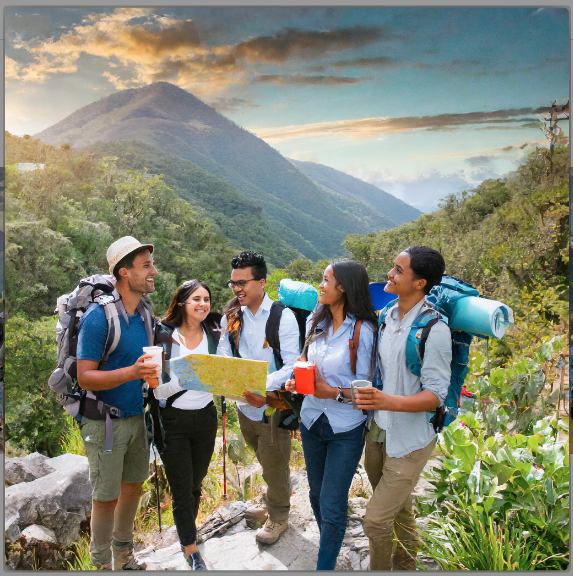
Introducing friends to the wonders of the backcountry can be a rewarding experience, but it requires more than just hiking expertise. Successful group hiking trips demand a combination of outdoor skills and essential interpersonal abilities. Josh Cole, the Washington program director for Outward Bound’s Northwest School, shares his insights on ensuring a safe and enjoyable adventure for both seasoned hikers and their novice companions.
- Pick the Right Objective:
Choosing the right hiking route is crucial when leading a group of newbies. Opt for trails that offer a strong reward-to-effort ratio—scenic views, refreshing swimming holes, and manageable distances. Avoid pushing inexperienced hikers too hard, as it might lead to frustration. Flexibility is key, so have alternative plans in mind to accommodate varying skill levels within the group.
- Don’t Neglect Preparation:
Before embarking on the journey, gather your group to discuss the plan and expectations. Check everyone’s gear to avoid unpleasant surprises, such as insufficiently warm sleeping bags. Always carry extra layers and encourage your friends to do the same. Adequate preparation ensures a smoother and more enjoyable hiking experience.
- Size it Right:
Keep your group size manageable, ideally five or fewer people. This allows for better morale management and ensures you can keep track of individual needs. Consider including another experienced hiker to share responsibilities and contribute to group tasks like navigation and first aid.
- Equality is Key:
Distribute group gear and chores based on individual aptitude rather than aiming for numeric equality. Recognize that some participants may excel at certain tasks, such as cooking or carrying heavier loads. Providing everyone with a chance to explore different responsibilities fosters a sense of equality and shared contribution.
- Establish Your Leadership:
Effective leadership involves more than giving orders. Explain the reasons behind decisions to engage others in the decision-making process. Encourage participants to develop essential skills by understanding the ‘whys’ of outdoor practices. This approach not only enhances their time in nature but also cultivates them into competent hiking partners.
- Check In Often:
Regularly assess the well-being of your group members. Ask about their experience, challenges, and adjust responsibilities accordingly. Address concerns promptly, and take the time to speak with individuals privately if they seem distant or silent. A well-timed snack break can be a simple yet effective way to lift everyone’s spirits.
- Let Them Fail… Sometimes:
In non-critical situations, allow newcomers to make mistakes. Whether it’s pitching tents or other low-stakes tasks, trial and error serves as a valuable teacher. Embracing the learning curve helps build confidence and resilience among new hikers.
- Don’t Let Them Fail… Sometimes:
Conduct small skills clinics to address common concerns, such as hygiene or handling late-night bathroom breaks. Provide instructional talks to demystify intimidating activities like wilderness restroom etiquette. These opportunities not only contribute to the group’s comfort but also offer valuable breaks during the hike.
Conclusion:
Leading a group hiking trip involves more than showcasing outdoor expertise—it requires adept interpersonal skills. By incorporating these tips from Josh Cole, you can create a positive and enriching experience for both seasoned hikers and their newfound outdoor companions. Nurturing a supportive and inclusive environment ensures that everyone, regardless of experience level, can enjoy the wonders of the backcountry.