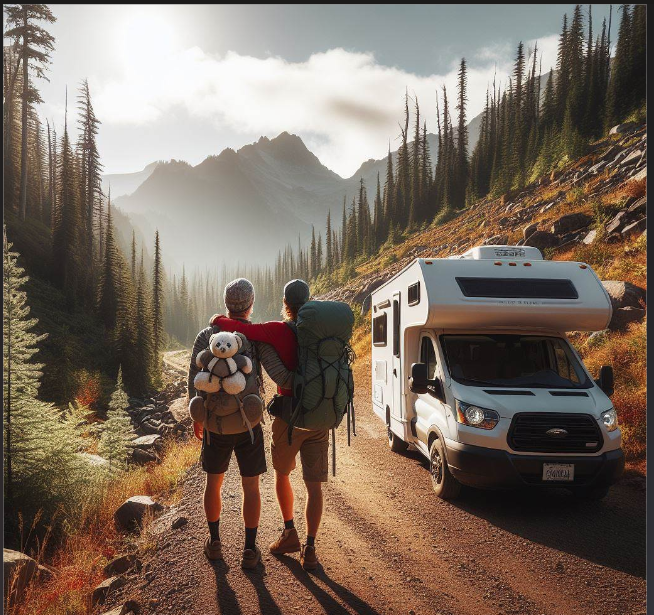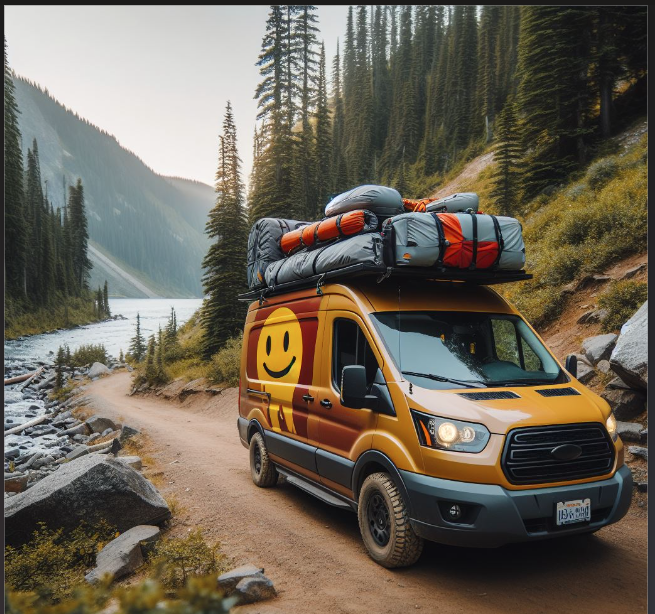
Exploring the idea of having a partner follow along the trail in a campervan or similar can be an enriching experience. Planning to hike the CA section of the PCT within the next 5 years and considering this option, my wife and I have discussed the practicality of it. The benefits include resupply convenience and the opportunity to spend quality time together without enduring months of separation. Despite the potential advantages, it’s crucial to consider unexpected trail-related issues beyond the obvious expenses and mechanical concerns with the travel vehicle.
Observing other hikers who have employed this strategy on various trails, I came across interesting approaches. On the AT, a hiker yo-yoed with his car, driving to resupply points and hiking back to continue, creating a unique journey from Amicalola to Baxter. Reflecting on my own experience hiking the AT in the late ’90s with my dad while my mom followed in a camper, the built-in support and added perks made the adventure more enjoyable, without significantly affecting the trail duration.
Encountering couples who successfully implemented this approach, it became apparent that the non-hiking partner’s affinity for van life and ability to find independent activities during the hiker’s multi-day hikes were crucial. Active non-hikers engaged in mountain biking and trail magic, enhancing the experience for both partners. However, it’s essential for the hiking partner to actively participate in town activities to integrate well into trail communities.
Sharing a story from the AZT, a hiker’s wife followed him for six weeks in a camper, enabling him to slackpack between parking spots. This arrangement was well-received on the trail, showcasing the potential success of such a partnership.
Despite the apparent benefits, there are downsides to consider, such as a potential lack of spontaneity and limitations on the hiker’s social interactions with fellow hikers. An alternative suggestion involves having the partner fly out to meet the hiker in specific towns, providing a balance between support and independence.
Drawing insights from others who have pursued similar journeys, it’s crucial to address the non-hiking partner’s activities and interests during the hiker’s daily pursuits. Some engage in remote work, creative projects, or documenting the trail experience through various mediums, ensuring a fulfilling experience for both partners.
While considering this option, it’s also important to factor in the financial aspect, as extended time on the road can become expensive. Despite the potential challenges, thoughtful planning and open communication can contribute to a successful and rewarding shared adventure along the trail.
Embarking on a long-distance hike, especially on iconic trails like the PCT, is a significant undertaking that often involves thoughtful planning and consideration, especially if a partner plans to follow along in a campervan. The prospect of having a supportive companion on the journey is undoubtedly appealing, bringing both logistical advantages and the chance to share the experience. Here are some insights and considerations based on experiences shared by fellow hikers:
1. Logistics and Benefits:
- Having a partner follow in a campervan can be advantageous for resupplying and spending quality time together without long separations.
- Supportive partners often engage in trail magic or provide rides for fellow hikers, contributing positively to the hiking community.
2. Personal Experiences:
- Instances of hikers, such as a father-son duo on the AT, or a couple on the AZT, highlight the positive impact of having a support vehicle. The availability of a camper provides built-in support, treats, and the comfort of exploring beyond trail towns.
- Active non-hiking partners who enjoy van life and find ways to stay occupied during the hiker’s journey seem to make this arrangement work well.
3. Considerations for the Non-Hiking Partner:
- The success of this arrangement may depend on the non-hiking partner’s ability to find activities during the 3-5 days of separation and engage in hobbies or trail magic to pass the time.
- Lack of spontaneity and potential difficulty integrating into trail communities might be downsides to consider.
4. Trail Sections and Meeting Points:
- Suggestions include exploring specific sections of the PCT where road access is more feasible, with the desert portion and Oregon mentioned as potential areas.
- Equestrians often follow this approach, with mapped meeting points along the trail for horses and riders.
5. Supported Hikes and Fastest Known Times (FKT):
- This method is known as a supported hike, and it’s common among some FKT aspirants.
- Satellite tracking is crucial for maintaining communication and delivering essential supplies efficiently.
6. Considerations for the Supportive Partner:
- It’s essential for the partner driving the vehicle to have activities or a job that can be done remotely to fill the considerable downtime while the hiker is on the trail.
- Engaging in creative projects, such as writing, artwork, coding, or even creating a documentary, can make the journey more meaningful for both partners.
7. Financial Considerations:
- The financial aspect of extended travel can be significant, and it’s essential to plan for expenses, especially if the partner plans to be on the road for an extended period.
8. Challenges and Solutions:
- Potential challenges include loneliness for the non-hiking partner, and it’s crucial to find activities or hobbies to stay occupied.
- Flexibility in the route, such as jumping around to avoid obstacles like snow and fires, can enhance the overall experience.
9. Balancing Family Needs:
- In cases where the partner has young children, it’s vital to plan for their well-being and consider activities that can involve the whole family.
Ultimately, the decision to have a partner follow along in a campervan involves careful consideration of logistical, personal, and financial factors. Each individual’s preferences, adaptability, and willingness to embrace the challenges of such a journey play a significant role in determining the success and enjoyment of the experience.