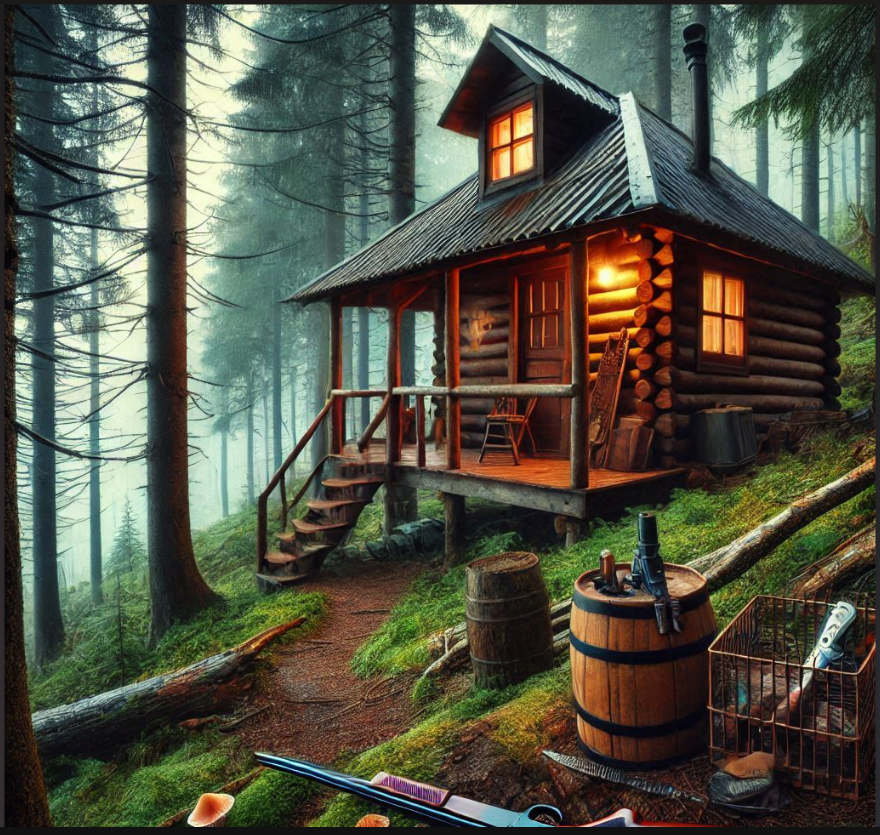
Owning a cabin in a remote, wooded area can be a dream come true, but it also comes with the very real risk of vandals, thieves, and general mischief-makers. If you’re looking to protect your property without turning it into a fortified bunker (because, let’s be honest, you’re not trying to be the next Fort Knox), here’s a combination of practical advice and realistic deterrents:
1. Keep It Low-Key—Less is More
- Don’t Make It Look Like a Treasure Chest: The more valuable the cabin looks, the more likely it’ll attract unwanted attention. Keep it looking like a hunting camp—no flat-screen TVs, fancy furniture, or shiny new gear.
- Nothing Valuable Inside: Take what you need when you visit, but don’t leave anything you can’t afford to lose. Remember: If it’s not there, they can’t steal it.
- Temporary Gear Storage: If you have equipment you want to leave on-site, consider a small, locked cargo container or a hidden storage area. Keep everything tucked away and minimal inside the cabin.
2. Surveillance—The “We’re Watching You” Approach
- Hidden Game Cameras: Place a few motion-activated game cameras on your property, but make sure some of them are visible. If would-be trespassers see one, they may assume you have more—and you probably do.
- Cellular Cameras for Remote Access: If your area has cell service, install a few cellular game cameras. This way, you can get real-time alerts and check in remotely. If not, at least the cops might have some footage to work with.
- Fake Cameras: Consider a decoy camera or two. Add signs like “Property Under Surveillance” to confuse potential intruders.
3. Lights, Motion Detectors, and Fake Outfits
- Motion-Activated Lights: These are your best friend. You don’t need lights on all night—just ones that go off when someone gets near. Bonus points if you can wire them so the lights inside turn on when triggered outside (keeps things creepy).
- Fake Security Signs: A few “No Trespassing” signs won’t hurt, but don’t go overboard. Nothing screams “I have valuable stuff!” more than a dozen aggressive signs. Keep it simple, and maybe add a sign saying something like “This Property is Monitored” (just to mess with the curious folks).
4. Fortify with Subtlety (and a Little Creative Genius)
- Barred Windows & Reinforced Doors: If you’re serious about security, a few reinforced windows and a heavy-duty door are worth considering. But remember, bars on the windows might scream “there’s something valuable inside,” so balance it with a few visible cameras to keep potential vandals guessing.
- Pressure Mats and Alarms: For a more “high-tech” approach, install pressure mats inside the cabin or at all entry points. If someone steps on one, the mat triggers an alarm. Sure, it’s a bit of a pain to set up, but it might be worth it for peace of mind.
5. Neighborly Love (and Bribery)
- Get Friendly with Neighbors: Even if your neighbors are a few miles away, it’s worth befriending them. Local eyes and ears are invaluable when it comes to catching odd vehicles or strangers around your place. Maybe even toss in a few steaks or a six-pack to keep the goodwill flowing.
- Game Warden Connection: Befriend the local game warden or forest service folks—they’re often the first to notice unusual activity in remote areas and can keep an eye on things for you.
6. Deceptive Measures—Fool the Thieves
- Old, Broken Cameras: Drill holes in a few old, broken cameras and attach cheap antennas. They look legit, but they won’t cost you much. Place them in visible spots to add to the illusion that you’re constantly monitoring your cabin.
- Board Up When You’re Gone: If you’re not planning to visit for a while, consider boarding up windows and doors with plywood. Just remember to use screws that aren’t easy to remove. But remember—if someone’s determined to break in, they’ll probably find a way. So, the goal is to make it harder, not impossible.
7. The Empty Cabin Approach
- Leave the Cabin Unlocked: Yes, you read that right. If you leave it unlocked, most people won’t bother trying to break in. The logic here is that people tend to mess up places more if they have to force their way in. But, if you do leave it unlocked, make sure it’s completely empty, and you might avoid the worst of the damage.
- Leave Minimal Supplies: If you want to leave something for the occasional visitor (or squatter), a few cans of food, some firewood, and maybe a sack of flour will suffice. Just don’t go overboard—otherwise, you’ll end up with someone using your bed for a nap.
8. Emergency Plans and Backups
- Alarm Systems (Optional): If you have electricity (lucky you), consider a basic alarm system with battery backup. If not, you can still install motion sensors linked to battery-operated alarms that sound when triggered.
- Backup Stove Pipe: If you use a wood stove, always keep a spare stove pipe and wood close by. You’ll need it for when you inevitably have to rebuild after a long winter’s neglect. Also, good for quick repairs after an unexpected intruder makes a mess.
9. Realistic Security—Don’t Overdo It
- Limit How Hard You “Fortify”: Over-the-top security measures like steel walls, iron gates, and guard dogs (that might attack you when you get home) can draw unwanted attention. A simple but effective deterrent strategy will often work best.
- Consider a “Ghost Wall” for Valuables: If you’re hiding valuable equipment, you might want to invest in a shipping container or a clever hidden compartment in the walls. A simple decoy structure can often keep prying eyes from seeing anything valuable at all.
10. The Reality Check
- Theft Happens (Sometimes): If someone wants to break in and steal, they’ll find a way. Unfortunately, there’s no 100% foolproof system. Your best bet is to keep things secure and make it as inconvenient as possible for them. But be ready to accept that some damage may happen—just don’t leave things you’ll miss too much.
- Keep Track of Everything: Take photos of valuable items and keep receipts for anything you leave at the cabin. That way, if something goes missing, you can give law enforcement at least a fighting chance of recovering it.
Bottom Line:
Securing a remote cabin comes down to making it look less like a target while being smart about what you leave behind. With a little creativity and some careful planning, you can deter most troublemakers without turning your cabin into a high-security fortress. Stay vigilant, make use of hidden cameras, and if all else fails, keep things minimal. If someone’s determined to steal your firewood, well, just let them have it—it’s probably not worth getting stressed about.