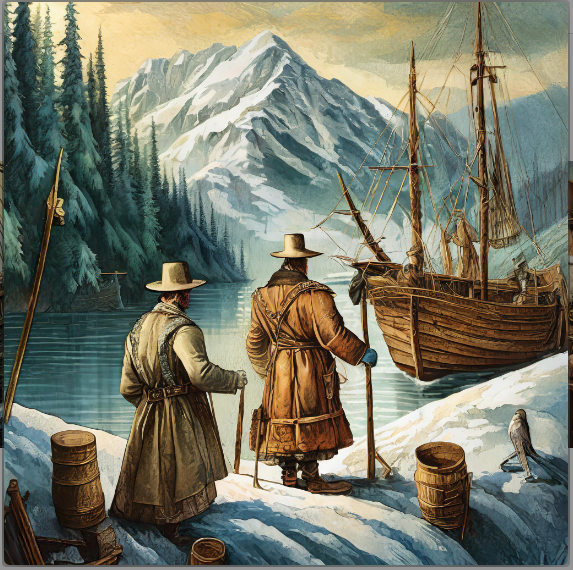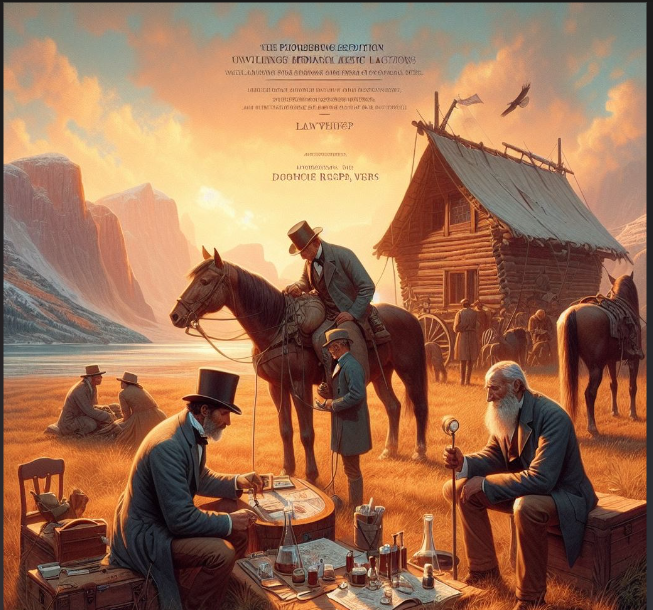
The Klondike Gold Rush of 1897-1898 captivated the hearts and minds of thousands of ambitious individuals, lured by the promise of gold in the remote Yukon Territory. However, as these stampedes set out for the Klondike, they found themselves facing numerous challenges, unprepared for the harsh realities of the journey. The Canadian government, recognizing the potential for mass starvation in the inaccessible Yukon, mandated that every stampeder carry a year’s supply of goods. This comprehensive article explores the reasons behind the necessity for a “ton of goods,” the challenges of transporting these supplies, guarding against theft, and a detailed list of essential items provided by the Northern Pacific Railroad Company.
The Origins of the “Ton of Goods”: As the first gold ship arrived in San Francisco, concerns arose about the impending influx of stampedes reaching Dawson in the fall. With a lengthy supply chain stretching from west coast ports like San Francisco or Seattle along the Yukon River, delivering extra food to Dawson before winter presented a logistical challenge. To mitigate the risk of mass starvation, the Canadian government determined that each person heading to Dawson needed to carry a year’s supply of three pounds of food per day, totaling at least 1,095 pounds, or just over half a ton. Prospectors often doubled this load with necessary clothes and equipment, earning the term “ton of goods.” Purchasing these items in the U.S. subjected stampedes to customs duties collected by the North-West Mounted Police, amounting to a staggering $174,000 between February and June of 1898.
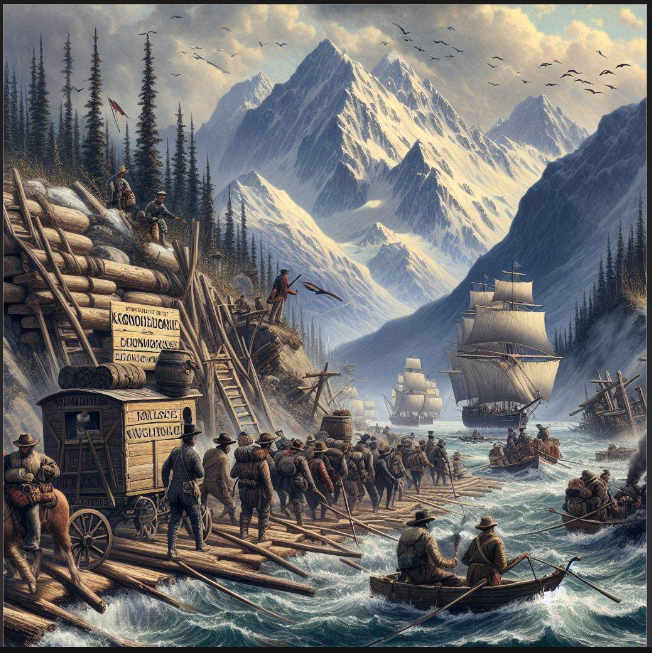
Transporting a Ton of Goods: Stampedes faced the arduous task of transporting their ton of goods from Skagway or Dyea to Lake Bennett. Those who opted to carry their own supplies had to choose between a lighter pack and more trips or a heavier pack and fewer trips. The challenging terrain and the absence of modern transportation meant some stampeders walked nearly 1,000 miles to cover the 33 miles from Dyea to Lake Bennett. Initially, local packers were hired to assist, but as the rush progressed, options expanded to include non-native packers, pack animals, tramways, and eventually a railroad.
Guarding Against Theft: Protecting one’s ton of supplies along the treacherous trails presented another challenge. While an honor code generally kept supplies safe, instances of thievery were not uncommon. Some stampeders hired packers to move their goods in a single day, ensuring it stayed together and safe. However, this required a considerable investment in labor. Some stampeders may have used their money to buy assistance in guarding their supplies. Despite these precautions, thefts did occur, leading to makeshift courts and punishments along the trail.
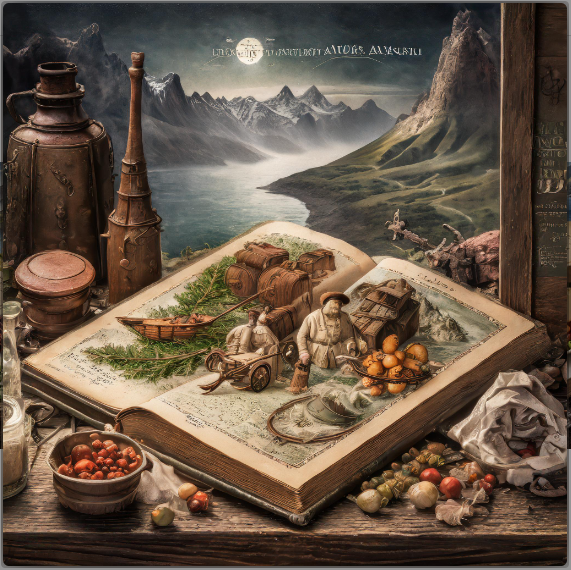
Supply List for the Klondike Journey: The Northern Pacific Railroad Company’s published supply list from the Chicago Record’s Book for Gold Seekers in 1897 provides valuable insights into the essentials required for the Klondike journey. The extensive list covers food items, cooking and camping equipment, clothing, tools, and even medical supplies. It reflects the comprehensive preparation needed for the challenging expedition into the Yukon wilderness.
During the 1897 Klondike Gold Rush, prospectors and fortune seekers flocked to the Yukon Territory in Canada in search of gold. To survive and thrive in the harsh and remote conditions of the Klondike region, individuals needed a ton of supplies to sustain themselves during the journey and the arduous gold mining process. Here’s a list of essential supplies a prospector might have needed during the 1897 gold rush:
- Clothing:
- Heavy-duty and warm clothing, including wool coats, jackets, pants, and sturdy boots to endure the cold temperatures.
- Gloves and hats for protection against the elements.
- Waterproof gear, as the climate in the Yukon could be wet and cold.
- Shelter and Bedding:
- Tents or portable cabins for shelter from the harsh weather.
- Bedrolls or blankets for warmth during the freezing nights.
- Food:
- Non-perishable food items such as dried beans, rice, flour, salted meat, canned goods, and hardtack (a type of dry biscuit).
- Coffee, tea, and sugar for energy and warmth.
- Cooking utensils, pots, and pans for preparing meals over open fires.
- Mining Equipment:
- Gold pans for prospecting in rivers and streams.
- Shovels, picks, and other digging tools for extracting gold from the ground.
- Sluice boxes for separating gold from gravel and sediment.
- Gold scales and containers for measuring and storing precious metal.
- Transportation:
- Pack animals, such as horses or mules, for carrying supplies and equipment.
- Sleds or sled dogs during the winter months when rivers were frozen.
- Medical Supplies:
- First aid kits with bandages, antiseptics, and basic medical tools.
- Medications for common ailments and illnesses.
- Tools and Equipment:
- Axes, saws, and other tools for building shelters and extracting resources.
- Lanterns, candles, and matches for lighting during dark nights.
- Communication and Navigation:
- Maps and compasses for navigating through the wilderness.
- Communication tools like whistles or signal flags for emergencies.
- Personal Items:
- Personal hygiene items, including soap, toothpaste, and towels.
- Durable and warm clothing for the extreme conditions.
- Financial Resources:
- Money or valuables for purchasing additional supplies along the way.
The journey to the Klondike and the challenges of gold mining required careful planning and the accumulation of a wide range of supplies to ensure survival and success in the pursuit of gold.
Conclusion: The Klondike Gold Rush of 1897-1898 was an era defined by dreams of striking it rich and the harsh realities of survival in the unforgiving northern wilderness. The necessity of a ton of goods, the challenges of transporting supplies, and the efforts to guard against theft all contributed to the unique and arduous nature of this historical journey. The detailed supply list highlights the meticulous planning required for a successful Klondike expedition, offering a glimpse into the struggles and triumphs of those who sought fortune in the Yukon Territory.