Living off the grid or in rural areas offers a serene escape from the hustle and bustle of urban life. But before you can settle into your new homestead, there are a few practical matters to address, such as establishing a mailing address, setting up a mailbox, and ensuring your dwelling meets the standards for habitation set by your local county.
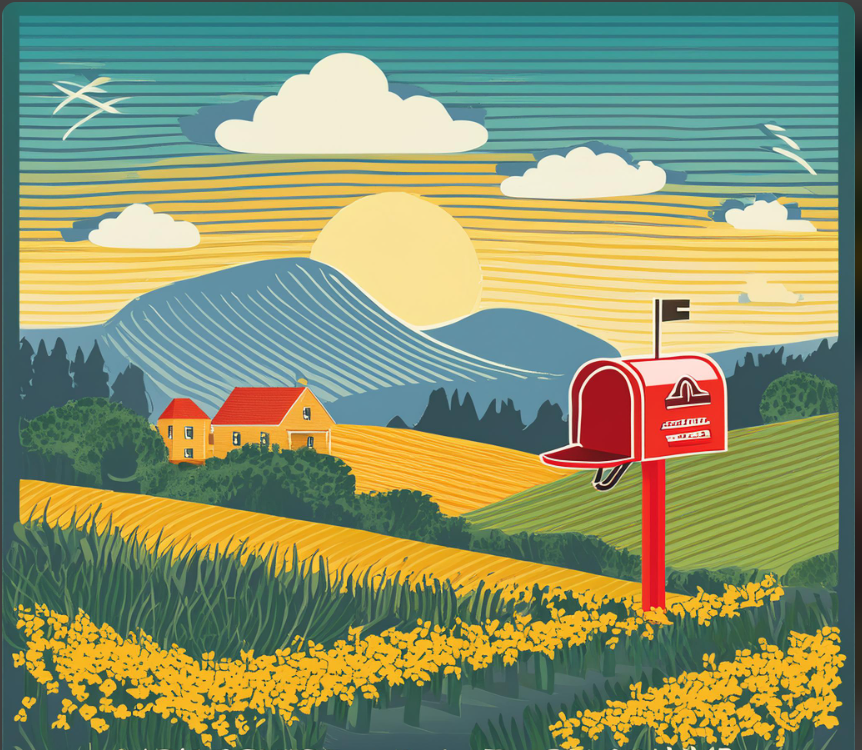
Typically, your county government is responsible for assigning 911 addresses, which serve as your official mailing address. Your first step in this process is to contact your county office to initiate the creation of your address. Once your address is established, it should be forwarded to the United States Postal Service (USPS) district “Address Management System” for inclusion in their database. It’s essential to communicate with your local Postmaster or Delivery Supervisor to determine the appropriate location for installing a mailbox on your property.
In the interim, while waiting for your official address to be established, renting a PO Box at your local USPS facility can provide a secure place to receive mail.
Before your property can be deemed habitable, it must be certified by your county. This certification involves ensuring that your dwelling meets certain standards. These standards typically include requirements outlined in the American National Standards Institute Standard Z765-1996.
According to ANSI Standard Z765-1996, finished area refers to enclosed spaces suitable for year-round use, with walls, floors, and ceilings similar to the rest of the house. Finished square footage is calculated based on above-grade and below-grade areas. Essential criteria for habitable spaces include:
- Permanently Installed Heat: A continuous power source for heating, such as electricity, natural gas, or permanently installed propane tanks or heating oil, is required. Through-the-wall heating units and permanently installed baseboard heaters meet this requirement.
- Finished Walls and Ceilings: Walls and ceilings must be finished.
- Covered Floors: Floors must be completely covered with an installed covering such as carpet, vinyl, wood, tile, laminate, or stamped or stained concrete.
- Accessibility: Finished space must be directly accessible from the rest of the living area, with permanent stairs or direct access.
- Ceiling Height: Ceilings must be at least 7 feet high, with exceptions for areas under beams, ducts, and other obstructions.
- Open Areas: Open areas with lofted or two-story ceilings are excluded from gross living area calculations unless they have floors on the upper level.
It’s crucial to ensure your dwelling meets these standards before seeking certification from your county. Once certified, you can approach the post office to determine if your property qualifies for mail delivery and to identify the appropriate location for your mailbox, which may be at a considerable distance from your property to ensure safe access for rural carriers.
In the interim, while waiting for your official address to be established and your rural property to meet habitation standards, renting a post office box (PO Box) at your local USPS facility can provide a secure and reliable way to receive mail. Additionally, commercial options like UPS Store mailboxes or services offered by organizations such as the Escapees RV Club can offer mail forwarding solutions, ensuring that you have a consistent mailing address regardless of your location. These services can be particularly useful for those living off the grid or in remote areas where traditional mail delivery may be challenging.
Residential Address vs. Postal Address: Understanding the Key Differences
Navigating the world of mailing addresses can be confusing, especially when distinguishing between residential and postal addresses. While they may seem interchangeable, there are distinct variations between the two that impact how mail is received and managed.
Residential Address: Defining Home and Living Spaces
A residential address typically refers to the location where an individual resides for a significant portion of the year, usually at least 183 days. It’s synonymous with the term “home address,” encompassing the physical space where personal affairs are conducted and where visitors are welcomed. However, the concept of “home” can be subjective, with some individuals considering multiple locations as their home, such as a parent’s house or a primary residence.
Postal Address: The Broad Spectrum of Mailing Locations
In contrast, a postal address encompasses various types of addresses, including residential addresses, physical addresses, mailing addresses, and correspondence addresses. While all residential addresses can be used for postal purposes, not all postal addresses necessarily represent residential living spaces. For example, a postal address can include a PO Box, a commercial office address, or a virtual address used for business purposes.
Residential Address Use Cases and Characteristics
- Personal Residence: A residential address serves as the primary location for living and conducting personal activities.
- Visitor Information: It’s the address provided to individuals intending to visit or correspond with the resident.
- Mail Receipt: In cases where mail is delivered directly to the residence, the residential address doubles as the mailing address.
- Habitation Criteria: To qualify as a residential address, individuals must meet specific residency requirements, such as residing at the location for a minimum duration each year.
Postal Address Functions and Flexibility
- Mail Reception: A postal address encompasses all locations where mail is received, including residential, commercial, and virtual addresses.
- Address Variety: It includes a range of address types, catering to diverse needs such as privacy, business operations, and correspondence management.
- Flexibility: Unlike residential addresses, postal addresses offer flexibility in terms of location and purpose, accommodating various mailing preferences and logistical requirements.
Why Consider a Separate Mailing Address?
Establishing a distinct mailing address, separate from the residential address, can be advantageous for several reasons:
- Privacy: Maintaining privacy and separating personal and business correspondence.
- Business Operations: Facilitating business registration, correspondence, and professional image.
- Logistical Efficiency: Streamlining mail management and delivery processes, especially for businesses with multiple locations or remote operations.
Navigating Address Classification and Shipping Logistics
Understanding address classification, whether residential or commercial, is essential for efficient shipping and mail delivery:
- Residential Address Challenges: Factors like location density and database inclusion can affect mail delivery to residential addresses, potentially requiring alternative solutions like community mailboxes or PO Boxes.
- Database Management: Ensuring residential addresses are accurately recorded in postal databases is crucial for seamless mail delivery and avoiding logistical issues.
Conclusion
While residential and postal addresses share some similarities, they serve distinct purposes and have unique characteristics. Navigating the complexities of address classification and mail management requires awareness of these differences and strategic considerations for optimizing mail delivery and correspondence handling. Whether it’s establishing a separate mailing address for privacy or ensuring accurate database records for efficient mail delivery, understanding these distinctions is key to effective address management in both personal and professional contexts.
In summary, establishing a mailing address and mailbox for a rural or off-grid property involves coordination between your county government, USPS, and adherence to habitation standards. While the process may seem involved, following these steps ensures a smooth transition to your new living space in the countryside.