Managing medications while long-distance hiking, especially for international hikers, involves careful planning and consideration of various factors such as resupply, customs limits, and transportation regulations. Here are some key points to address the challenges mentioned:
1. International Customs Limits:
- Shipping Medications:
- Most countries have restrictions on shipping medications internationally. The 3-month supply rule is common, and it’s crucial to follow the specific regulations of the destination country.
- Ensure that the medication is in its original packaging, accompanied by a prescription from a healthcare professional.
2. Flying with Medications:
- Hand Luggage Rules:
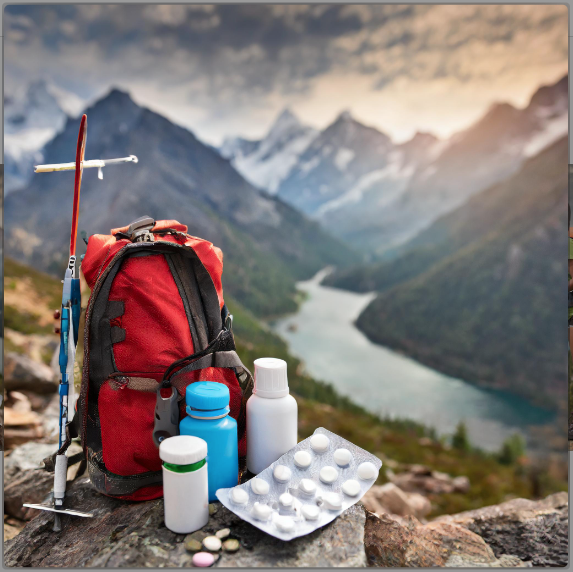
- Some countries, like the U.S., allow a 90-day supply in hand luggage. The medication should be in its original packaging with a prescription.
- It’s essential to comply with Transportation Security Administration (TSA) regulations and be prepared for potential inspections.
3. Resupply Strategies:
- Trail Towns and Infusion Clinics:
- Plan resupply points in larger towns or cities along the trail where there are pharmacies or medical facilities.
- Research infusion clinics or medical facilities in advance, especially for medications that require administration by a healthcare professional.
4. Storage and Refrigeration:
- Cooling Solutions:
- For medications that require refrigeration, invest in cooling wallets or containers with gel that can maintain a suitable temperature for a certain period.
- Consider shipping medications with cooling solutions to trail towns in advance.

5. Hiking with Chronic Conditions:
- Communication with Healthcare Providers:
- Discuss your long-distance hiking plans with your healthcare provider well in advance.
- Seek advice on potential adjustments to medication schedules or alternative forms of medication suitable for hiking conditions.
6. Community Support:
- Trail Angels and Fellow Hikers:
- Connect with local trail communities and trail angels who might be willing to assist with receiving and holding medication shipments.
- Share experiences and advice with fellow hikers who may have faced similar challenges.
7. Insurance and Medication Access:
- Traveler’s Insurance:
- Explore traveler’s insurance options that may cover medication expenses or emergency medical situations.
- Research mail-order pharmacies that can deliver medications to designated trail locations.
8. Contingency Planning:
- Emergency Preparedness:
- Develop contingency plans in case of unexpected delays or loss of medication shipments.
- Carry extra copies of prescriptions, relevant medical records, and contact information for healthcare providers.

9. Support from Family and Friends:
- Coordination with Family:
- Work closely with family or friends who can assist with shipping medications and act as points of contact for emergency situations.
10. Regular Check-ins:
- Health Monitoring:
- Regularly check in with healthcare providers to provide updates on your health status and discuss any necessary adjustments to the medication plan.
Conclusion:
International hikers with chronic conditions must navigate a complex web of regulations and logistics to ensure a continuous and safe supply of medications during long-distance hikes. Open communication with healthcare providers, thorough research on trail towns, and collaboration with supportive trail communities are key elements for a successful and healthy hiking experience.