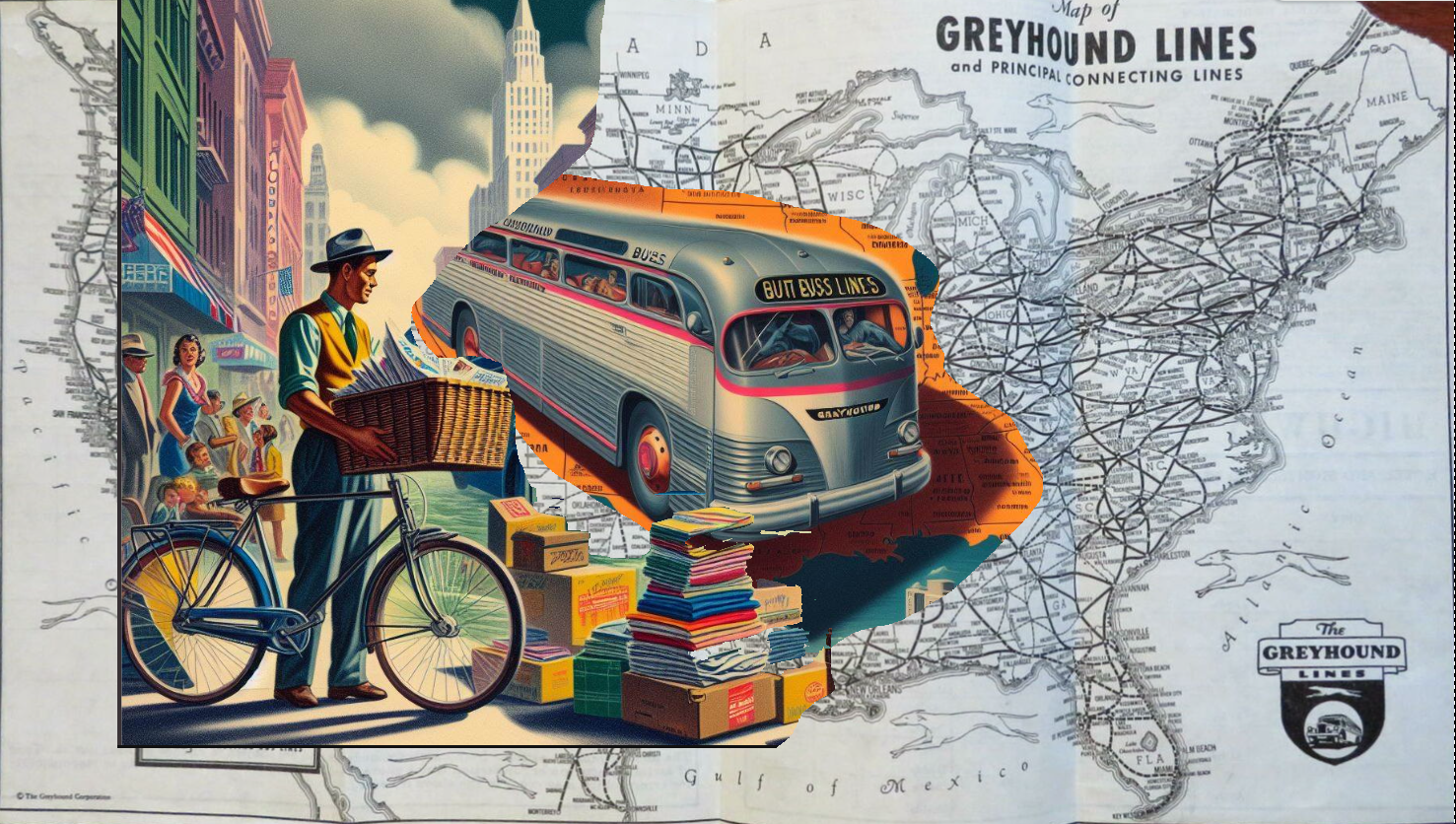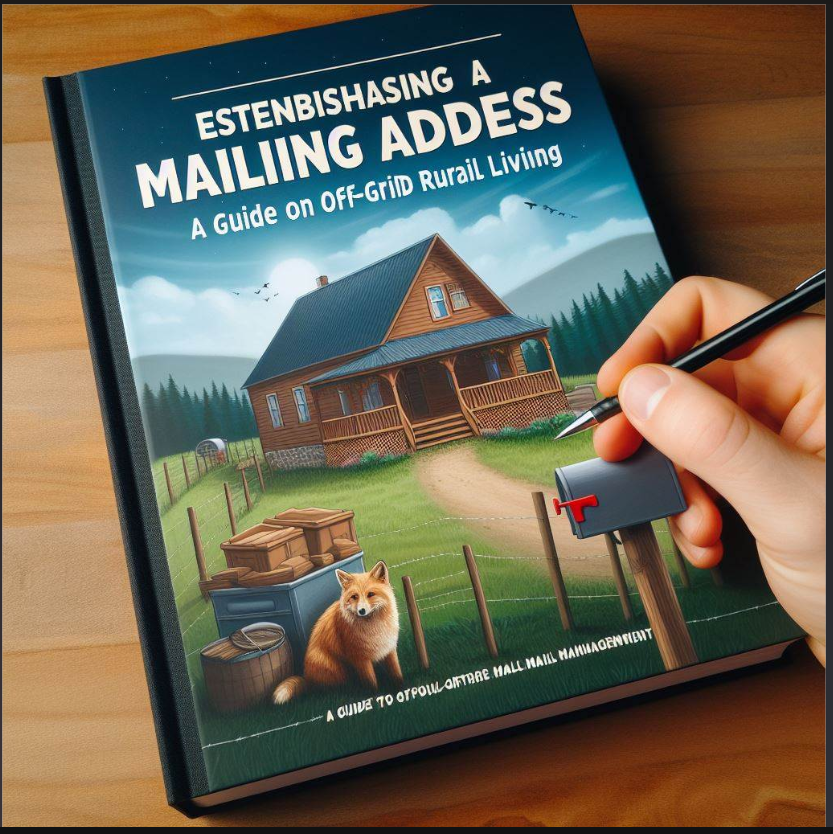
Mailing care packages and resupplying effectively are crucial aspects of planning for a long-distance hike like the Appalachian Trail (AT) or Pacific Crest Trail (PCT). Here’s a guide on mailing care packages, having packages sent to hotels, and restocking food for any long Trail hike:
Mailing Care Packages:
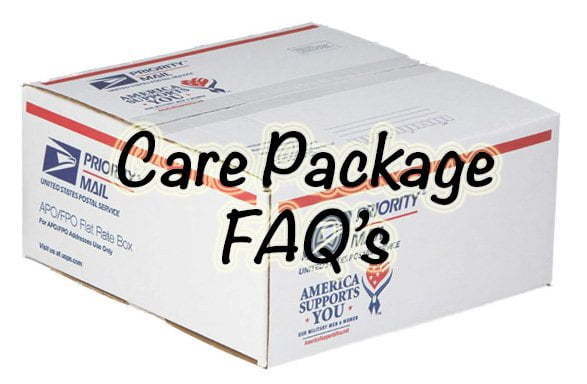
- Plan Ahead:
- Research the towns and post offices along the Trail where you might want to send care packages.
- Consider the distance between resupply points and estimate how much food you’ll need between each stop.
- Addressing Packages:
- Clearly label your packages with your name, estimated arrival date, and “Hold for AT hiker” to ensure they are held for you.
- Include a phone number in case the post office needs to contact you.
- Choose Lightweight and Nutrient-Dense Foods:
- Opt for lightweight, non-perishable, and nutrient-dense foods to maximize your energy intake without carrying excess weight.
- Resupply Points:
- Use established resupply points as much as possible. These points often have well-stocked stores where you can purchase the items you need without relying solely on mailed packages.
- Post Office Hours:
- Check the operating hours of post offices in the towns where you plan to send packages. Some offices may have limited hours or be closed on certain days.
- Shipping Schedule:
- Plan your shipping schedule carefully. It’s a good idea to send packages ahead of time to ensure they arrive when you need them.
USPS Free Shipping Supplies:
Consider Tyvek and Padded Flat rate envelopes for maximum space. The Tyvek and flat rate legal envelope can be handy for longer items up to 15 inch’s long, although on the diagonal you might find more than 15 inches depending on the thickness of your item.
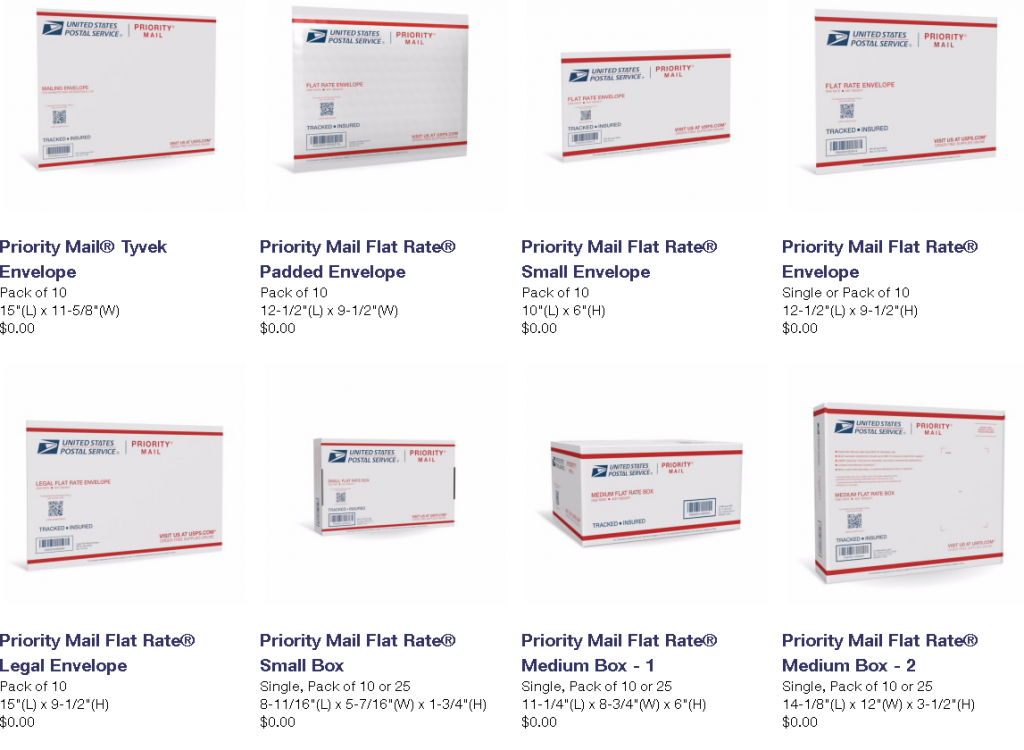
https://store.usps.com/store/results/free-shipping-supplies/shipping-supplies/
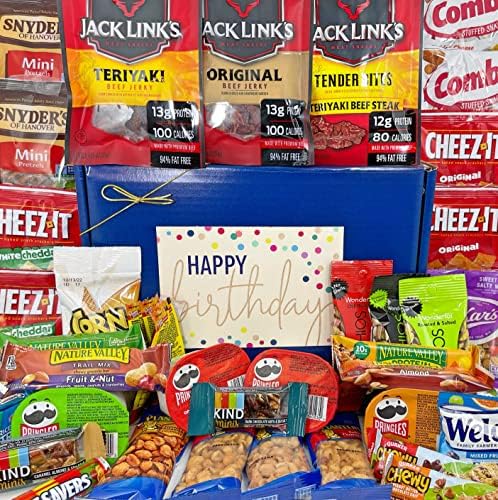
Having Packages Mailed to Hotels:
- Contact Hotels in Advance:
- Call or email hotels on your route to inquire about their policy on receiving packages for guests. Some hotels are more accommodating than others.
- Address Packages to Your Name:
- Address packages to yourself, c/o the hotel, with a note requesting the hotel to hold the package for your arrival.
- Provide Arrival Information:
- Inform the hotel about your expected arrival date and confirm that they can hold the package until you check in.
- Thank the Hotel Staff:
- Be courteous and appreciative of hotel staff for holding your package. Consider leaving a tip as a gesture of gratitude.
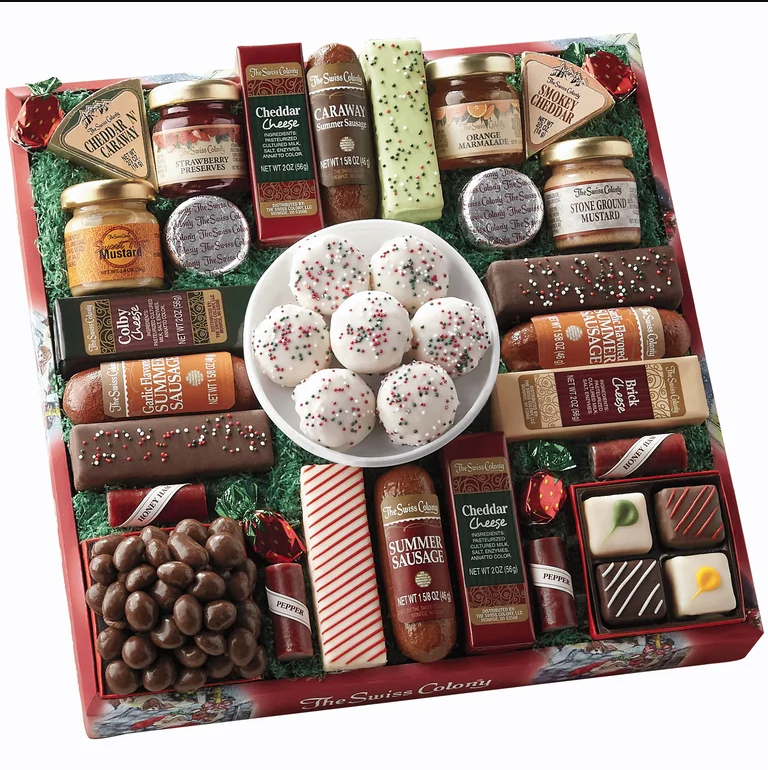
Restocking Food on the Trail:
- Resupply Points:
- Take advantage of the many resupply points along the Trail.
- Local Grocery Stores:
- Explore local grocery stores for fresh produce and a wider variety of food options. This can be a nice change from the standard trail fare.
- Trail Angels and Hostels:
- Some trail angels and hostels offer food for hikers. Keep an eye out for these opportunities to supplement your resupply.
- Food Drops with Friends/Family:
- Coordinate with friends or family to meet you at specific points with resupply packages, particularly if they are planning to join you at various intervals.
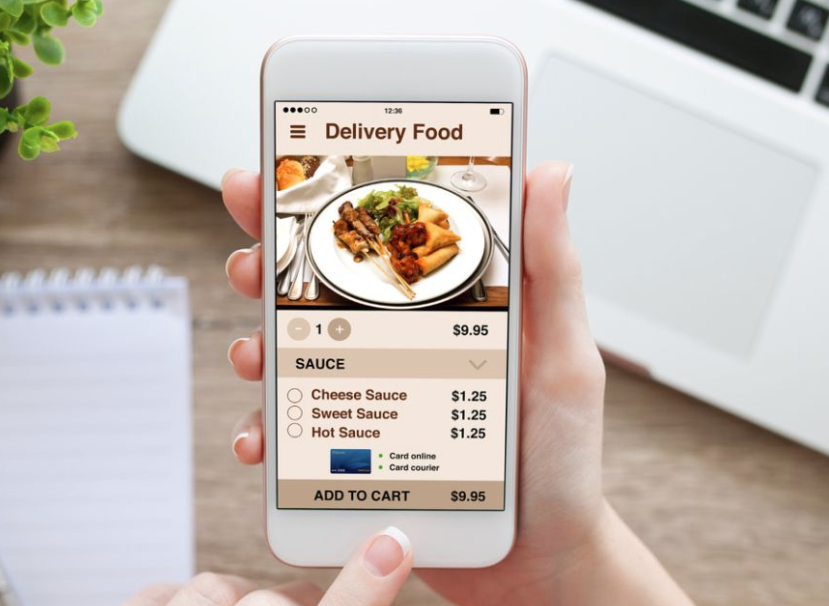
Online Food Delivery Industry: Uber Eats competitors guide:
- DoorDash: One of the largest food delivery services, operating in multiple countries, and offering a variety of cuisine options.
- Grubhub: A well-established platform that connects users with local restaurants, providing delivery and takeout services.
- Postmates: Acquired by Uber in 2020, Postmates continues to operate as a separate brand, offering food delivery as well as delivery for groceries, alcohol, and other goods.
- Instacart: Primarily known for grocery delivery, Instacart has expanded its services to include the delivery of prepared meals from local restaurants.
- Caviar: Acquired by DoorDash in 2019, Caviar focuses on premium food delivery from high-quality restaurants.
- Just Eat Takeaway (formerly Takeaway.com): A European-based platform that operates internationally, connecting users with local restaurants for food delivery.
- Zomato: Originally an Indian-based platform, Zomato has expanded its services globally, providing restaurant information, food delivery, and reviews.
- Swiggy: An Indian-based food delivery service, competing with Uber Eats and Zomato in the Indian market.
- Deliveroo: Operating in various countries, Deliveroo partners with local restaurants to offer food delivery services.
- Amazon Restaurants: Although Amazon Restaurants was discontinued in the U.S., Amazon continues to operate food delivery services through other channels in some regions.
- Chowbus: Specializing in Asian cuisine, Chowbus connects users with local restaurants offering a variety of Asian dishes.
- Seamless: Owned by Grubhub, Seamless operates as a food delivery platform, connecting users with local restaurants.
- Keep in mind that the availability of these services may vary by location, and new competitors may have entered the market since my last update. It’s advisable to check the current landscape for the most accurate information.
Remember that flexibility is key on a long-distance hike, and trail conditions, personal preferences, and unforeseen circumstances may necessitate adjustments to your resupply plan. Stay informed, be adaptable, and enjoy the incredible journey along the Trail!