Hiking and backpacking into remote areas can be a thrilling adventure, but staying connected becomes challenging when you’re off the cellular grid. Whether you’re exploring the wilderness solo or in a group, having reliable communication tools is essential for safety and coordination. In this article, we’ll explore some of the best off-grid mobile apps and devices for hiker-to-hiker communication.
Off-Grid Mobile Apps:
Mesh Networking Apps:
Mesh networking allows devices to communicate with each other directly, extending the range beyond traditional Bluetooth or Wi-Fi limits. Some off-grid apps employ mesh networking, creating a network of connected devices that can relay messages over longer distances.
Chat and Voice Apps:
Look for apps that offer chat or voice communication capabilities even in the absence of cellular coverage. These apps can be valuable for keeping in touch with fellow hikers, especially when distances are within a few hundred feet.
GPS and Map Integration:
The ability to share map coordinates and GPS locations can be crucial for navigation and meeting up with others. Seek apps that allow users to share their location in real-time, facilitating easier coordination during hikes.
Popular Off-Grid Communication Devices:
Satellite Communication Devices:
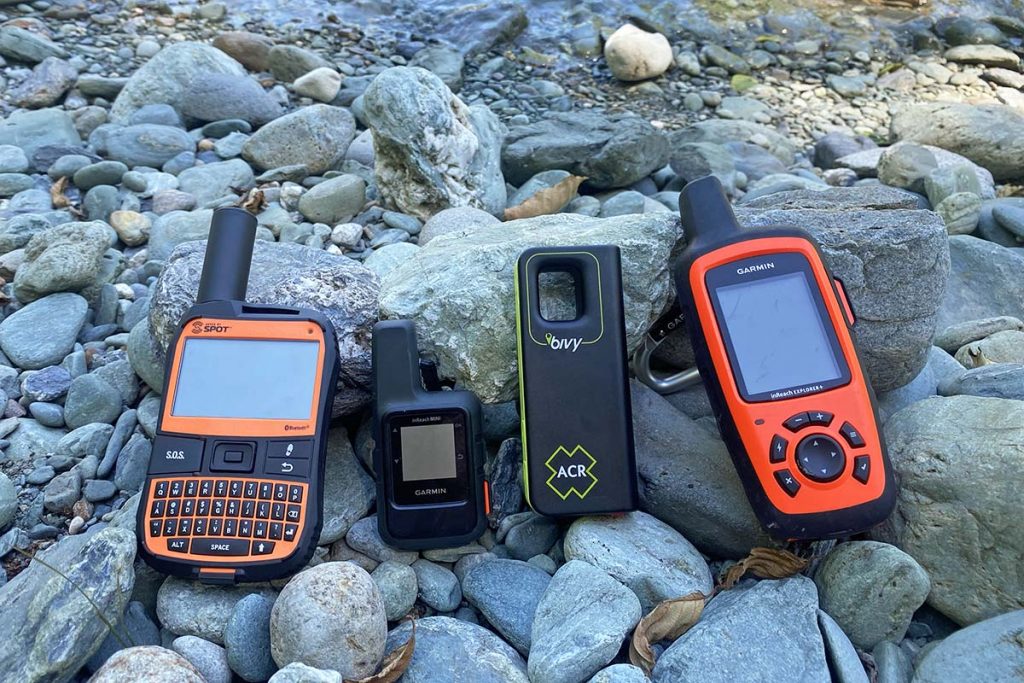
Satellite communication devices provide a reliable solution for off-grid communication. While some devices may come with a subscription fee, they offer the advantage of reaching beyond cellular coverage. Options include Garmin inReach Explorer+ and Bivy Stick, each with its own features and subscription plans.
Walkie Talkies:
While not an app, walkie talkies remain a viable option, especially for short-range communication. They might add to your pack weight, but their simplicity and effectiveness in direct communication make them a classic choice.
PLBs (Personal Locator Beacons):
PLBs are SOS-only devices that transmit distress signals to search and rescue services. Though they don’t offer continuous communication, they are invaluable in emergencies. Keep in mind that PLBs typically do not involve subscription fees.
HAM Radio:
For those willing to put in the effort, HAM radio can be a reliable means of communication, especially in areas where other options may not work. However, it requires knowledge of HAM radio operation and regulations.
User Recommendations:
Garmin inReach Explorer+:
Users recommend the Garmin inReach Explorer+ for its reliability and various subscription plans. The device also includes a $50k rescue insurance plan for added peace of mind.
Bivy Stick:
Despite some poor reviews, the Bivy Stick offers plan flexibility, allowing users to save costs with roll-over plan credits.
Zoleo:
Zoleo is praised for its affordability and plan flexibility, making it a cost-effective option for occasional or seasonal users.
iPhone with Satellite Texting:
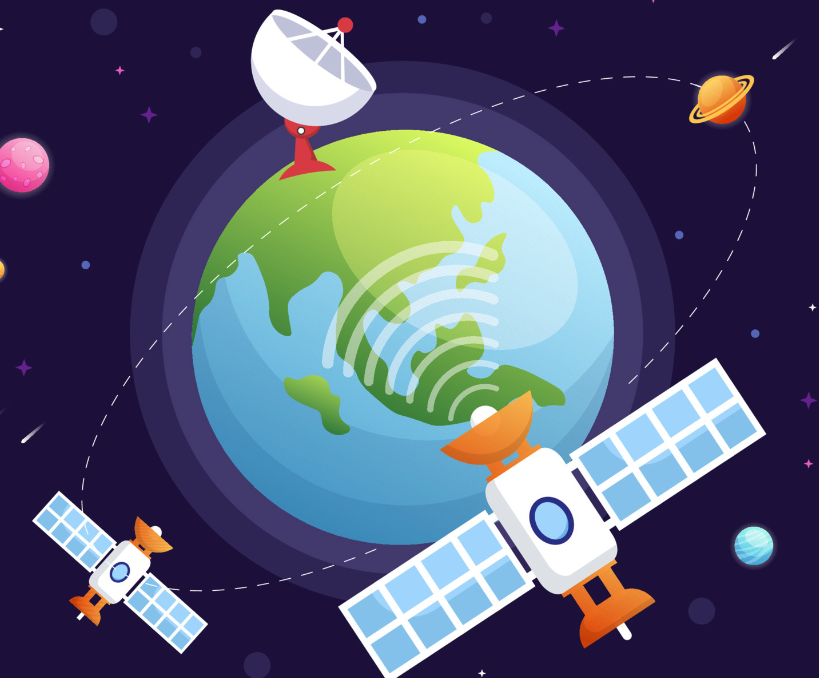
The iPhone 14 Pro, equipped with satellite communication capabilities, provides a convenient solution for road trips where cellular service might be unreliable. Apple’s satellite network will use the same bands used by most other satellite communication services, specifically the L-band and S-band frequencies. Apple confirmed this in this week’s announcement, noting, “When an iPhone user makes an Emergency SOS via satellite request, the message is received by one of Globalstar’s 24 satellites in low-earth orbit traveling at speeds of approximately 16,000 mph. The satellite then sends the message down to custom ground stations located at key points all over the world.” Emergency SOS via satellite is available in select European countries — specifically France, Germany, Ireland, and the U.K. The feature has had something of a slow rollout, but Europeans outside of the countries that have the feature now can expect to hear more in 2023. Apple doesn’t specifically say which countries will be getting support next year, but based on how important the company says Emergency SOS via satellite is, it seems likely to expect an even bigger expansion in the year to come.
Conclusion:
When venturing into the great outdoors, being prepared with off-grid communication tools is paramount. Whether it’s a reliable app for hiker-to-hiker communication or a satellite device for emergencies, the right choice depends on your specific needs and preferences. Always prioritize safety and consider the terrain and conditions of your adventure when selecting the best off-grid communication solution for your hiking journeys.