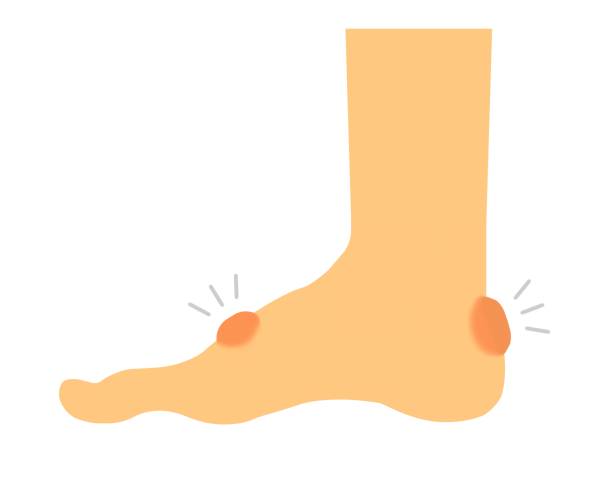
Hello fellow outdoor enthusiasts! Foot blisters are a common woe for many hikers and athletes, irrespective of their footwear choices or training regimens. In this comprehensive article, we will explore the various factors contributing to blisters, delve into prevention strategies, and discuss effective treatments to keep you on the trail without being sidelined by painful blisters.
The Quest for the Perfect Fit: The journey begins with the search for the ideal footwear. Our adventurer prefers Under Armour running shoes for their perfect fit, comfort, and support. Despite trying various options, blisters persist after approximately 30km/18 miles. The weightlifting background, with a bodyweight of 100kg/220lbs, raises the question of whether bodyweight plays a role in blister formation.

Expert Resources: The recommendation to explore the “Fixing Your Feet” book is echoed, emphasizing its role as a standard resource for foot care. It’s acknowledged that blisters vary, and what works for one may not work for another. Strategies such as switching shoes, experimenting with sock materials, utilizing taping techniques, and undergoing gait analysis are discussed.
Community Tips: A wealth of tips from the community includes stopping immediately if hotspots are felt, trying toe socks, maintaining short and well-filed toenails, and changing socks during long walks to reduce salt buildup. Different footwear preferences, like wider toe boxes, toe socks, and gaiters, are suggested for preventing blisters. The importance of addressing discomfort promptly is highlighted.
Dealing with Existing Blisters: The discussion extends to dealing with blisters during or after a hike. Insights are shared on draining blisters, differentiating between regular and blood blisters, and the use of products like Leukotape for prevention and treatment. Anecdotes from experienced hikers provide practical advice on managing blisters in the field, emphasizing cleanliness and proper care.
Causes of Blisters: Pressure, heat, and moisture are identified as the primary catalysts for blister formation. The article explores the debate between trail runners and boots, emphasizing the importance of proper footwear fit, breaking in new footwear, and adapting to foot changes during long hikes.
Preventive Measures: Maintaining clean feet, changing socks regularly, and investing in quality socks are emphasized as key preventive measures. The importance of adjusting laces, allowing feet to breathe during breaks, and recognizing the need for footwear adjustments on varying terrains are discussed in detail.
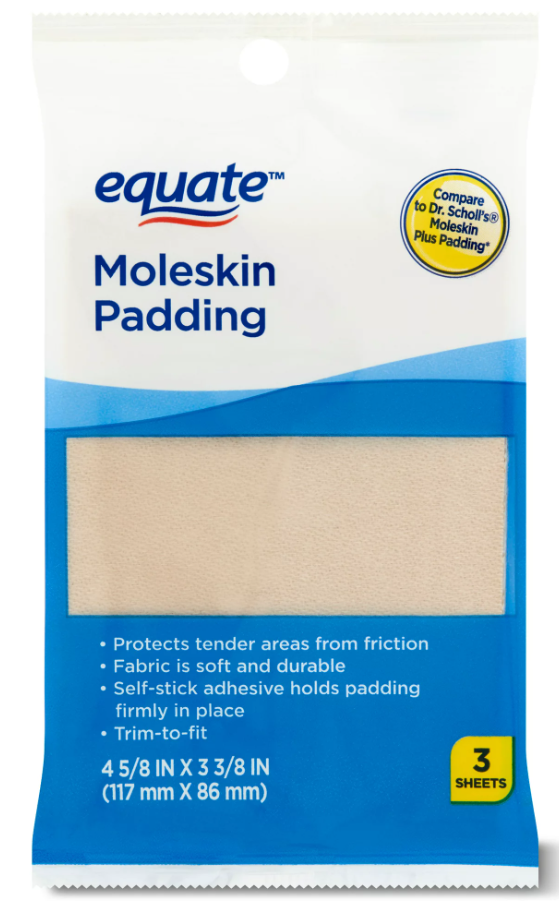
- Using moleskin with a hole cut out for pressure relief.
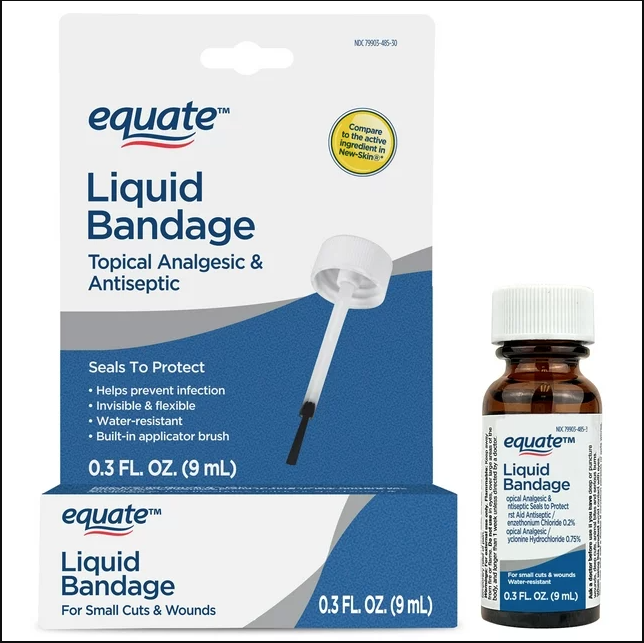
- “New skin” or liquid bandage for protection.
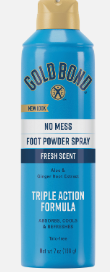
- Foot Powder/Spray
Treating Hot Spots: The article provides a step-by-step guide on how to treat hot spots during a hike, urging readers to stop immediately, tape affected areas, apply lubrication if blisters have partially formed, and leave the tape in place if the situation doesn’t worsen.
Treating Hot Spots:
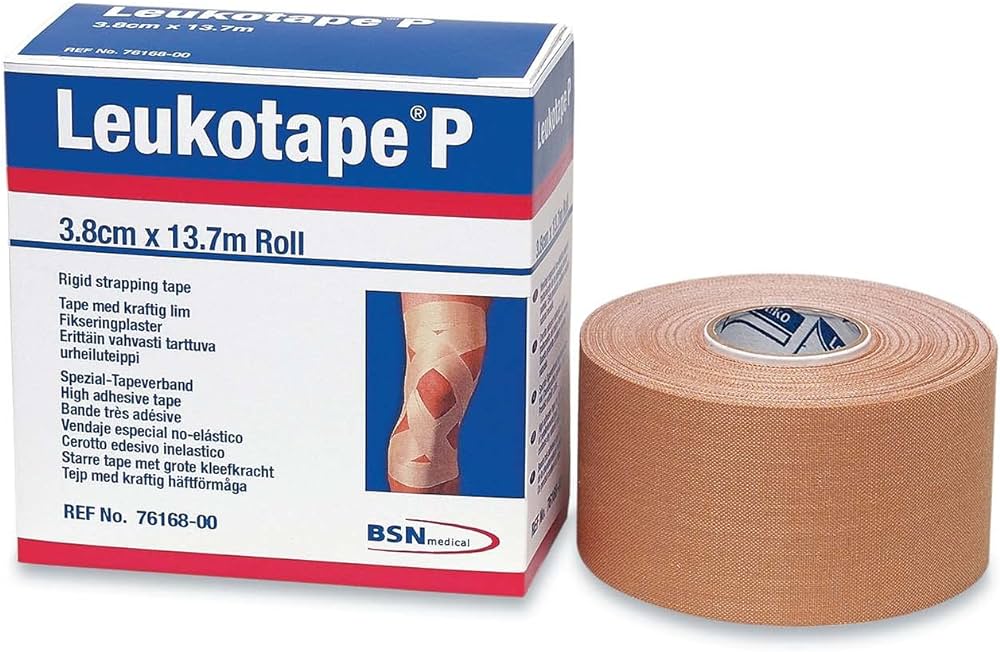
Leukotape P (the P is important, as it sticks way better) is the best! It’s an excellent preventative measure if you’re prone to blisters in a particular area.
- STOP immediately if foot pain is noticed.
- TAPE hotspots with duct tape to reduce friction.
- LUBE raw skin and cover with blister bandage or Moleskin.
- LEAVE tape in place if the hotspot doesn’t worsen.
Conclusion:
Blisters may be an inevitable companion on long hikes, but armed with knowledge, preventative measures, and effective treatments, outdoor enthusiasts can minimize their impact. Remember, each hiker is unique, so finding what works best for your feet is crucial. Happy hiking, blister-free!