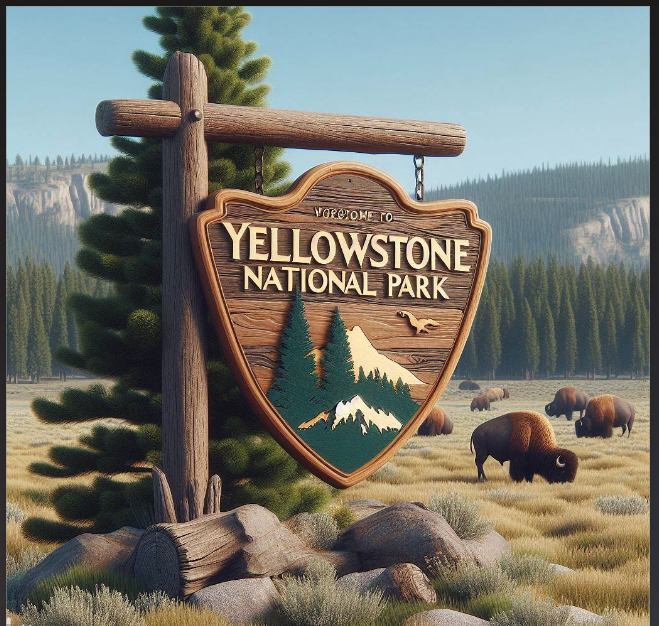
Yellowstone National Park, established in 1872, holds the distinction of being the United States’ first national park. This landmark achievement in conservation was made possible by the visionary efforts of Ferdinand Vandiveer Hayden and the scientific expedition he led in 1871-72. The park’s creation marked a turning point in the nation’s approach to preserving its natural wonders for future generations.
Exploration and Expeditions:
In the late 19th century, the Yellowstone area remained one of the last unexplored regions in the contiguous United States. Despite the westward migration and the discovery of gold in nearby Montana, Yellowstone had been largely overlooked. Two earlier expeditions, the Folsom-Cook group in 1869 and the Washburn-Langford-Doane Expedition in 1870, laid the groundwork for further exploration.
Ferdinand Hayden’s Historic Expedition:
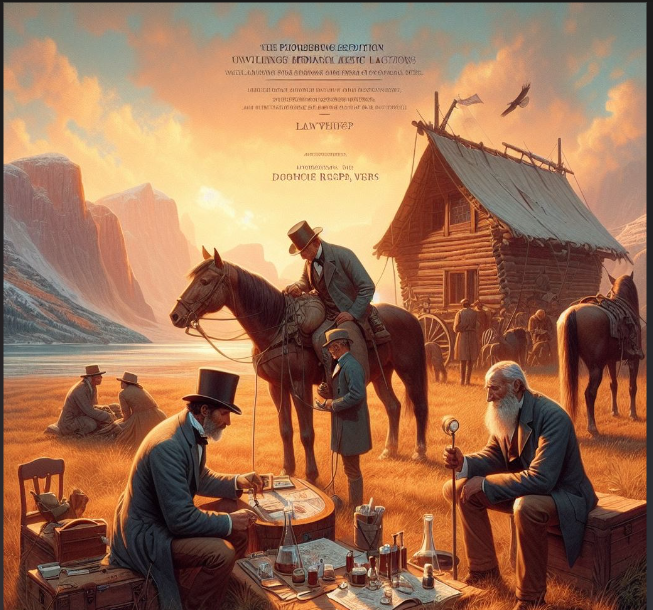
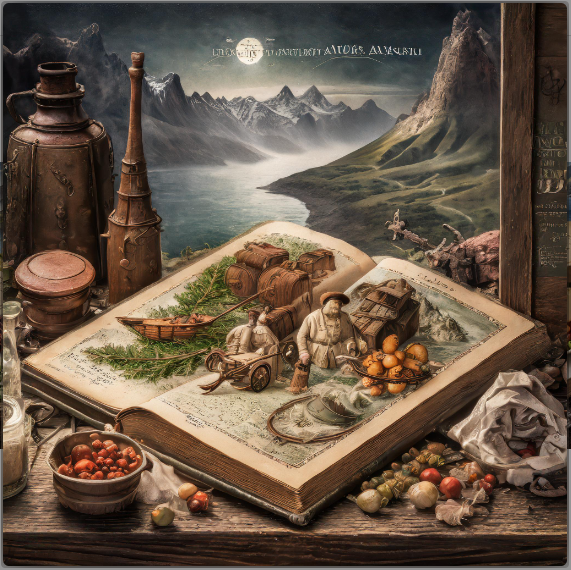
Ferdinand Hayden, a key figure in the establishment of Yellowstone National Park, organized a groundbreaking expedition in 1871 with the support of a $40,000 appropriation from Congress. The team consisted of thirty-four men and seven wagons, including a mineralogist, a topographer, artists, and a photographer. Notably, the paintings and photographs captured during the expedition played a crucial role in advocating for the park’s creation.
Scientific Discoveries:
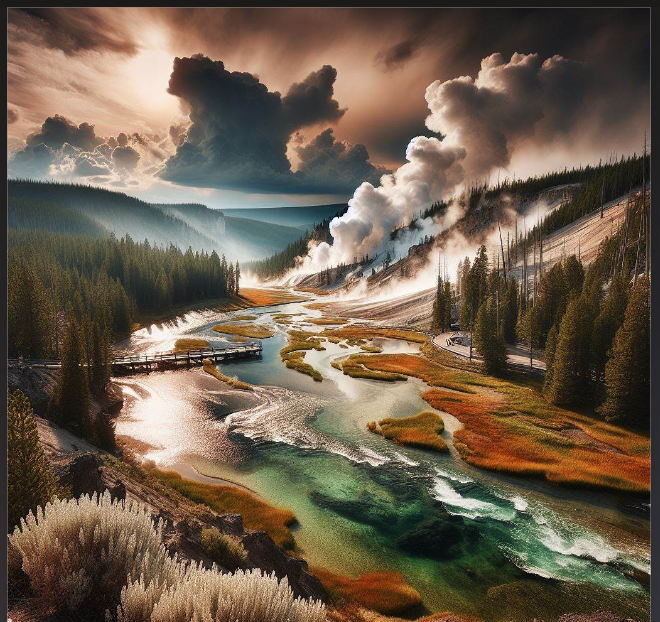
The Yellowstone Basin, with its unique geological features, served as an ideal open-air laboratory. The expedition explored geysers, boiling springs, and other natural wonders, providing valuable insights into mountain-making and volcanic processes. Despite the hazards of examining mud springs and geysers, the scientific observations made during the expedition formed the basis of a comprehensive 500-page report by Hayden.
Influencing Congress:
Hayden’s efforts extended beyond the scientific realm. He presented the report, along with photos, sketches, and paintings, to Senators, Congressmen, and officials in the Department of the Interior. Through articles in national magazines and personal lobbying, Hayden sought to convince Congress of the need to establish the park.
Establishment of Yellowstone National Park:
On December 18, 1871, a bill for the establishment of a park at the headwaters of the Yellowstone River was introduced in both the Senate and the House of Representatives. Hayden’s influence on Congress was evident in the detailed information presented by the House Committee on Public Lands. The bill, emphasizing the preservation of the region in its natural state, was approved by the Senate on January 30, 1872, and by the House on February 27.
Conservation Precedent:
President Ulysses S. Grant signed the bill into law on March 1, 1872, officially establishing Yellowstone National Park. This historic event set a major conservation precedent, marking the birth of the nation’s first national park. The Yellowstone region, with its exceptional beauty, was dedicated to the benefit and enjoyment of the people, laying the foundation for a tradition of preserving similar areas across the country.
Conclusion:
Yellowstone National Park stands as a testament to the foresight and dedication of individuals like Ferdinand Vandiveer Hayden. The establishment of the park not only preserved a unique and pristine natural landscape but also paved the way for the creation of a national park system that continues to protect and showcase the diverse beauty of the United States. Hayden’s legacy endures in the thriving ecosystem and awe-inspiring landscapes of Yellowstone, enjoyed by generations to come.