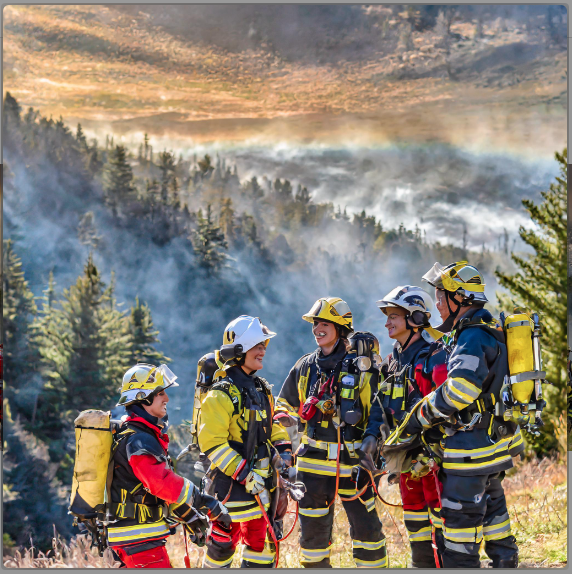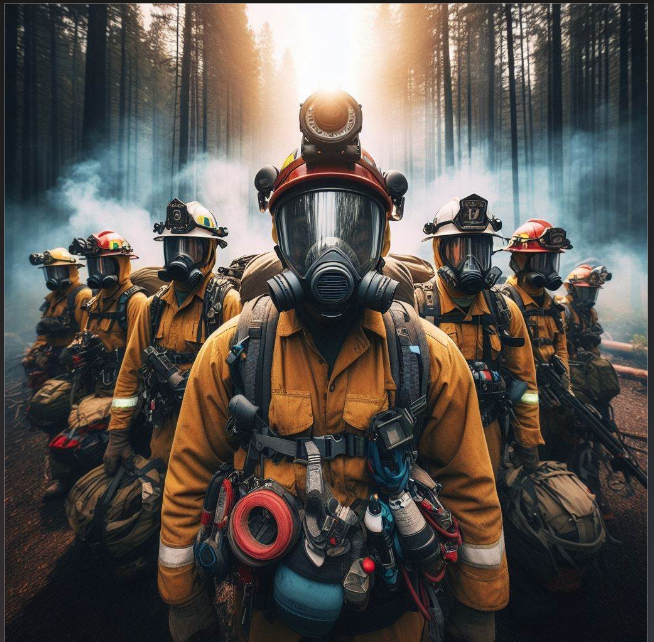
Embarking on a career as a wildland firefighter is an exciting yet challenging endeavor. As you await responses from your applications and prepare for potential mobilization, it’s crucial to understand the gear you’ll need and the essentials to pack for the intense firefighting environment. This article aims to provide a comprehensive guide for those just starting out in this demanding profession.
Depending on where you work, most agencies should supply you with everything but your boots.
Usually smokejumpers reach fires while they are still small, using hand tools such as the shovel and pulaski. The pulaski is a single-bladed axe with a grub-hoe on the opposite side, and is, undoubtedly, the greatest fire hand-tool ever invented. The closest smokejumper in picture 7 is swinging a pulaski. Since he’s cutting into the ground, he’s using the grub-hoe side of the tool. If he were cutting branches, small trees, or even a large root in the ground, he’d flip the tool around and cut with the axe blade. Chainsaws are used (outside of wilderness areas) when needed. Trees, brush, and flammable debris are cleared along the edge of the fire to rob it of fuel and to stop the fire’s spread. The photo [taken with a flash] is of smokejumpers cutting hotline at night on a fire in Idaho.
Sometimes back-pack pumps are used, or power pumps are dropped if there is a handy water source. Fires in Alaska call for somewhat different tactics. The perimeter is usually secured by beating with burlap sacks, or a 6′ spruce tree limbed up to a “broom” shape, or with specially designed beating tools called “tony tools.” Here are smokejumpers at nightfall beating on a spring fire on Kodiak Island with tony tools and burlap sacks. Water is used when available, and chainsaws are often used to cut a fire-line through the spruce trees.
On any fire, a backfire, such as the one shown, is used if necessary. This is an especially common tactic in the big fast-moving fires of the “Great Basin” such as this one in Nevada. Often helicopters or fixed-wing aircraft (aka “air tankers”) are called in to aid the ground troops. Most smokejumper fires are out or turned over to other firefighters within 3 days, but smokejumpers have been known to spend over a month on fires. They are re-supplied by parachute, helicopter, or even by road if possible.
Gear Essentials:
- Boots:
- Invest in quality boots from reputable brands like Nick’s, White’s, Scarpa, or La Sportiva for superior durability and comfort.
- Follow the seasoned advice of experienced firefighters for breaking in your boots, ensuring a snug fit that caters to the demands of the job.
- Clothing:
- Consider the importance of wet wipes for personal hygiene during extended periods of MRE consumption.
- Acquire a good headlamp for visibility during night operations, ensuring safety and efficiency.
- Purchase a compass to navigate the fire-ground effectively.
- Survival Gear:
- Carry a pocketknife, watch, and lighter – often mandatory items on many crews.
- Enhance comfort with a portable phone charger, Jetboil for quick meal preparation, and entertainment items like books, a Kindle, and headphones.
- Don’t forget instant coffee for a quick energy boost, and bring along essential toiletries such as toilet paper and wipes.
- Personal Items:
- Pack sunglasses, opting for a budget-friendly option given the likelihood of losing or breaking them.
- Include a Camelbak for convenient hydration during strenuous activities.
- Additional Comfort Items:
- Prioritize hand lotion to counteract the drying effects of the elements on your skin.
Starting Out Tips:
- Boot Fitting Wisdom:
- Pay attention to boot fitting advice, as experienced firefighters emphasize the importance of a proper fit for optimal performance.
- Follow the unconventional but effective method of breaking in boots – soaking them in water and hiking until dry, as recommended by seasoned professionals.
- Nutrition and Hygiene:
- Understand the challenges of irregular bowel movements due to MRE consumption, and pack wet wipes for hygiene maintenance.
- Consider the importance of a balanced diet and personal care during extended deployments.
- Night Operations and Tools:
- Gain insights into the tools used during night operations, such as the pulaski, a versatile firefighting hand-tool.
- Familiarize yourself with tactics like beating and backfires, crucial elements in controlling wildfires.
- Parachute Landings and Safety:
- Acknowledge the risks associated with parachute landings and understand the safety measures in place, including the use of reserve parachutes.
- Embrace the remarkable safety record of smokejumpers in parachute jumps since 1940.
- Food Choices:
- Learn about the variety of foods commonly consumed by smokejumpers, ranging from power bars to MREs, and understand the flexibility in choosing box contents based on personal preferences.
Conclusion:
As you venture into the world of wildland firefighting, arm yourself with the right gear, knowledge, and insights. Embrace the wisdom shared by seasoned professionals, prioritize safety, and prepare for the challenges and rewards that come with this noble and demanding career. Welcome to the family of wildland firefighters, and may your journey be filled with success and camaraderie.