I embark on this journey with a wealth of experience and numerous solo trips under my belt. However, it’s worth noting that my longest solo venture has been nine days. As I gear up for my upcoming adventure, a two-week expedition to Chevelon Canyon in AZ, I invite fellow outdoor enthusiasts to critique my gear list, offer suggestions, and point out any essentials I might be overlooking. Constructing a comprehensive checklist not only ensures I’m well-prepared but also allows me to keep an eye out for potential sales on items I may still need.
Destination and Plan:
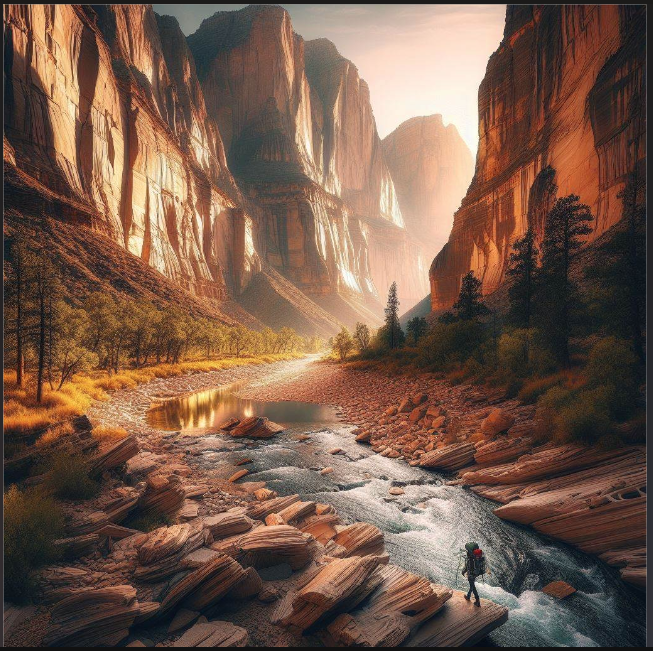
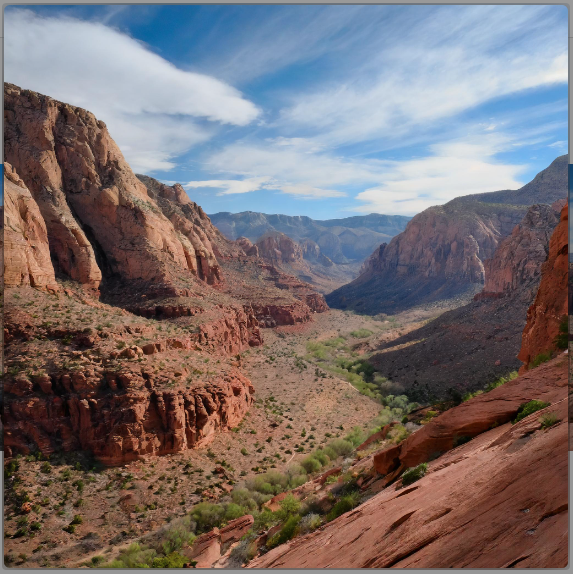
My chosen route spans from Chevelon Crossing to the Rim Top Trailhead, covering 2-3 miles a day with planned stops at scenic fishing spots. I anticipate camping for 1-2 days at these locations, interspersed with a couple of five-mile days—particularly one around Chevelon Lake and another from the confluence with Willow Springs to Rim Top. The journey is slated for early to mid-May, with the possibility of near-freezing nights, windy conditions, and, though unlikely, the chance of rain. The area boasts excellent fishing, featuring smallmouth bass in the lower end and massive trout in the upper reaches, not to mention an abundance of crawdads.
Gear List:
Core Gear:
- Kelty Trekker pack
- 20-degree Kelty Cosmic sleeping bag (considering a zero-degree option for unpredictable weather)
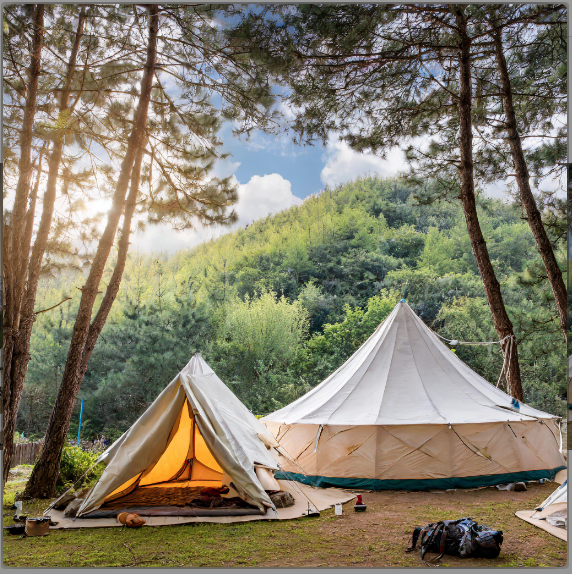
- Kelty Salida 1 person tent
- Thermarest Neoair sleeping mat
- Soto stove
- Rain poncho (doubles as a ground cloth)
- Garmin InReach
- High-lumen flashlight
- Two power banks with attached folding solar panels
Mess Kit:
- Random-brand titanium pot
- Plastic spoon
Additional Essentials:
- 50 feet of rope (to deter raccoons and rats)
- Clothing (Polarfleece top, synthetic t-shirt, puffer jacket, cheap rain gear, convertible pants)
- Two pairs of thick hiking socks and sock liners
- Water shoes for camp wear
- Opinel knife
- Fishing tackle (fly rod and flies)
First Aid Kit:
- Standard first aid supplies
- Neosporin and Benadryl cream
- Tweezers
- Dental kit
- Suture replacement strips
- Clotting powder
- Tourniquet and Israeli bandage
- Assorted prescription meds
- Ibuprofen, Benadryl, eye drops
Repairing Stuff Kit:
- Duct tape
- Shoe goo
- Sewing thread and needles
- Small multi-tool
- Assorted string
- Superglue
Hygiene Kit:
- Wash rag
- Shampoo bar
- Dish soap
- Toothbrush (handle sawn off)
- Travel-sized toothpaste
- Floss
- Sunscreen
- Bug repellent
- Roll of toilet paper
- Ultralight solar shower
Food & Water:
- Crawdads and ramen
- 2 large cans of isobutane
- Tin foil, oil, and lemon packets
- Sriracha packets
- Assorted ramen noodles and freeze-dried dinners
- Beef jerky and sticks
- Granola bars
- Egg powder
- Assorted treats (chocolate bars, gummy bears, canned goods)
- Tang
- Two 1-liter plastic bottles with iodine tablets
- Water bladder for camp and longer stretches
Weight Considerations: The estimated weight of my gear is around 55 pounds. Despite its heft, I’ve successfully managed similar loads on previous trips, shedding weight as the journey progresses.
Additional Points:
- I am considering Fjallraven pants, but I’m wary of the fit for a curvy girl.
- My previous nine-day trip resulted in a 45-pound starting weight, dropping to 25 pounds by the end, with 20 pounds accounting for food.
- The final day involves a challenging climb out of Willow Springs canyon, and my load is expected to be sub-30 pounds at that point.
- Redundancy in power banks is essential due to past failures, ensuring I can maintain communication via the InReach.
- Immodium is included in the first aid kit as a precaution.
- Gear is chosen for durability and reliability, prioritizing functionality over ultralight options.
I appreciate any feedback, critiques, or suggestions to fine-tune my checklist for a safe and enjoyable wilderness experience.
Gear list Critique:
While the two-week timeframe falls notably short of the six-plus months many thru-hikers dedicate to the trail, a significant number opt to forgo an InReach or carry only a fraction of the equipment you’re lugging along. The InReach, albeit a valuable trump card, becomes a cumbersome and seemingly useless item due to its weight unless absolutely essential. If, within the span of two weeks, you manage to deplete an entire tube of neosporin, you’ve essentially carried an unwieldy InReach “brick.”
The excess weight not only poses the risk of severe injuries but also heightens the likelihood of fatigue-induced poor judgment, hypothermia resulting from excessive sweating, and minor stumbles that could escalate into fractures, sprains, or even fatal falls.
While the common adage is that we pack our fears, at times, it leads us perilously closer rather than farther away from potential dangers. My 1.5oz “first aid kit” (comprising my entire backpacking gear) has transformed through innovative use as my experience and familiarity with the equipment have expanded.
Instead of prescribing what to retain or discard, I recommend taking the time to assess each piece of gear, questioning its versatility. Can it substitute for another item through creative application? For instance, my face buff serves the purpose of 25 other items, reducing the overall weight of my backpack. Interrogate your gear, turn it into a game, and cultivate creative problem-solving as a valuable skill.
Establish a goal, reframe it as a series of questions, and allow these questions to steer the discovery of functional solutions. Prior to embarking on a trip, test the limits of your gear in a safe environment. Now, two specific gear suggestions: a 58mm Victorinox multitool, known for its versatility and compact design, and an extra-large SOL emergency blanket catering to cold weather concerns. Despite the added weight, I wish your adventure to be safe, wonderful, and enjoyable, whether your pack leans towards the light or heavy side.