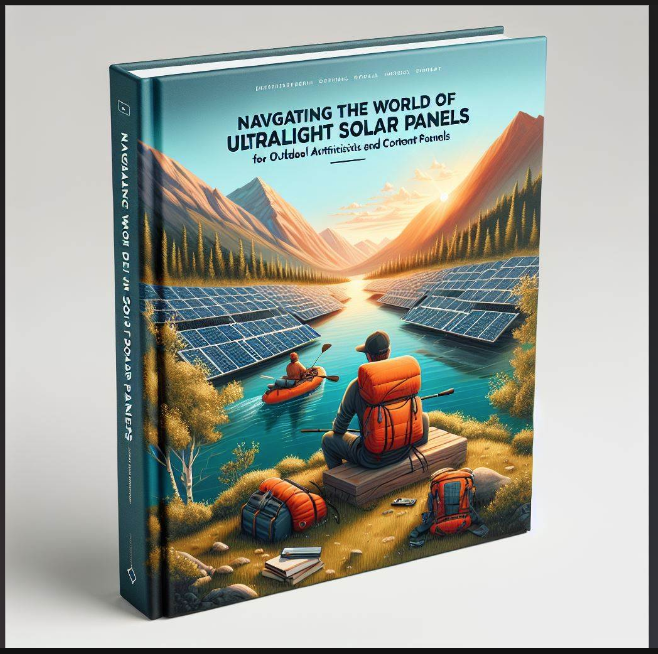
In the ever-evolving landscape of outdoor technology, the quest for reliable power sources is a perpetual concern for hikers, campers, and content creators alike. While battery packs have been the conventional solution, recent innovations in solar panel technology have sparked conversations about their potential to replace or complement traditional power banks. In this comprehensive article, we’ll explore various ultralight solar panel options, delve into personal experiences, and address considerations for both short trips and extended outdoor adventures.
The Missing Lixada 10W High Power Panel:
One notable omission from the initial list is the Lixada 10W High Power Panel, weighing a mere 2.8 ounces. Although not prominently featured in the discussion, this lightweight option deserves attention for its potential to compete with power banks. Speculation arises about upcoming technological advancements that could further diminish the reliance on battery packs.
Personal Experiences and Recommendations:
The author shares personal experiences with Goal Zero products, expressing disappointment with the Nomad 7 but finding interest in the BigBlue 28W option based on positive reviews. For content creators capturing extended footage during activities like loop hikes, the combination of a 20,000mAh power block and a 28W solar panel emerges as an essential solution for extended camera runtime lasting over three days.
DIY Solar Setup Insights:
The article delves into a DIY solar setup involving a semi-flexible panel, 18650 cells, CN3791-based MPPT charger, and a TPS61088A boost converter. Despite initial challenges, the modified setup demonstrated a practical solution for extended outdoor activities, producing 6W in direct sunlight and 3-5W at odd angles.
The Value of Powerful Solar Panels:
While acknowledging the practicality of battery packs for shorter trips, the article emphasizes the value of powerful solar panels for temporary base camps, particularly for content creators requiring continuous power for their equipment. The BigBlue 28W earns praise as a reliable choice, contributing to the growing discourse on the effectiveness of solar solutions.
Ultralight Solar Panels: Balancing Weight and Convenience:
In response to a query about ultralight solar panels, the article recommends considering the Lixada 10W (100g) and the BigBlue 14W (360g). However, a cautionary note is sounded that, in many cases, the weight savings achieved by ultralight solar panels may not outweigh the convenience of carrying additional power banks.
Tailoring Choices to Power Needs and Usage Patterns:
The ongoing discussion emphasizes the importance of considering power needs and usage patterns when choosing between the Lixada 10W and the BigBlue 14W. While the Lixada may not fully meet power requirements, the significant weight difference between the two panels should be taken into account.
Addressing Concerns and Exploring Alternatives:
Concerns about the slow charging speed of most solar panels are addressed, with a suggestion to calculate capacity needs and potentially opt for extra batteries instead. The positive experience of someone using an Anker solar panel on the PCT is shared, underlining that, in certain scenarios, solar panels can efficiently maintain a power bank’s charge.
The Elecanta 30W Solar Panel:
The article concludes by providing information about a 30W solar panel from Elecanta, which, despite not being ultralight, offers a more substantial power output and shorter charging times compared to smaller panels. A cautionary note is included, highlighting the variability of actual output based on factors such as sun strength and geographical location.
In conclusion, the world of ultralight solar panels is dynamic and diverse, offering solutions for a range of outdoor enthusiasts and content creators. As technology continues to advance, these solar options may become increasingly viable, challenging the dominance of traditional battery packs in the realm of portable power.