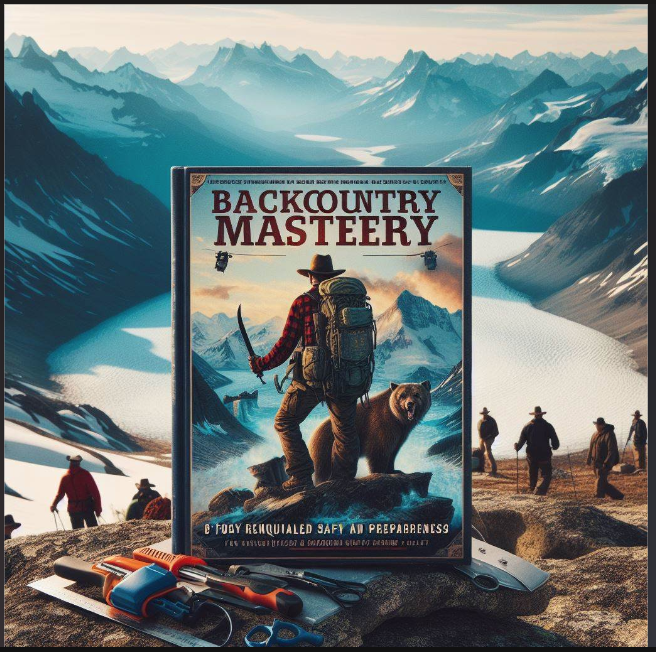
Navigating the backcountry offers a thrilling escape into nature, but as the number of outdoor enthusiasts rises, so does the occurrence of accidents. Whether you’re a novice or an expert, proper preparation is key to ensuring your backcountry adventures remain safe and enjoyable. Here are essential rules to follow for staying safe in the backcountry:
- Comprehensive First-Aid Kit: When it comes to first aid, go beyond the basics. Your kit should include not only painkillers and bandages but also essential items like antidiarrheal medication, antihistamine, sunscreen, antiseptic pads, antibiotic cream, scissors, tweezers, hand sanitizer, ACE bandage, SAM splint for fractures, and any personal medications. For group trips, consider additional supplies like gauze, medical tape, Aspirin, non-Latex gloves, and skin-closure strips. Undertaking a wilderness first-aid class ensures you can respond effectively in critical situations.
- Wildlife-Proofing Your Food: Safeguarding your food is crucial for both your safety and the well-being of wildlife. In bear country, use bear-proof canisters to store food and scented items, positioning them 200 feet away from camp. Maintain an equilateral triangle layout for your kitchen, tent, and food storage. Specialized canisters like SABRE’s Frontiersman INSIDER Bear Safe provide a practical and packable solution for this purpose.
- Navigation Essentials: Getting lost is a common challenge in the backcountry, leading to numerous search-and-rescue missions. Always carry a map and compass, and ensure you know how to use them. Additionally, having a GPS or GPS app with pre-downloaded maps for the area enhances your navigation capabilities and helps you find your way back if you deviate from your planned route.
- Stay On Established Paths: Reduce the risk of getting lost by sticking to established trails. Straying off the path, even just a few steps, in dense forests or desert landscapes can lead to disorientation. Walking and camping on designated paths not only keeps you on track but also helps preserve the fragile environment.
- Exercise Caution with Strangers: While on-trail crime is rare, being cautious is important, especially on easily accessible trails. Opt for popular destinations when concerned about human threats. For added security, keep a compact pepper spray or gel like SABRE’s Runner Pepper Gel handy, providing a lightweight defense against potential dangers.
- Pack Extra Layers: Unpredictable weather conditions can turn a pleasant hike into a life-threatening situation. Always carry an insulating layer, rain shell, wind shell, hat, gloves, headlamp, and extra food and water. These additional layers and essentials ensure you’re prepared for unexpected changes in temperature or extended stays due to unforeseen circumstances.
- Carry Bear Spray: With bear encounters on the rise, especially in grizzly or black-bear hot spots, carrying bear spray is essential. Choose a spray with maximum strength and range, such as SABRE’s Frontiersman Bear Spray. Practice using it beforehand to ensure quick and effective deployment in case of an emergency.
- Emergency Preparedness: Prioritize having a detailed emergency plan. Share your trip itinerary with a friend or family member, along with an expected return time. Carry a personal locator beacon, brightly-colored layer, and signaling tools like a small mirror to alert aircraft in case you become lost or stranded. These measures ensure that, in the event of unforeseen circumstances, help can be summoned promptly.