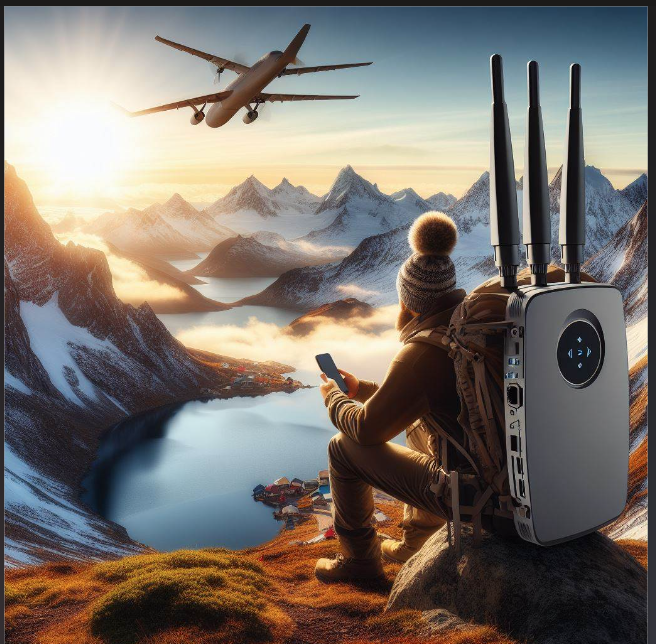
In the realm of outdoor adventures, staying connected can be a game-changer, especially for hiking enthusiasts exploring remote trails. While smartphones are often relied upon for hotspot functionality, dedicated cellular hotspot devices prove to be the superior choice for those who wish to blend connectivity seamlessly with their hiking experiences. This is particularly evident when considering battery life, signal strength, network priority, and the unique challenges posed by hiking in areas with varying cell phone tower signal strength and data speeds while roaming.
1. Prolonged Battery Life for the Long Haul: When embarking on extended hiking trips, preserving battery life becomes crucial. Smartphones, with their myriad of functions, are prone to rapid battery drain when used as hotspots. Dedicated cellular hotspot devices, purpose-built for creating Wi-Fi networks, are equipped with larger, specialized batteries, ensuring prolonged connectivity without compromising essential smartphone functions. This proves to be invaluable for hikers relying on their smartphones for navigation, emergency communication, and capturing the breathtaking moments along the trail. The battery in the hotspot device is often larger than that in your smart phone.
2. Signal Strength: Overcoming Remote Challenges: Hiking often takes enthusiasts through diverse landscapes, including areas with varying cell phone tower signal strength. Dedicated hotspot devices, armed with advanced antenna technologies, excel in maintaining a consistent and robust connection even in remote or challenging terrains. As hikers traverse mountains, forests, or valleys, these devices mitigate signal fluctuations, providing reliable internet access for navigation, sharing experiences in real-time, or even seeking emergency assistance when needed.
3. Network Priority in Remote Regions: When all or part of a mobile network is overloaded, mobile operators reserve a portion of the available data bandwith for customers on more expensive plans. Customers on less expensive plans, including many prepaid plans, are de-prioritized and will experience much slower data when the network is overloaded. De-prioritized data is typically only 15% to 25% as fast as that of customers who are not de-prioritized.
Roaming through remote regions may lead to encounters with inconsistent data speeds, making it challenging to rely solely on smartphone hotspots. Dedicated cellular hotspot devices, however, often come with features that prioritize network access, ensuring a stable connection even in areas with limited cellular infrastructure. Hiking enthusiasts can confidently share their adventures, access maps, and stay connected with loved ones, enjoying the benefits of reliable connectivity amidst the beauty of nature.
4. Data Speeds while Roaming: Maximizing Connectivity on the Move: Hiking trails may lead through areas where standard smartphone data speeds are inconsistent, affecting the overall user experience. Dedicated cellular hotspot devices, optimized for data transfer, can offer improved data speeds while roaming. This ensures hikers can effortlessly upload photos, stream content, or stay connected with minimal interruptions, enriching their overall outdoor experience.
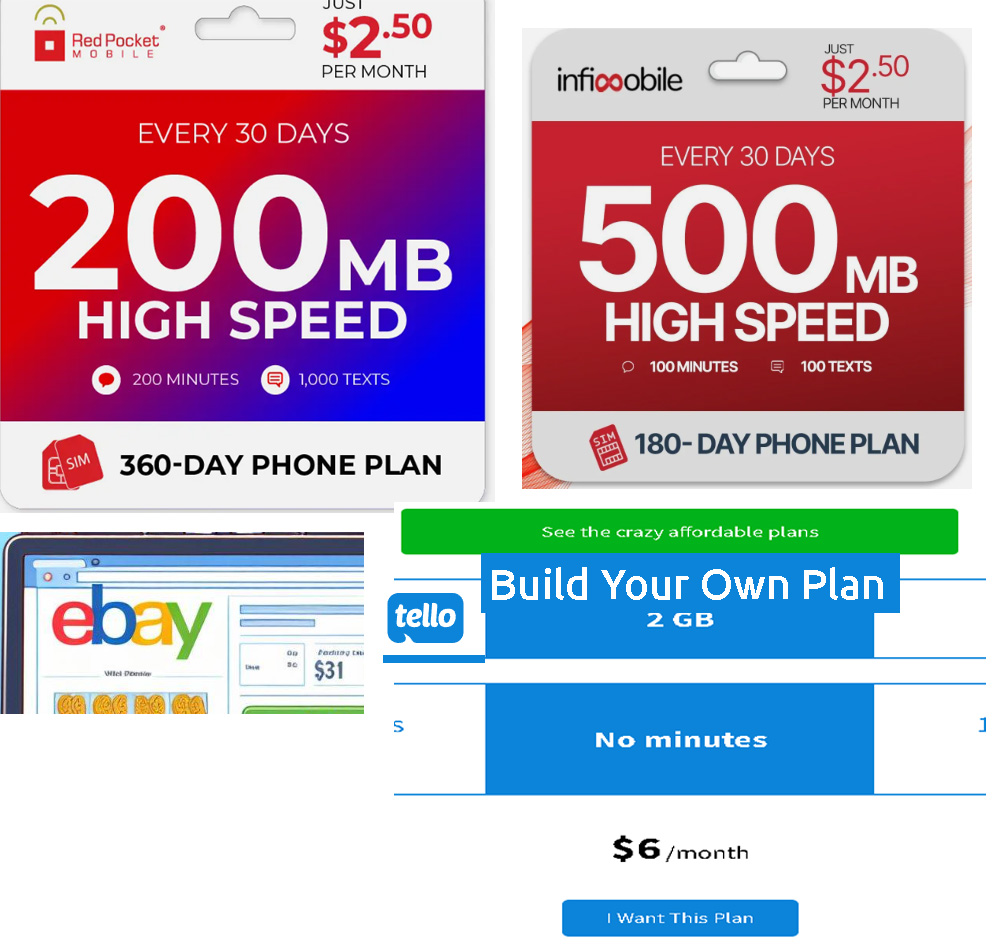
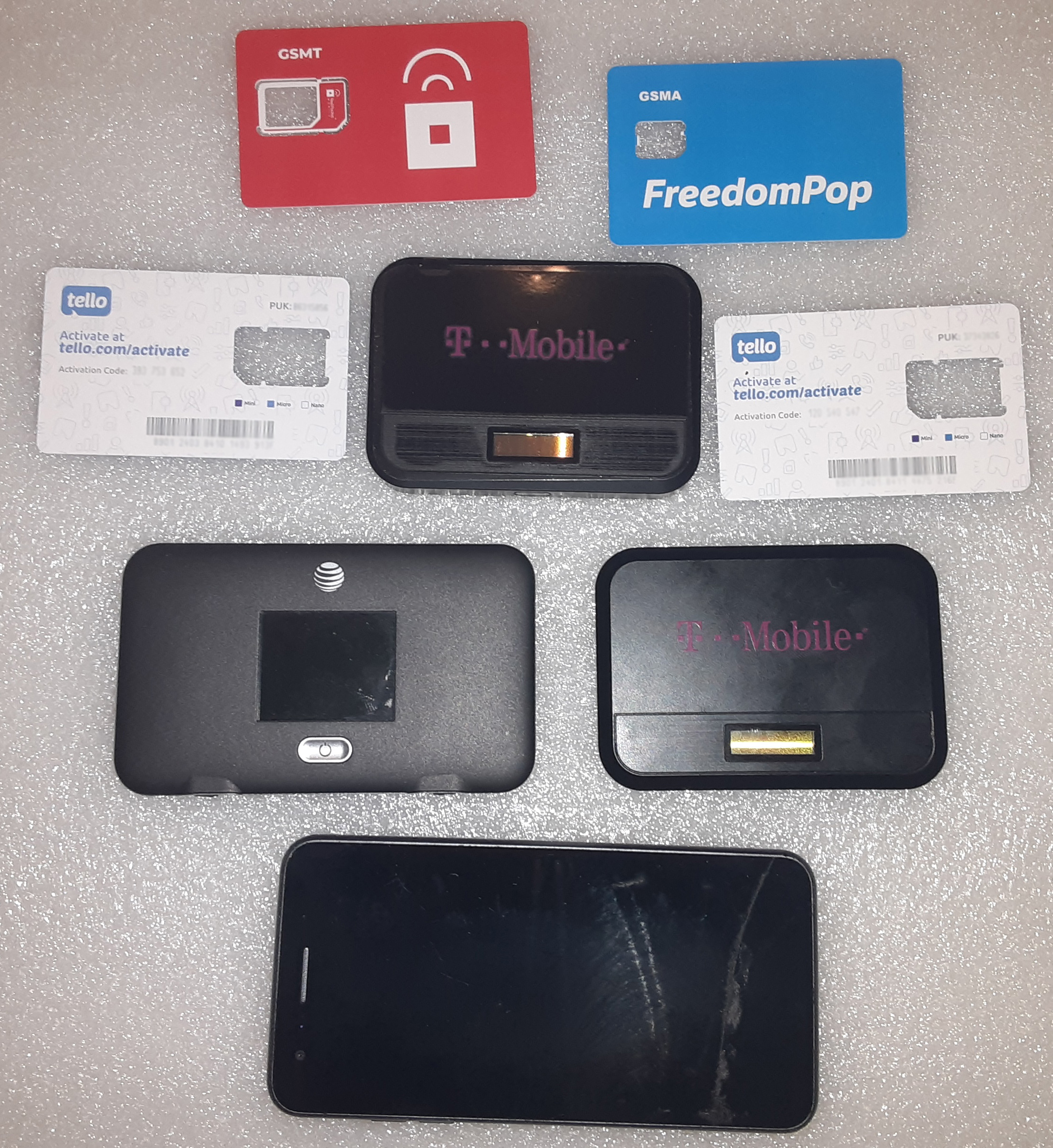
Mobile Virtual Network Operators (MVNOs) are companies that provide wireless communication services by leasing network infrastructure from traditional mobile carriers, also known as Mobile Network Operators (MNOs). Prepaid MVNOs offer a specific type of service where customers pay for the service in advance, usually through prepaid plans or pay-as-you-go options. Check Ebay for inexpensive sim cards for your short term data needs. Recommend at least two different hot spot devices on separate carriers (T-Mobile and AT&T for example). This way you will increase your chances at a great signal strength. I can’t tell you how many hikes I have been on where one person has a great signal and another person has ZERO signal at all, all dependent on the carrier and the power of the internal cellular modem (Red Pocket mobile will allow you to choose your carrier).
Here are some key aspects to discuss when it comes to prepaid MVNO networks:
- Cost-Effective Options:
- Prepaid MVNOs often appeal to budget-conscious consumers because they offer cost-effective alternatives to traditional postpaid plans. Customers have more control over their spending, as they pay for the service upfront without the need for a credit check.
- Flexibility:
- Prepaid MVNOs typically provide flexible plans that cater to various usage patterns. Users can choose from a range of prepaid options, such as talk and text-only plans, data-only plans, or combinations that suit their specific needs.
- No Long-Term Contracts:
- One of the significant advantages of prepaid MVNOs is that they usually operate on a no-contract basis. Customers are not tied to long-term commitments, and they have the freedom to switch plans or carriers without facing early termination fees.
- Limited Coverage Areas:
- While prepaid MVNOs can offer cost savings, they may have limitations in terms of network coverage. Since they lease infrastructure from MNOs, their coverage is dependent on the agreements in place. Some prepaid MVNOs might not have access to the full spectrum of network services provided by the major carriers.
- Device Compatibility:
- Customers using prepaid MVNOs need to ensure that their devices are compatible with the network. While most unlocked devices can work with MVNOs, there may be restrictions on specific networks or technologies (e.g., 4G, 5G) depending on the MVNO and the underlying carrier.
- Varied Service Levels:
- Prepaid MVNOs cater to different customer segments. Some may focus on providing basic communication services, while others might offer additional features such as international calling, mobile hotspot capabilities, or other value-added services. The variety of options allows users to choose plans that align with their preferences.
- Customer Support:
- The level of customer support can vary among prepaid MVNOs. Some may provide robust customer service, while others may have more limited support options. Users should consider the quality of customer service when selecting a prepaid MVNO.
- Data Speeds and Prioritization:
- In some cases, prepaid MVNO users may experience slower data speeds or lower network prioritization during times of network congestion. This is because MNOs often prioritize their direct customers over MVNOs during peak usage periods.
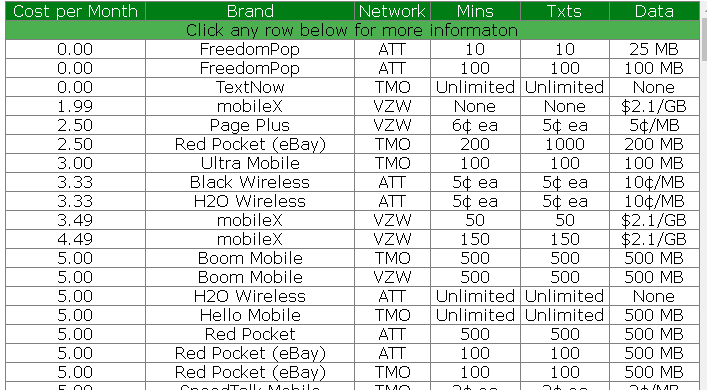
Overall, prepaid MVNOs can be a suitable option for users seeking budget-friendly, flexible mobile plans, as long as they are aware of potential limitations in coverage, device compatibility, and customer support. Before choosing a prepaid MVNO, it’s essential to research and compare the available options to find the best fit for individual needs and preferences.
In the world of hiking, where connectivity meets the great outdoors, dedicated cellular hotspot devices emerge as indispensable companions. With extended battery life, enhanced signal strength, network priority, and the ability to tackle challenges posed by varying cell phone tower signal strength and data speeds while roaming, these devices empower hiking enthusiasts to capture and share their adventures without compromise.