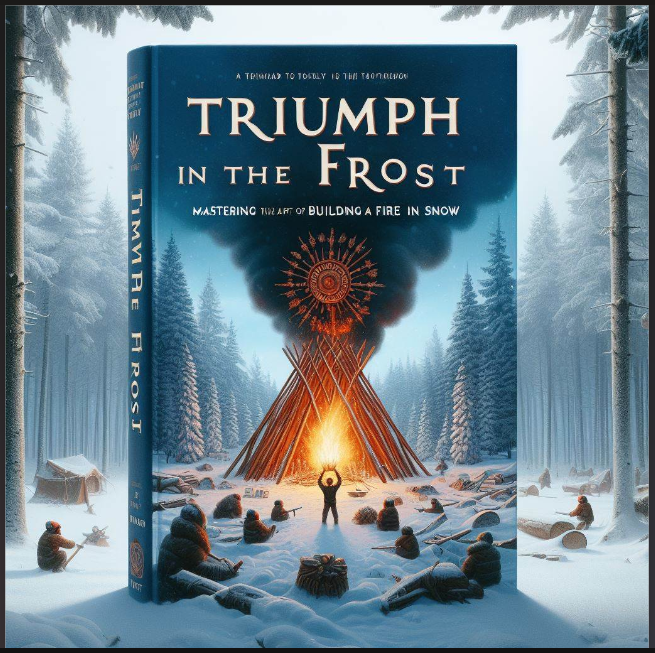
Embarking on a solitary winter adventure, the question lingers: will the quest for warmth amidst the snowy expanse be triumphant or meet its icy match? Gazing through my bedroom window, I witness the descent of clouds over the mountainous landscape, a prelude to a night of continuous snowfall. Equipped with a backpack adorned with a lightweight shovel and hatchet, snowshoes fastened, I venture onto Colorado’s Lost Creek Wilderness via the Wigwam Trail.
The rhythmic crunch of snow underfoot provides a sensory backdrop as I navigate the pine-filled forest, relishing the stillness broken only by my solitary tracks. The allure of winter adventure lies in the tranquility and seclusion it offers.
However, challenges abound in the form of piercing cold and concealed campsites. Desiring a night under the stars, a fire becomes not just a luxury but a necessity. Additionally, it serves as a practical opportunity to hone winter survival skills for unforeseen situations lacking warm gear.
Recalling a past backpacking trip where an unexpected storm revealed the intricacies of igniting a fire on snow, I faced the dilemma of locating not just dry wood but any wood at all. The buried forest floor and logs proved elusive, and my attempts were thwarted by the snow extinguishing the feeble flames. Undeterred, armed with a mini shovel, a hatchet, and newfound knowledge, I embark on a mission to conquer the snow-bound challenge.
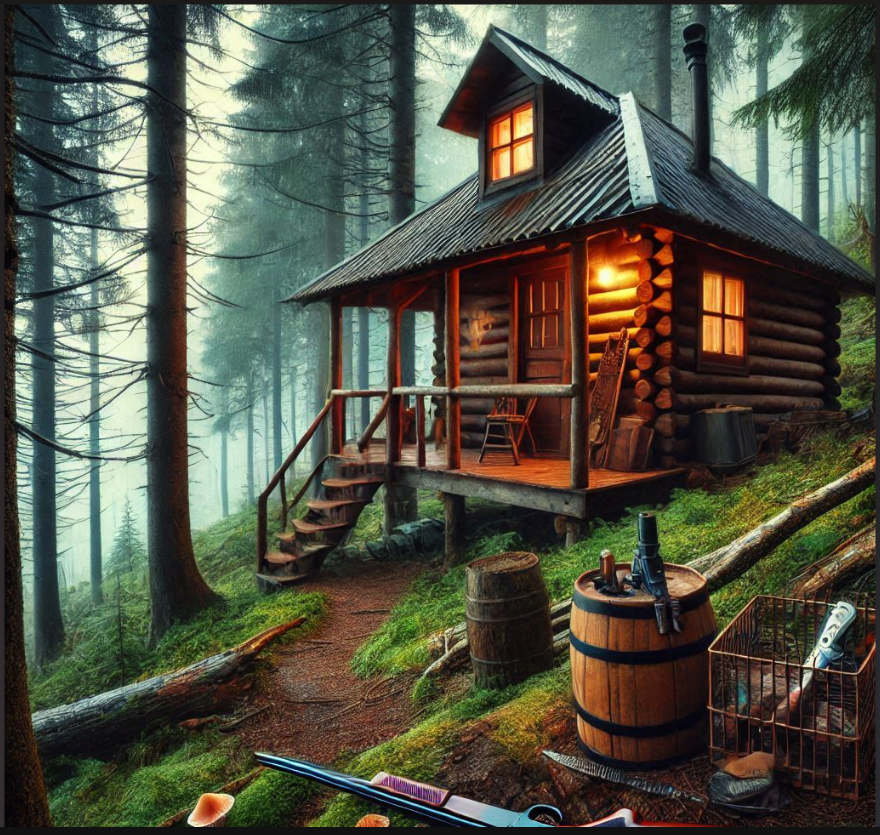
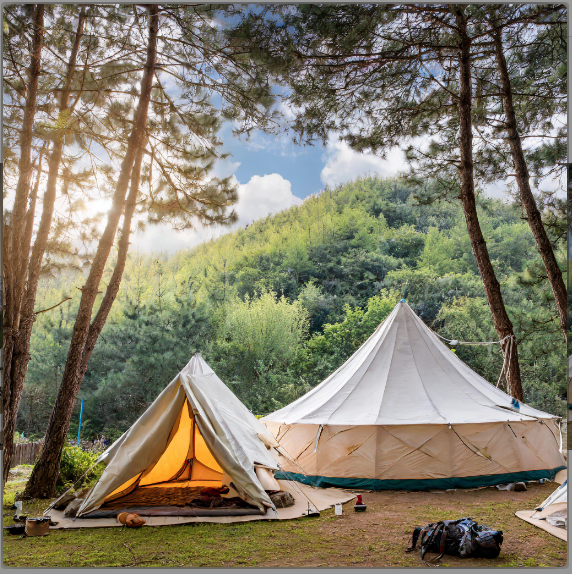
Amidst a picturesque winter day, bathed in sunlight and warmed by the exertion of the hike, I pause beneath a pine, savoring the silence and the glistening snow. However, as the sun retreats behind the mountains at my riverfront campsite, the cold pierces through my layers, demanding a remedy beyond the confines of my sleeping bag.
With determination, I scour the forest floor for protruding ends of fallen branches, avoiding sweat-inducing haste. Collecting a dozen dry wood lengths, I deftly split them, revealing dry interiors suitable for burning. The process involves meticulous chipping to create kindling, with the goal of amassing double the fuel for a summer fire, ensuring a robust bed of coals.
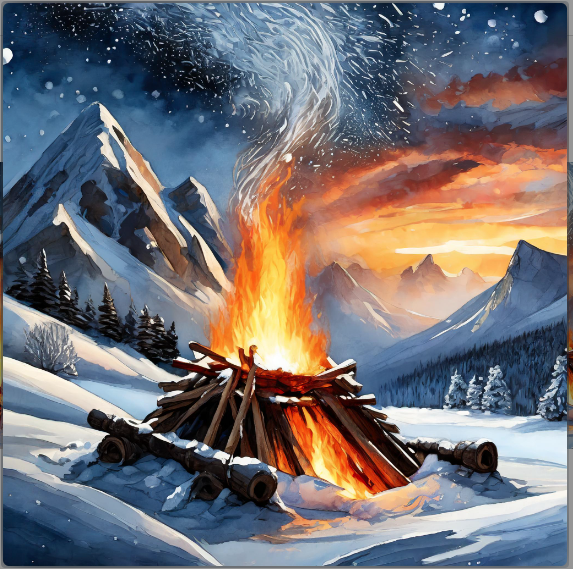
Utilizing the shovel, I excavate a 3-foot-wide hole in the snow down to the ground, lining it with damp logs for a heat-resistant base. This strategic design prevents the coals from extinguishing, learned through the hard lessons of past failures. The snow is piled around the pit to shield it from the wind. Kindling arranged, cotton balls soaked in petroleum jelly at the ready, I ignite the flame, initiating a ritualistic process of patiently building the fire.
As the flames dance within the snow pit, I revel in the success of my efforts. Gloved hands warmed by the fire, I reflect on the accomplishment, confident in my newfound ability to camp in winter. The forest echoes with the soothing crackle of the fire, setting the stage for a serene night under the stars.
The Verdict: Success A combination of practice, proper tools, and unwavering patience results in triumph.
Skill School: Mastering the Art of Fire Come Prepared Equip yourself with a lightweight shovel, a small axe or hatchet for accessing dry wood cores, and cotton balls soaked in petroleum jelly for reliable ignition.
Dig a Pit Scoop snow down to ground level, fashioning a wooden or stone platform at the bottom for heat resistance.
Leave No Trace Gather only dead, downed wood where abundant, avoiding harm to live trees. Disperse ashes after cooling to minimize the impact of your firepit.
Have Patience Building a fire on snow demands time and effort. Add fuel gradually to establish a stable bed of coals, embracing the slow and deliberate process.