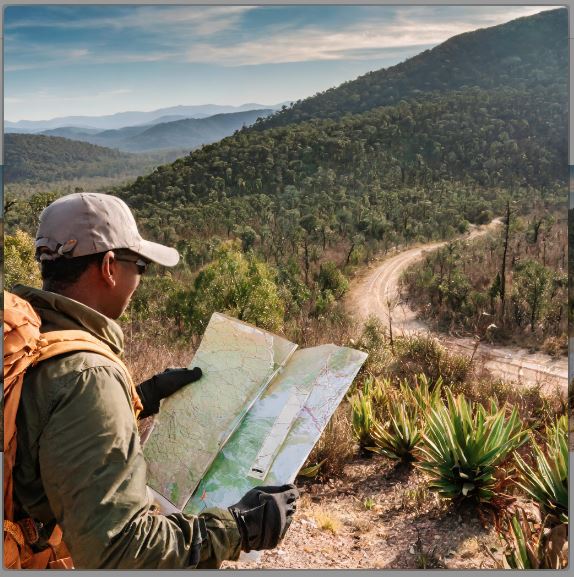
Embarking on a backpacking adventure is exhilarating, but the wilderness poses hidden dangers, and some substances lurking in your backpack may be more toxic than you think. In this guide, we’ll delve into four scenarios where poisoning can occur during your backcountry escapades and discuss essential measures to safeguard against these threats.
Scenario One: Food Poisoning Imagine this: It’s the dead of night, and your partner casually reveals the fuzzy white mold on the salami added to your spaghetti sauce. Despite boiling, the toxins linger. Food poisoning can strike, leading to nausea, severe cramps, diarrhea, and vomiting. However, the good news is that symptoms usually fade within 6 to 12 hours. To counteract the effects, stay hydrated and rest until you feel well enough to resume your hike.
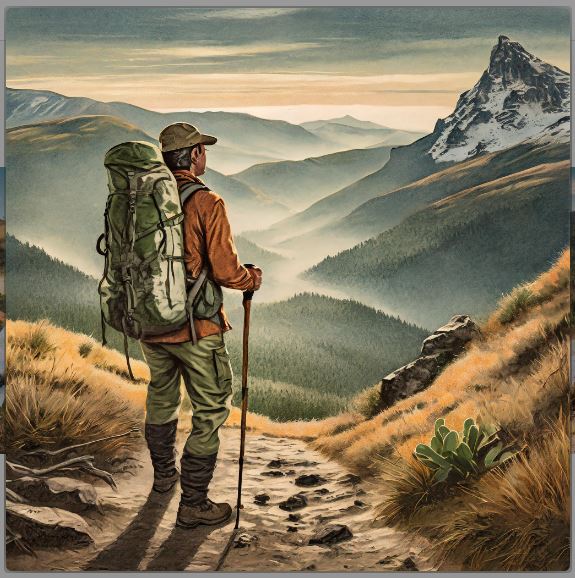
Scenario Two: Petrochemical Poisoning A fuel bottle leak into your food bag has tainted your cheese. Consuming it leads to burping gas, a sign of petrochemical poisoning. Dilution is the key – drink water or, better yet, milk. If the symptoms persist, seek medical attention promptly.
Scenario Three: Carbon Monoxide Poisoning Cooking inside a tent during inclement weather may seem like a cozy solution, but it can lead to carbon monoxide (CO) poisoning. This silent and deadly gas causes headaches, nausea, and confusion. Immediate action is crucial: get fresh air. For low-level exposure, recovery is likely after a few hours. However, high concentrations require rapid evacuation to a high-pressure chamber for supplemental oxygen.
Scenario Four: Mushroom and Plant Poisonings Your child innocently chews on an unidentified mushroom. In the realm of mushroom and plant poisoning, fatalities are rare, but certain species, like the Amanita, can be lethal. Symptoms, including severe nausea and vomiting, typically manifest within 6 to 12 hours. In case of suspected ingestion, induce vomiting if the person is conscious or administer activated charcoal post-vomiting. Evacuate unconscious victims immediately to a medical facility.
Conclusion: As you venture into the backcountry, equip yourself with knowledge to avoid these poisonous encounters. Whether it’s practicing safe food handling, being cautious with petrochemicals, ensuring proper ventilation when cooking, or steering clear of unidentified mushrooms and plants, a little awareness can go a long way in ensuring a safe and enjoyable backpacking experience.