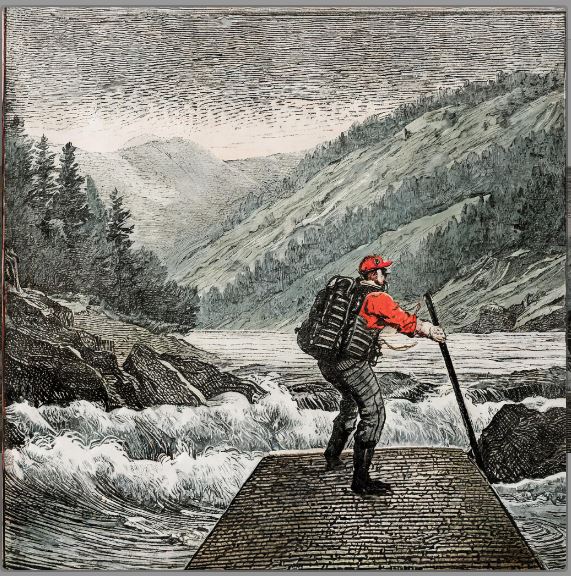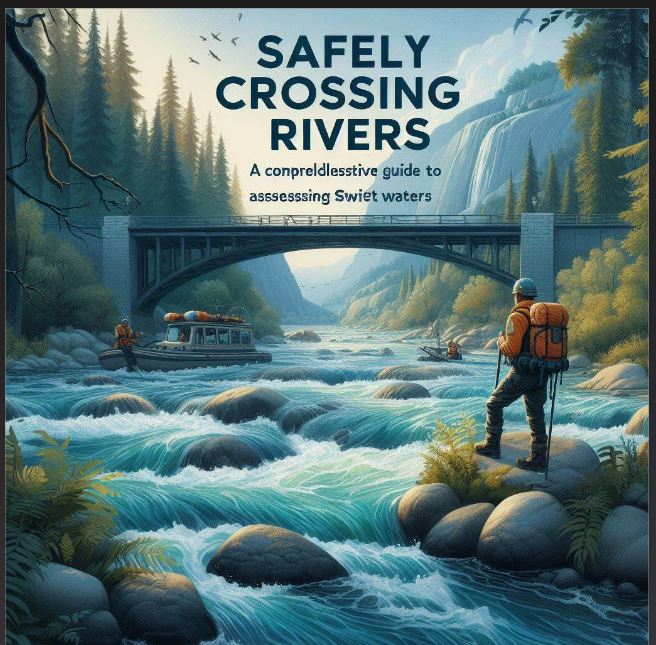
Navigating swift rivers can be a challenging yet inevitable part of outdoor adventures, especially in regions where water levels remain elevated. Safely crossing these bodies of water requires a careful assessment of various factors such as speed, depth, and potential obstacles. In this comprehensive guide, we’ll explore the key considerations for safely assessing and navigating fast-moving rivers, offering practical tips to ensure a secure crossing.
Assessing Speed:

One of the primary indicators of a river’s safety for crossing is its speed. An easy and quick way to gauge this is by tossing a stick or debris into the water and observing its movement. If the object swiftly moves downstream, it indicates a strong current, suggesting that the river may be too fast to cross safely. Understanding the speed of the river is crucial, as attempting to cross fast-moving waters can lead to loss of balance and potentially dangerous situations.
Evaluating Depth:
Assessing the depth of a river is equally important. Generally, it is advisable to avoid crossing water that is moderately swift and deeper than mid-thigh. However, it’s essential to exercise caution and be conservative in estimating depth, as the actual conditions may vary. Testing the waters with a stick or carefully stepping into the river can help determine if the depth is within a safe range. If the water exceeds the recommended depth, it is advisable to find an alternative crossing or wait until conditions improve.
Identifying Obstacles:
Obstacles in the river, such as fallen trees and waterfalls, can pose significant risks during a crossing. It is crucial to be aware of potential hazards, especially downstream of these obstacles. Falling into fast-moving water near obstructions can lead to entrapment and increase the danger of injury. When choosing a crossing point, carefully assess the surroundings for potential obstacles, and opt for wider areas where the water is slower and shallower.
Post-Storm Considerations:
After a recent storm, water levels in rivers may rise rapidly, making crossing even more hazardous. It is advisable to exercise caution and consider waiting for approximately 24 hours after a storm before attempting to cross. This waiting period allows the water levels to recede, reducing the risks associated with swift currents and unpredictable conditions.
Preparing for Crossing:
When you’ve determined that a river is safe to cross, it’s essential to take preparatory measures. Unclip all pack straps to facilitate a quicker escape in case of an emergency. If you have water shoes, wear them for better traction; otherwise, keep your boots on to prevent slipping on rocks or uneven riverbeds.
Crossing Techniques:
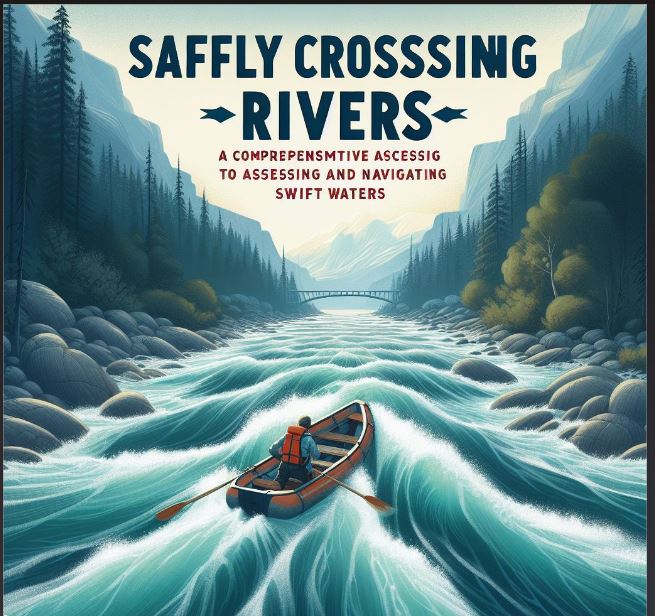
The technique for crossing a river can vary depending on whether you are alone or part of a group. For solo hikers, using a stick or trekking pole can provide additional stability. Face upstream and cut a diagonal path against the current to maintain balance. When crossing with a partner, form pairs and move sideways with hands on each other’s shoulders for greater stability. Larger groups can adopt a triangular formation, and even larger groups can form a conga line for a more secure crossing.
Emergency Response:
Despite careful preparation, accidents can happen, and it’s crucial to know how to respond if you find yourself in the water. If swept away by the current, ditch your pack immediately to reduce drag, point your feet downstream, and paddle vigorously towards the shore. This technique can help you navigate the current more effectively and increase your chances of reaching the shore safely.
Conclusion:
Safely crossing swift rivers requires a combination of careful assessment, preparation, and knowledge of effective techniques. By considering factors such as speed, depth, and potential obstacles, outdoor enthusiasts can make informed decisions when faced with river crossings. Remember to exercise caution, adapt to changing conditions, and prioritize safety to ensure a successful and secure journey through challenging terrains.