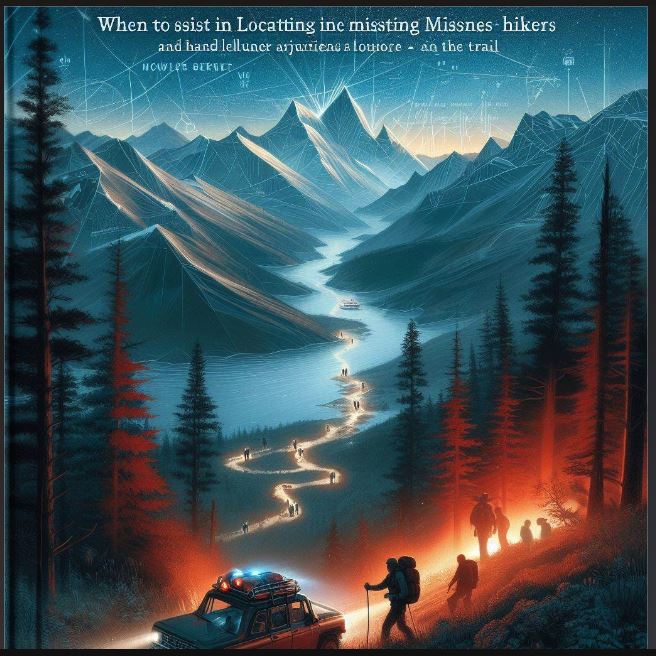
The vast and majestic landscapes of the mountains draw adventurers like moths to a flame, offering a playground for exploration. However, with the thrill of outdoor activities comes the responsibility of being prepared for emergencies. In this article, we delve into the experiences of ultrarunner Jeremy Humphrey, who found himself aiding in the search for a missing hiker, and we consult a public information officer from the Mountain Rescue Group, to unravel the intricacies of when it’s appropriate for civilians to assist in search efforts and how to handle encounters with injured hikers.
The Prepared Hiker: Must-Have Safety Tools and Mental Preparedness:
When it comes to safety in the mountains, having the right tools is crucial. Rescue Groups emphasizes the importance of carrying a satellite communication device or personal locator beacon (PLB). These tools can transmit GPS locations to rescue agencies, even in areas with no cell service, potentially expediting the rescue process.
Also stress a need for gear versatility, advocating for items that can serve multiple purposes. Duct tape, for instance, is not just for repairs but can be used for splinting, blister care, and even improvised glacier glasses. However, beyond physical tools, mental preparedness is equally essential. Knowing how to handle challenges and having a solid understanding of basic first aid principles can make a significant difference in emergencies.
Encountering an Injured Hiker: A Guide to Responsiveness:
The trails, though breathtaking, can be unforgiving, and encounters with injured hikers are not uncommon. Hildner provides practical advice on evaluating the severity of injuries and the individual’s condition. Hikers are encouraged to make decisions based on the situation, choosing between treating and monitoring or treating and requesting rescue. Addressing wetness, heat, cold, misalignment, and bleeding are fundamental principles. In cases where rescue is necessary, providing detailed information, such as location, gender, age, event description, injury or symptoms, medical history, and clothing or tent details, is crucial when contacting authorities.
Navigating the Thin Line: When to Assist in Search Efforts:
While the impulse to help in search and rescue operations is commendable, Rescue Groups cautions against untrained civilians self-deploying into search areas. Contrary to popular belief, professional teams often prefer to work without untrained volunteers, as they can pose safety risks and disrupt organized rescue efforts. Instead, civilians can play a vital role by offering thorough location and medical information to aid professional search and rescue teams.
Rescue Groups dispels the notion of quick helicopter rescues, emphasizing that search and rescue is predominantly a ground-based response, often taking hours to days. Being prepared for self-rescue or self-care is therefore crucial in emergencies.
Common Reasons for Rescue Operations and the Role of Expertise:
Ankle injuries top the list of medical reasons for rescue operations, while lack of preparation, including insufficient equipment or route research, is a common non-medical cause. Hildner underscores the importance of planning and preparation in outdoor activities to mitigate these risks.
In terms of expertise, Rescue Groups encourages outdoor enthusiasts interested in search and rescue to join local teams. These teams, often comprised of volunteers with a passion for mountain and backcountry rescue, undergo specific training and familiarize themselves with SAR processes, ensuring their efforts are efficient and safe.
Conclusion:
In the realm of outdoor adventures, responsible exploration and preparedness are paramount. Whether aiding in search efforts or encountering an injured hiker on the trail, understanding when to assist and when to defer to trained professionals can make a significant impact. As we navigate the wilderness, let the experiences of experts and insights from search and rescue professionals be our guide to a safer and more enjoyable outdoor experience.