When diarrhea strikes in the wilderness, miles away from the comforts of a porcelain throne, a swift and informed response can be the key to salvaging your outdoor adventure.
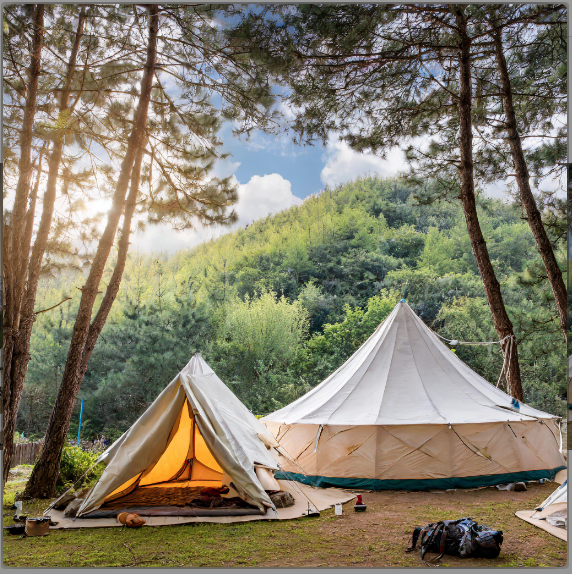
As darkness enveloped the Wyoming’s Wind River Range, an insistent wind battered my tent, reminiscent of a furious beast. While I anticipated the biting air at such high altitudes, the unexpected turmoil was the gastrointestinal tempest brewing beneath my belly button.
In an effort to shield my bare bottom from the icy gusts, I had pre-dug several catholes within a sprint’s reach from the tent. Throughout the long night, a repetitive pattern unfolded: emerge from the sleeping bag, hastily rush, squat, and dash back.
Diarrhea, technically defined as the “frequent passage of unformed watery bowel movements” by Taber’s Cyclopedic Medical Dictionary, has plagued humanity throughout history, affecting both royalty and commoners, men, women, and children. In the Civil War, it claimed nearly as many lives as weapons did. While chronic diarrheal diseases are rare in North America due to advancements in water treatment and sanitation, outdoor enthusiasts are consistently at risk when plumbing is left behind. According to the Annals of Emergency Medicine (July 1992), viral syndromes and diarrhea account for a significant percentage of illnesses and evacuations from wilderness programs.
There are two primary types of diarrhea: invasive and noninvasive. Invasive diarrhea, also known as dysentery, attacks the lower intestinal wall, causing inflammation, abscesses, ulcers, and potentially leading to severe complications. On the other hand, noninvasive diarrhea results from the release of toxins, causing cramps, nausea, vomiting, and copious fluid discharge. Both types pose risks of dehydration, with noninvasive diarrhea carrying a heightened threat.
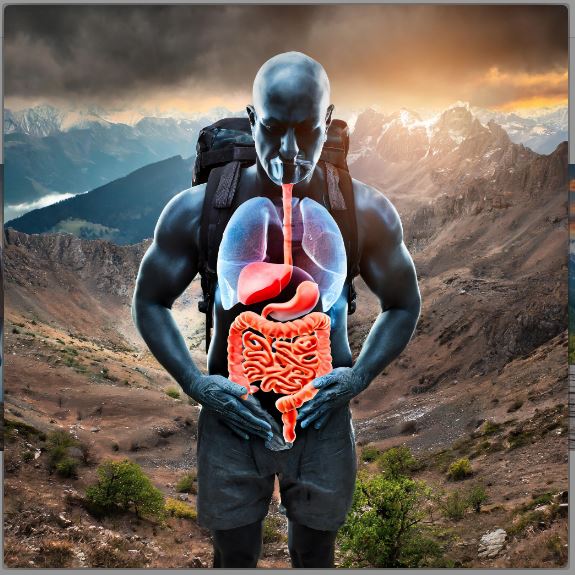
The causes of diarrhea in the backcountry are diverse, ranging from flu and spicy foods to stress. Traveler’s diarrhea, also known as Montezuma’s revenge or trekker’s trots, can arise from ingesting contaminated water or food, resulting in symptoms lasting from a few hours to several weeks.
In North American wilderness areas, wildlife-borne waterborne germs have historically been responsible for most cases of diarrheal illnesses. However, humans are increasingly contributing to infections through the transport of germs either in their bodies or food.
Various pathogens can cause diarrhea, including:
- Giardia lamblia: Causes “backpacker’s diarrhea” with symptoms like foul-smelling stool, cramps, rotten-egg burps, and weight loss.
- Cryptosporidium: Causes cramps, nausea, gas, and diarrhea, with prolonged symptoms for individuals with immune deficiency.
- Escherichia coli: Noninvasive strains result in headache, nausea, and watery stools, while invasive strains can cause dysentery.
- Campylobacter: Causes general discomfort, fever, cramps, and bloody diarrhea.
- Salmonella: Results in headache, fever, nausea, cramps, and diarrhea after ingestion of contaminated food.
- Shigella: Responsible for most cases of dysentery, causing cramps and watery stools.
- Norwalk virus: A viral source causing mild vomiting and diarrhea.
Regardless of the causative agent, all diarrhea leads to the significant loss of fluids and electrolytes, emphasizing the need for proper treatment in the field. Rehydration is crucial, with clear liquids like water, broth, herbal tea, and fruit juice recommended. Oral Rehydration Salts can be included in the first-aid kit for additional electrolyte replenishment. Pepto-Bismol, Imodium, and Lomotil are over-the-counter medications that can provide relief, but caution is advised, especially if dysentery is suspected.
While treating diarrhea in the field, it’s essential to stick to liquids until the symptoms subside. Bland foods like bread, crackers, cereal, rice, potatoes, lentils, pasta, or bananas can be introduced later. Alcohol, caffeine, spices, fruits, and fat-laden products should be avoided.
Prevention is key, and it involves disinfecting wilderness drinking water through boiling, filtration, or halogenation. Proper food handling and camp hygiene, such as carrying non-perishable foods, eating leftovers promptly, washing hands after bowel movements, and disposing of waste away from water sources, are essential practices to minimize the risk of backcountry diarrhea.
In conclusion, backcountry diarrhea is a formidable challenge, but armed with knowledge and preparedness, outdoor enthusiasts can navigate through digestive distress and continue to enjoy their wilderness experiences.