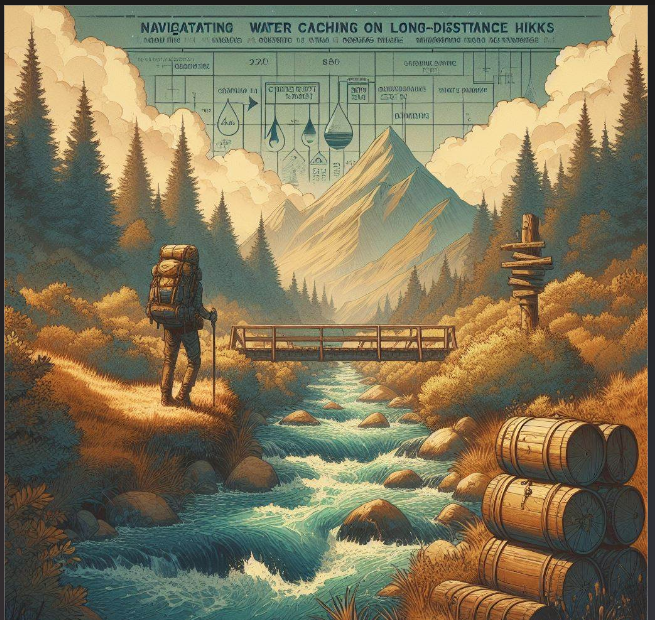
Embarking on a long-distance hike is a dream for many adventure enthusiasts, and traversing arid terrains like the Arizona Trail (AZT) or certain segments of the Pacific Crest Trail (PCT) and Continental Divide Trail (CDT) poses unique challenges, particularly in managing water supplies. In this edition of “Ask a Thru-Hiker,” we delve into the intricacies of water caching, addressing the essential information every hiker should be aware of to ensure a responsible and sustainable approach.
Water Caching Etiquette: In arid terrains, the vast distances between natural water sources often make it impractical to carry sufficient supplies. Many hikers turn to water caching as a solution. What essential information should I be aware of regarding water caching, and is it acceptable to leave empty bottles?
As a seasoned long-distance hiker, my objective is to minimize cache-related litter and ensure responsible practices. While water caching may vary in etiquette, some universal guidelines apply almost everywhere.
- Do Not Solely Rely on Caches: I never rely entirely on a water cache. Regardless of whether it’s self-cached or provided by volunteers, caches are not guaranteed. Meticulous planning, carrying extra water from reliable sources, is crucial to cover emergencies.
- Verify the Legality: Check the legality of caching in the specific area you are hiking. Certain land managers prohibit storing anything, including water, for more than 24 hours. Familiarize yourself with the rules before caching.
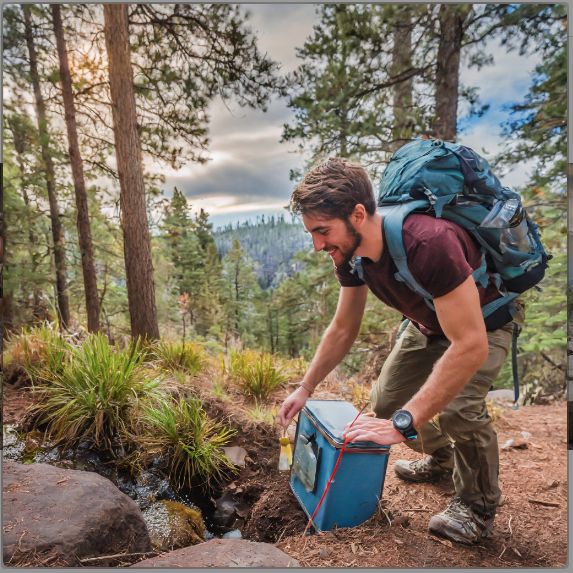
- Secure Placement: Securely place caches in designated areas like bear boxes at trailheads or road crossings. Critter-proof containers should only store water—no food, trash, or unwanted gear. In areas without designated boxes, use string to anchor containers and consider concealing them to prevent interference.
- Label Your Water: Opt for 1-gallon jugs with handles for private caching, and use a Sharpie to inscribe your name, phone number, and estimated time of arrival (ETA) on each jug. This prevents confusion with public water sources.
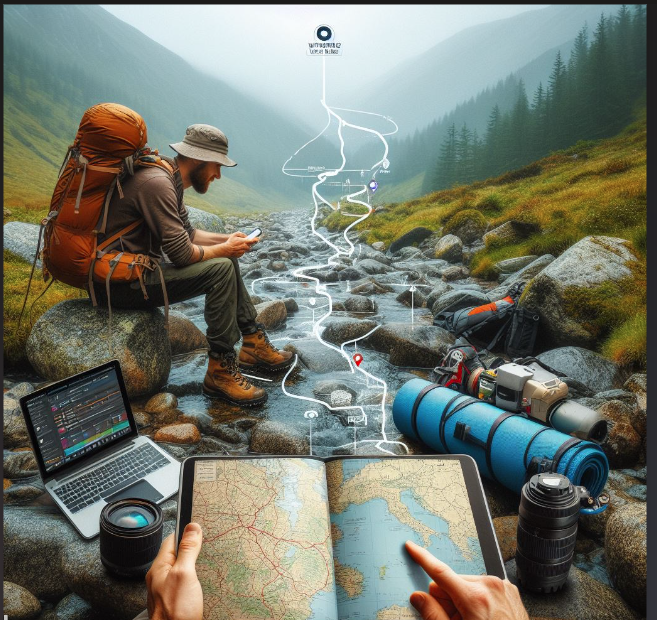
- Track Caches: Use a GPS to record cache locations, aiding retrieval and cleanup if necessary. Sharing coordinates with fellow hikers encourages community cooperation.
- Pack Out Empty Bottles: Adhere to Leave No Trace principles for plastic water containers. Secure empty bottles outside your pack until reaching a suitable disposal point.
- Sharing Remaining Water: If on a trail with water supply boxes, leaving unused water for others is acceptable. Label bottles with “public after this date” to indicate your willingness to share.
- Avoid Caching Food and Gear: Do not cache food and gear with water. This practice attracts wildlife, contributes to backcountry trash, and may be illegal in many areas.
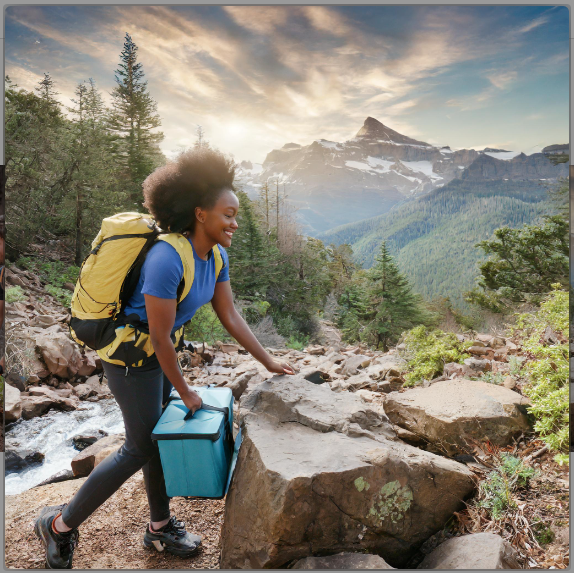
Is Water Caching Necessary in the Desert? While desert trails may pose water challenges, established trails often have volunteer networks providing water for hikers. Checking navigation apps for up-to-date information is essential, but never solely rely on caches.
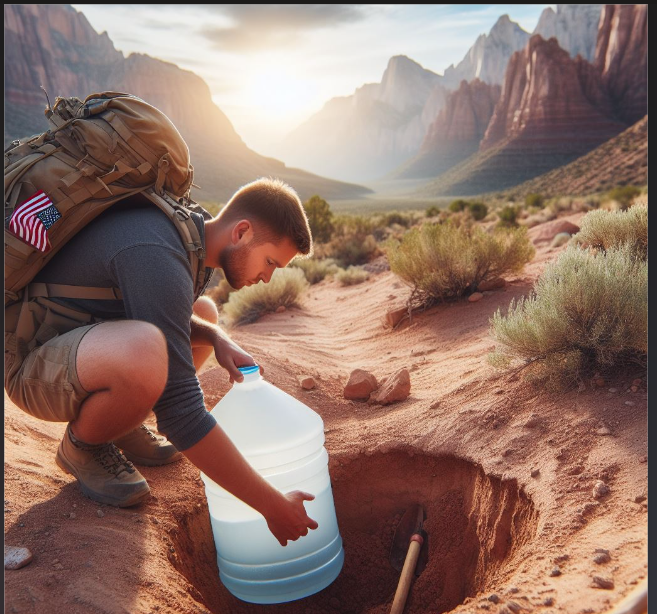
Conclusion: Water caching on long-distance hikes can be a valuable strategy in arid terrains, but it demands extra time, caution, and responsible practices. Upholding Leave No Trace principles and fostering cooperation within the thru-hiker community are crucial for maintaining the support of trail and land managers, particularly as more hikers explore arid trails amidst increasing heat and drought challenges. By following these guidelines, hikers can contribute to preserving pristine wilderness and ensuring the sustainability of long-distance hiking experiences.