When venturing into the great outdoors, mastering the art of shelter crafting is paramount. As a seasoned survival enthusiast, I have learned through experience that shelter is the cornerstone of defense against the unpredictable whims of Mother Nature. In this comprehensive guide, I will share essential insights and tips on crafting shelters – the bastions of protection that can make or break your wilderness experience.
- Shelter First, Always:
The mantra of prioritizing shelter over everything else is a lesson drilled into survival training. Before kindling a fire, focus on crafting a shelter. This approach safeguards against harsh weather, ensuring the success of subsequent survival tasks. Attempting to start a fire in adverse conditions without a shelter is a circus act best avoided.
- Shelter Design Based on Elements:
Understanding the elements you are defending against is pivotal in choosing the right shelter design. Whether facing scorching heat or bitter cold, your choice of shelter becomes a strategic decision. Intelligently escaping the elements involves tailoring your shelter to the specific challenges of the environment.
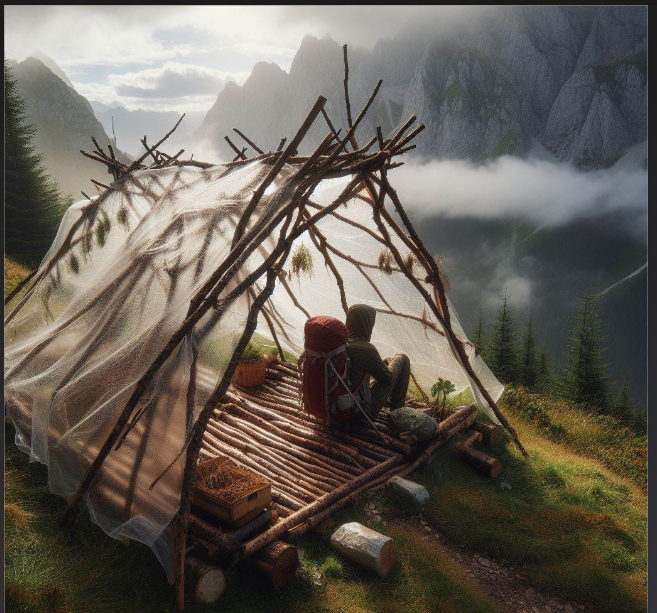
- Immediate Action vs. Long-Term Shelters:
In the survival world, we distinguish between immediate action shelters and those for the long term. Given that the average survival situation lasts about three days, efficiency is key. Focus on constructing down-and-dirty, yet safe and reasonably durable shelters. Time, energy, and materials are precious in the wild.
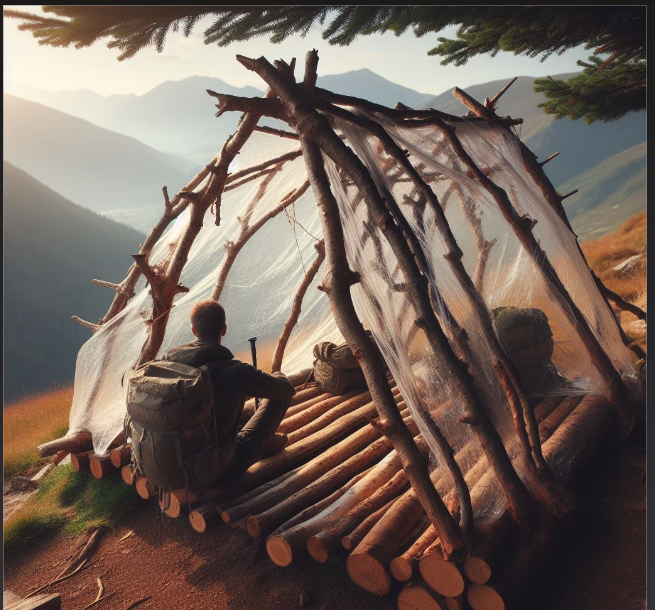
- Diverse Shelter Options:
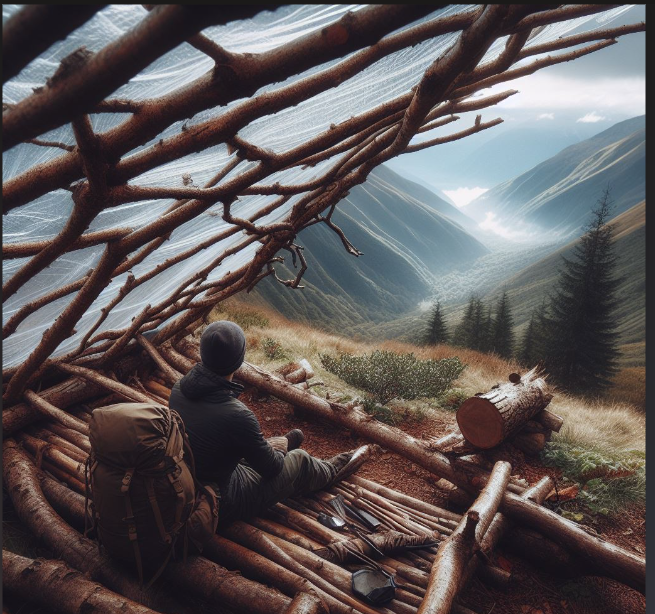
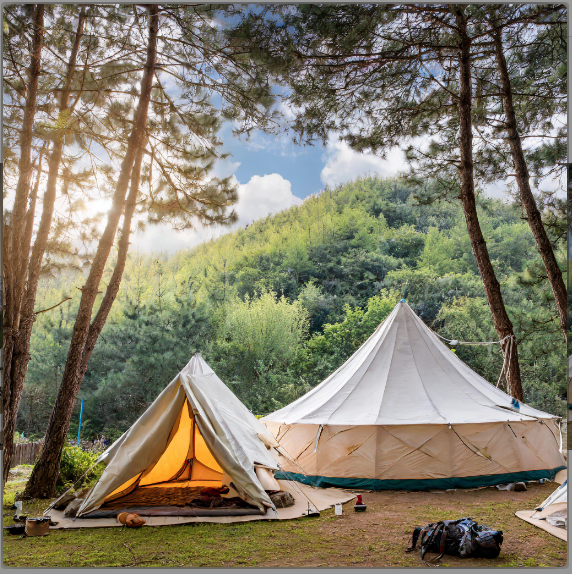
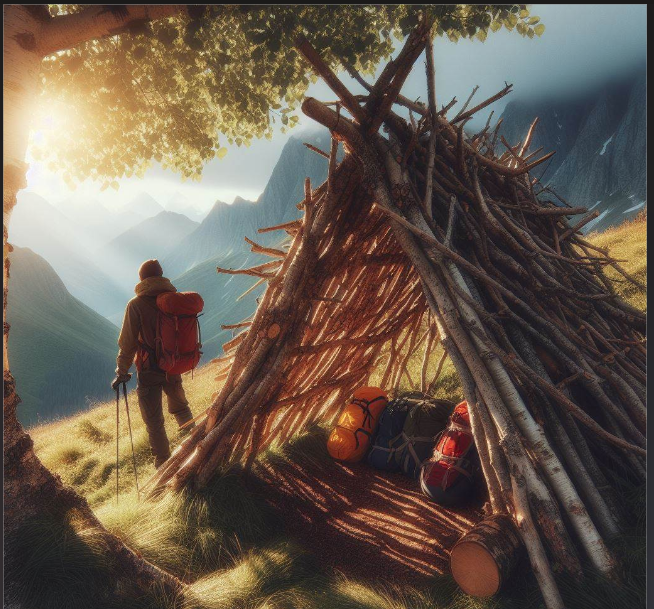
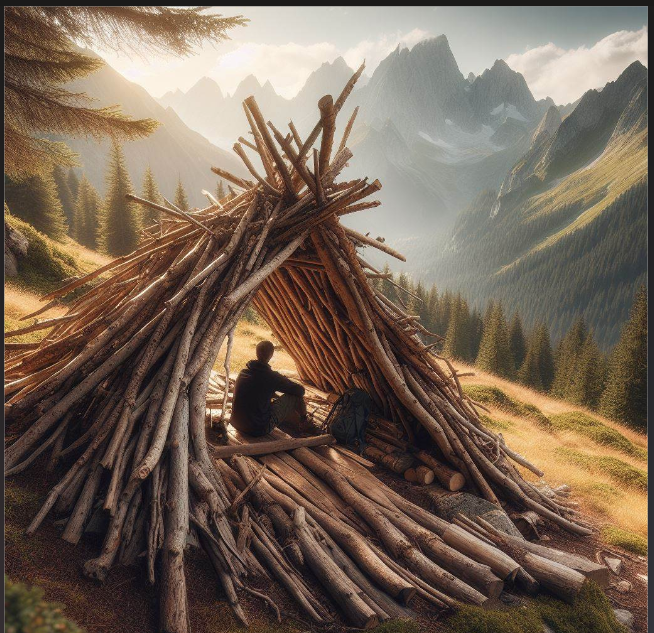
Shelter options are as diverse as the landscapes encountered. From lean-tos and A-frames to tree wells, snow caves, platforms, fans, quinzees, debris huts, wickiups, and teepees – embrace adaptability and resourcefulness. Break free from conventional notions of shelter design and use available materials creatively.
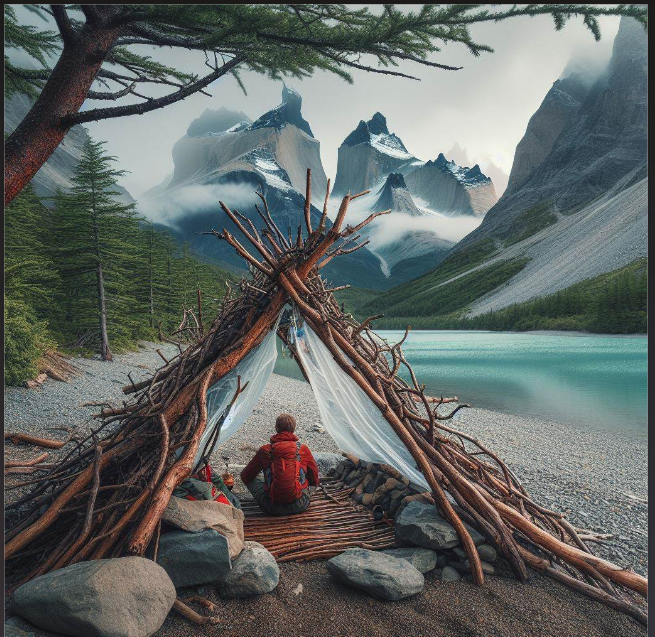
- Construction Essentials:
Measuring the area, preparing the site, and addressing ground insulation are essential steps in shelter construction. Orient entrances strategically against the wind, and secure materials in a shingle-like pattern for rainwater shedding. Crafting a shelter is not just about protection; it’s about creating a living space that harmonizes with the environment.
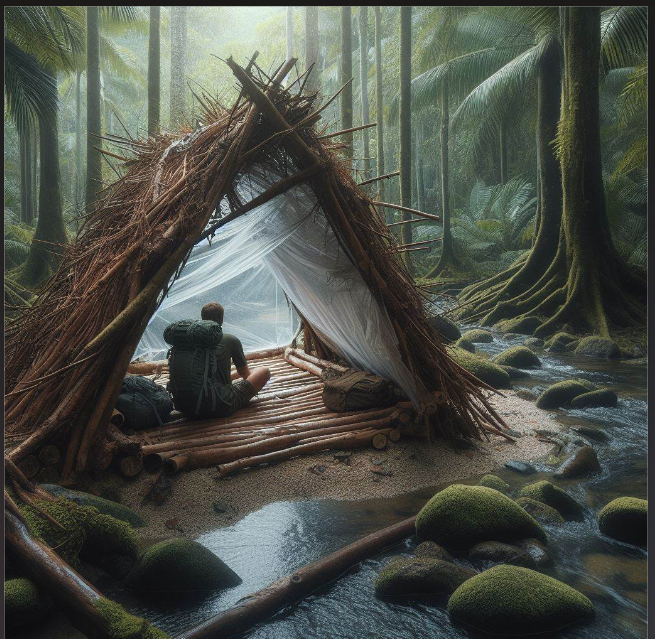

- Living in the Shelter:
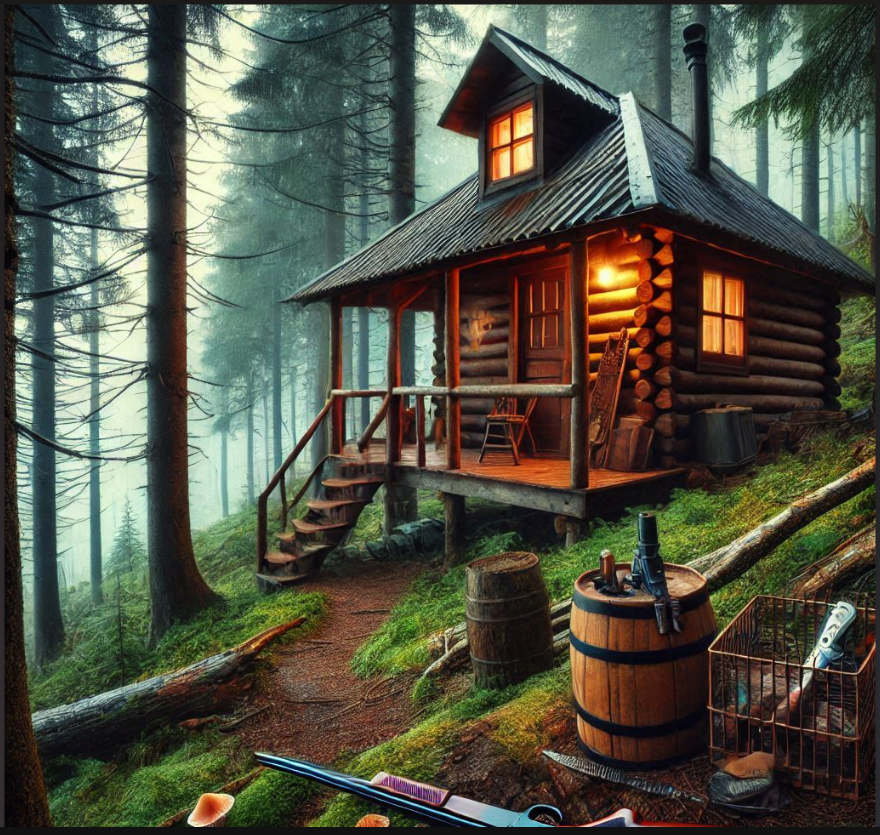
Living in the shelter requires considerations beyond construction. Avoid storing food inside; create a separate critter or bear hang. Keep the shelter clean by brushing off snow, dirt, and crumbs before entering. Strategically place bed logs to prevent midnight rolls for restless sleepers. In insect-heavy zones, a bit of smoke can transform your shelter into a bug-free haven – just exercise caution to prevent a smoky inferno.

Conclusion:
Surviving in the wild is not just about enduring; it’s about embracing the challenge with ingenuity and resilience. Crafting a shelter goes beyond practical necessity; it’s a testament to our ability to thrive in the heart of nature’s unpredictability. The art and science of shelter crafting are your keys to a haven in the great unknown. So, the next time you find yourself in the wilderness, take a moment to appreciate the mastery of shelter crafting – your ultimate sanctuary in the wild.