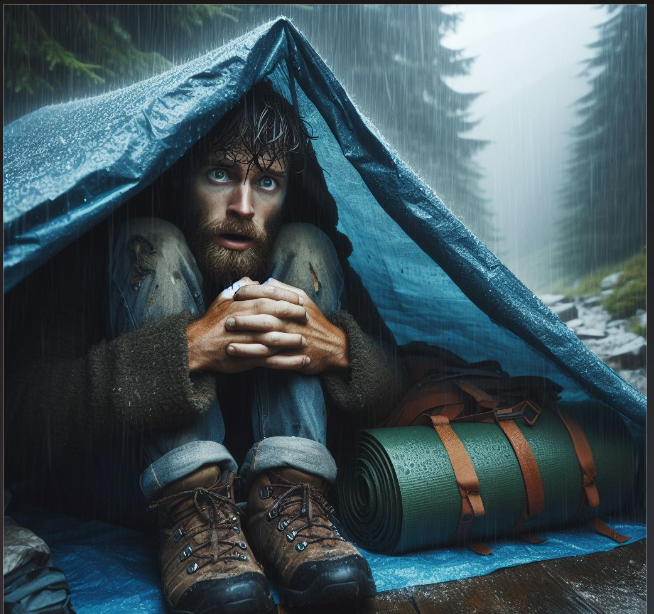
When venturing into the outdoors, it’s crucial to be prepared for unexpected situations. For those times when camping isn’t part of the plan but shelter is a must, choosing the right ultralight emergency shelter becomes paramount. In this article, we’ll explore various options and share valuable insights to help you make informed decisions.
Let’s delve into some tips and recommendations to ensure you’re well-prepared for unexpected challenges.
- Consider Your Intended Use: Before choosing your emergency shelter, consider the situations in which you’re likely to need it. For quick day trips near civilization, a lightweight option like the SOL Emergency Bivvy might suffice. However, for more remote or extended adventures, investing in a more robust option, such as the MSR Pro Bivy, could be a wise choice.
- Packability Matters: Ultralight gear is all about minimizing weight and maximizing packability. The MSR Pro Bivy stands out for its extreme packability, making it an excellent choice for those who prioritize weight savings without sacrificing too much on waterproofing.
- Be Mindful of Condensation: One common concern with emergency shelters is condensation. Some users have reported issues with the SOL Emergency Bivvy, emphasizing the importance of proper ventilation. If condensation is a major concern, opting for a proper tarp with guylines may be a better choice, providing better breathability and versatility.
- Emergency Clothing as a Complement: Remember that an emergency shelter is just one piece of the puzzle. Your clothing plays a crucial role in temperature management. While the SOL Emergency Bivvy provides minimal insulation, combining it with appropriate emergency clothing, such as a lightweight puffy jacket and a rain jacket like the OR Helium, can enhance your overall protection.
- Adaptability in Emergency Situations: In emergencies, simplicity is key. Consider adding a heavier liner bag to your emergency kit, providing an extra layer of insulation and versatility. This combination of a poncho, bivy, liner bag, and essential items like a flashlight, knife, snacks, and a PLB (Personal Locator Beacon) creates a comprehensive yet lightweight emergency kit.
- Visibility and Signaling: The bright orange color of the SOL Escape Bivvy serves a dual purpose. Not only does it trap radiation for added warmth, but it also enhances visibility, making it easier for rescuers to spot you. Combining it with a flashlight and whistle provides additional means to attract attention when needed.
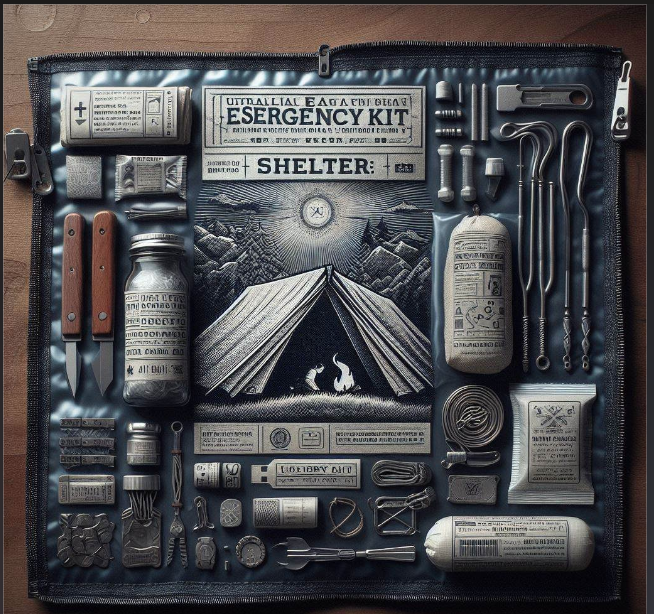
In the realm of ultralight emergency shelters, finding the right balance between weight, functionality, and adaptability is key. Whether you choose a Mylar tarp, bivy, or bothy, tailor your gear selection to your specific needs and the potential challenges you might encounter. With the right equipment and thoughtful preparation, you can navigate unexpected situations with confidence.

- Poncho as a Base: Carrying a versatile poncho is a smart move for makeshift shelter. Before diving into additional options, evaluate the effectiveness of your poncho as a base layer for emergency situations.
- Mylar Tarp, Bivy, or Bothy? The dilemma of Mylar tarp, bivy, or bothy is a common one. The MSR Pro Bivy stands out for its extreme packability, although some question its waterproof capabilities. Consider the trade-offs between waterproofing and weight when choosing your emergency shelter.
- SOL Emergency Bivvy for Quick Returns: For short trips where returning home is the plan, the SOL Emergency Bivvy offers a lightweight solution at $20 and 3.8oz. Explore the range of protective versions available based on your preferences.
- Condensation Concerns: Be cautious of condensation in emergency shelters, particularly in the SOL bivvy. Reviews suggest that its breathability might be overrated, making it suitable for a single night but less reliable for prolonged use.
- Emergency Clothing Matters: In survival situations, your clothing plays a crucial role. Ensure you have a just-in-case minimal puffy, a light rain jacket, and emergency clothing suitable for the conditions you might face.
- Versatility of SOL Escape Bivvy: While the SOL Escape Bivvy may not have a published temperature rating, its versatility as both an emergency item and a makeshift tarp makes it a valuable addition to your emergency kit.
- Objective Analysis of SOL Escape Bivvy: Explore the detailed analysis of the SOL Escape Bivvy, covering specifications, thickness, hydrostatic head, air permeability, and emissivity. Understanding these aspects can help you make an informed decision about its suitability for your needs.
- Best Case Insulation Provided: the metallic surface of the SOL Escape Bivvy provides thermal management, offering an effective R-value up to R-2 when installed with an airspace.
- Considerations for Winter: In colder conditions, complement your emergency shelter with additional items like a down jacket and poncho for better insulation.
- Exploring Alternatives: Evaluate alternatives such as two-person bothy bags, mylar bivvies, or larger tarps based on the conditions you anticipate. Each option has its pros and cons, so choose what aligns with your specific needs.
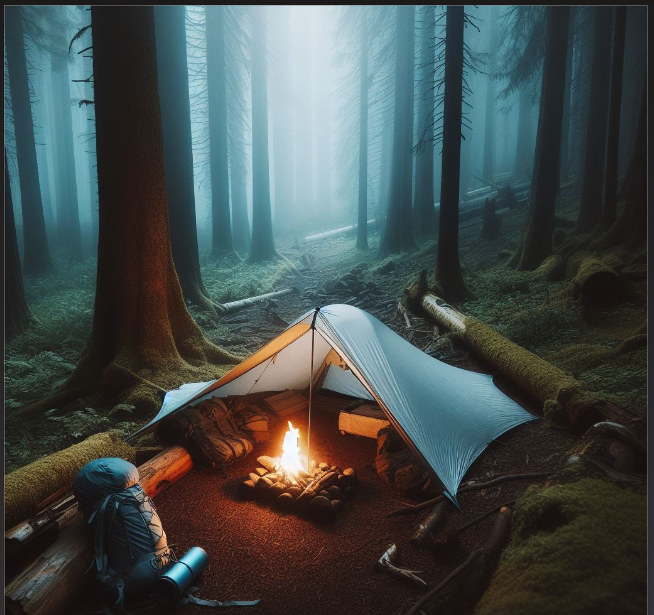
Conclusion: Choosing the right ultralight emergency shelter involves weighing factors like weight, waterproofing, and breathability. Assess your typical outdoor activities, consider potential scenarios, and tailor your emergency shelter kit accordingly. Stay prepared, stay safe!