In the realm of survival skills, few are as universally critical as the ability to build and maintain a fire in the backcountry. Whether you find yourself in the midst of a dense forest, atop a snow-covered mountain, or navigating a desolate desert, mastering fire-building skills can mean the difference between life and death. In this article, we delve into the crucial principles that can significantly enhance your chances of successfully kindling and sustaining a fire in the wild.
Location:
The first and foremost consideration when building a fire in the backcountry is the choice of location. The selected spot can impact the fire’s ease of ignition, its utility, safety, and the cleanup process afterward. In adverse weather conditions, such as rain, it becomes crucial to choose a location where you can construct a shelter over the fire to ensure its initiation and continuation.
Purpose:
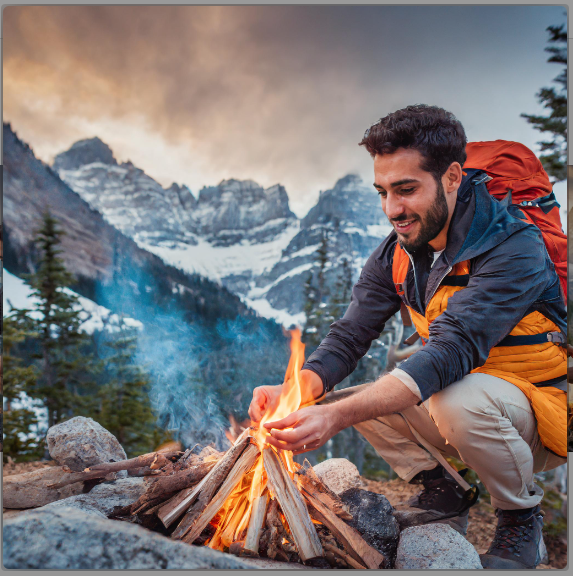
Clearly defining the purpose of your fire is fundamental to making informed decisions about its location and construction. Whether it’s for warmth, light, signaling, cooking, or a combination of these, the intended use will influence where and how you place the fire. For instance, a signal fire requires an open area for visibility, while a fire for warmth and light may be strategically situated near your shelter.
Safety:
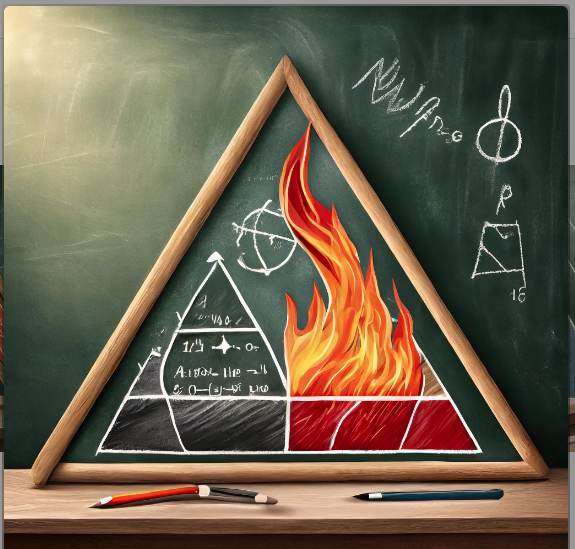
Establishing a safe fire circle is essential for minimizing risks. Clear a circle to bare mineral soil, maintaining a distance of at least 3 feet from the fire’s edge in all directions. In dry conditions, consider using a spark arrester above the fire to prevent sparks from igniting surrounding debris. Be prepared with materials like a hydration bladder, mineral soil, or a large piece of bark to control flames and respond to unforeseen challenges.
Fuel:
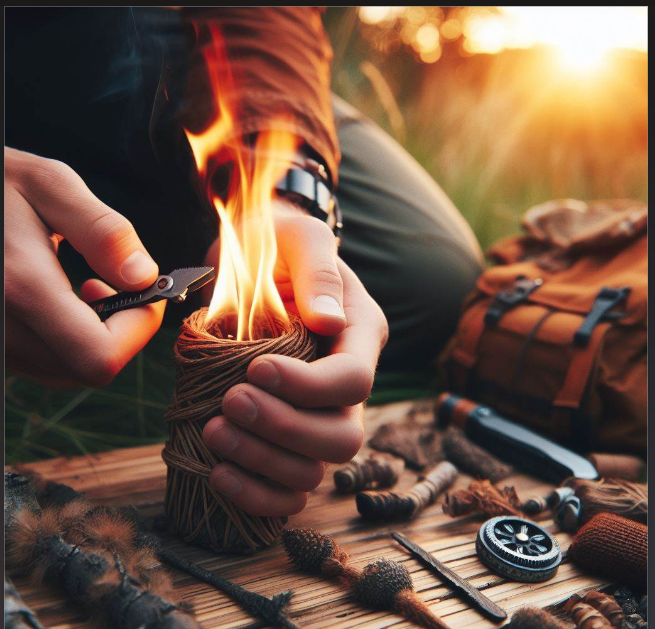
Gathering an ample supply of fuel is critical for the success of your fire. Aim to collect three times the amount needed for each stage of the fire—tinder, kindling, and primary fuel. Beyond traditional materials, explore alternative sources such as oils, dung, grass bundles, repellents, wax, petroleum products, and methane. Differentiate your tinder types, keeping them warm and dry while preparing the fire area and collecting other fuels.
Gathering Fuel:
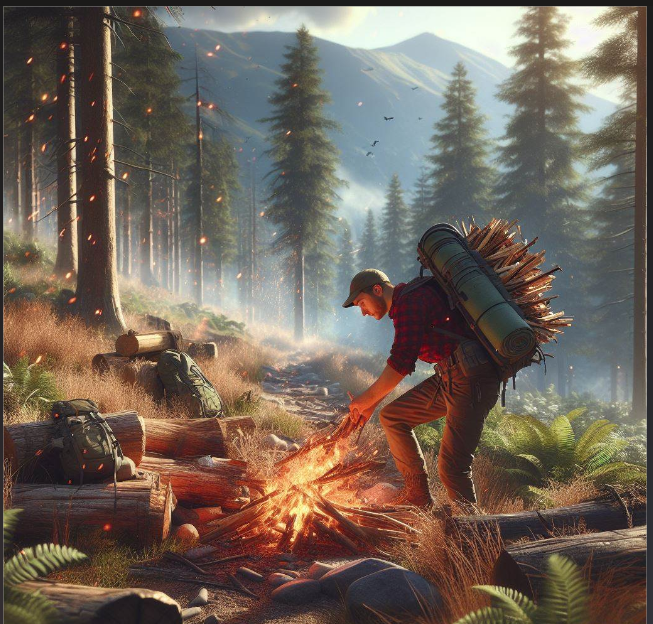
The method of gathering fuel is not arbitrary; uphill gathering is advised to ensure a steady supply. Additionally, the choice between branch fires and split wood fires depends on environmental conditions. Create a fuel buffer around your fire circle to preserve the environment and secure an emergency wood supply for prolonged survival situations.

Building Your Fire:
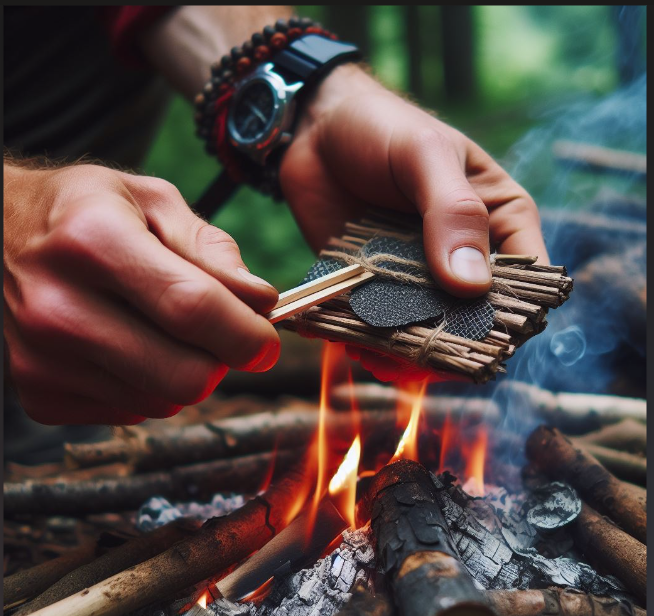
Constructing a stable and efficient fire begins with a well-thought-out plan. Utilize a platform and brace for fire construction, providing a stable base and adjustable support for kindling. A dry, flat piece of bark can serve as an excellent platform, while a forearm-diameter branch functions as a brace, supporting the structure.

Ignition:
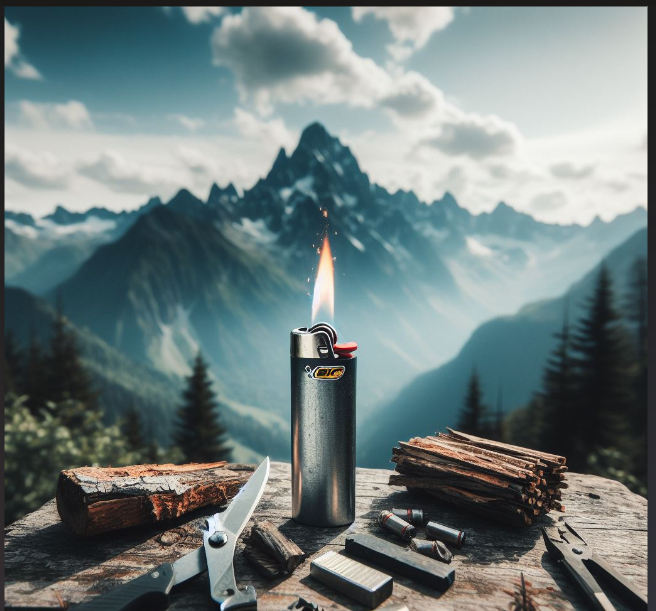
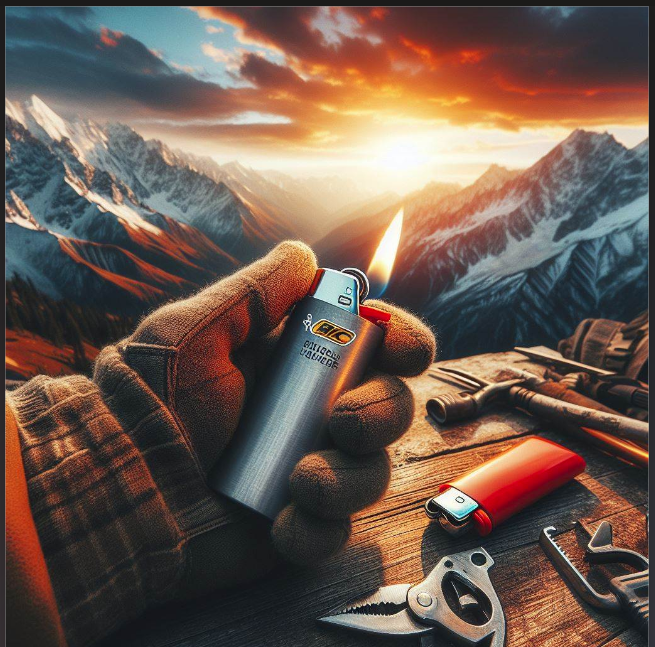
Diversify your ignition sources and carry multiple methods, including lighters, ferro rods, matches, or fresnel lenses. Understand the limitations of each, such as the need to warm up a cold butane lighter before use. Regular practice with various ignition sources enhances your adaptability in diverse situations.
Extinguishing the Fire:
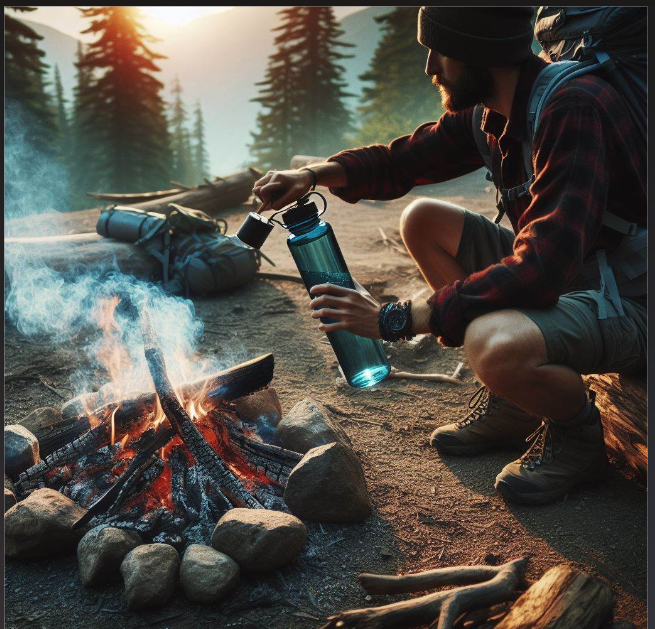
Responsible fire-building includes proper extinguishing techniques to minimize environmental impact. Burn the fuel down to white ash before extinguishing to avoid leaving unsightly remnants. Spread out and flatten the coal bed using small pieces of wood, stirring gently and fanning as needed. Add water or soil to fully extinguish the fire, ensuring the area is cold to the touch before scattering cleared debris to make it look natural.
Conclusion:
Mastering fire-building skills is an art that combines knowledge, adaptability, and practical experience. In backcountry scenarios, where resources are limited and weather conditions unpredictable, these principles can significantly enhance your ability to stay alive and navigate the challenges of the wilderness. Regular practice and a deep understanding of these fundamentals will empower you to not only survive but thrive in the face of adversity.