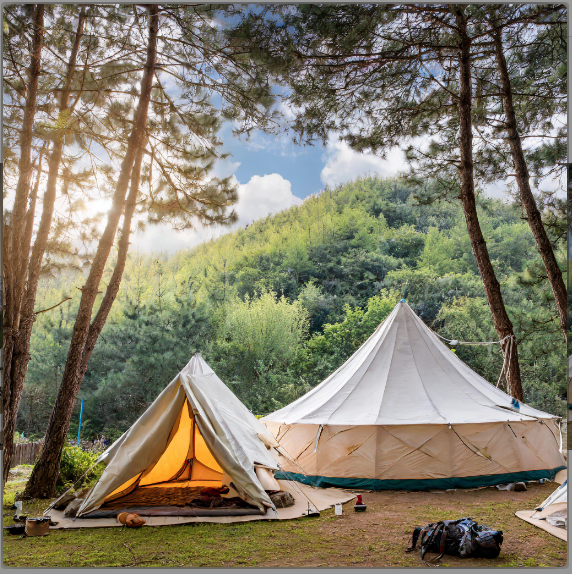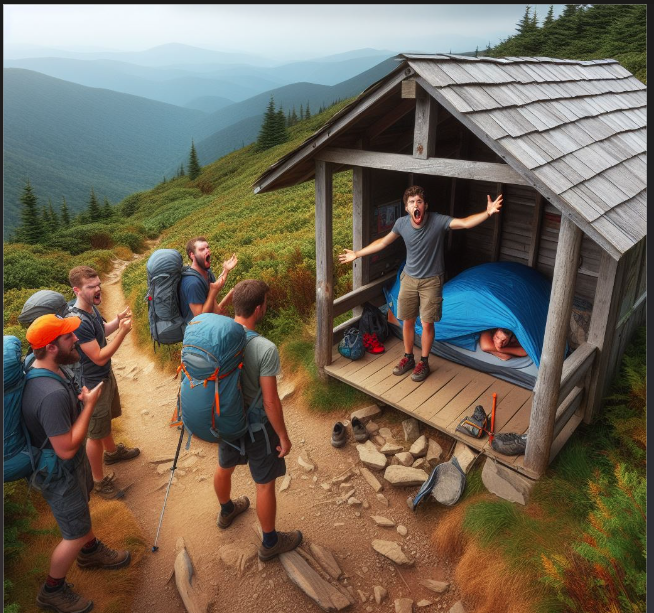
Setting up a personal tent within a communal shelter has become a topic of debate among hikers, sparking discussions about trail ethics and the dynamics of shared backcountry spaces. While the practice may seem harmless to some, it raises questions about considerations for fellow hikers and the essence of communal shelter etiquette.
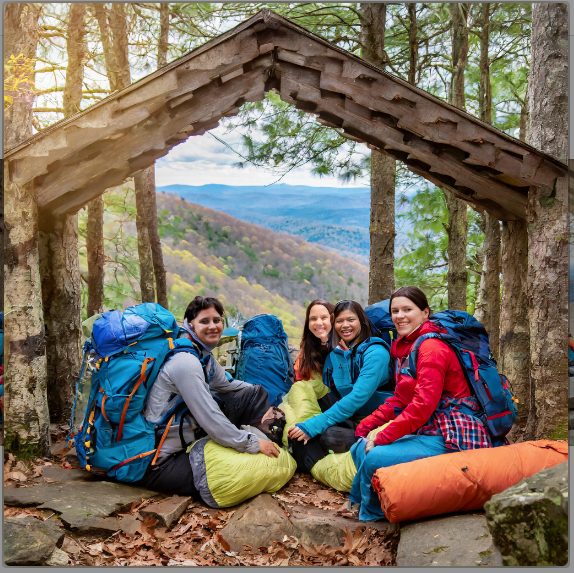
Understanding Communal Spaces: Communal shelters, especially along popular trails like the Appalachian Trail (AT), serve as shared spaces for weary hikers seeking refuge. These structures are designed to accommodate multiple individuals, fostering a sense of community among backpackers. However, as these spaces fill up quickly, tensions can arise if users fail to observe proper trail etiquette.
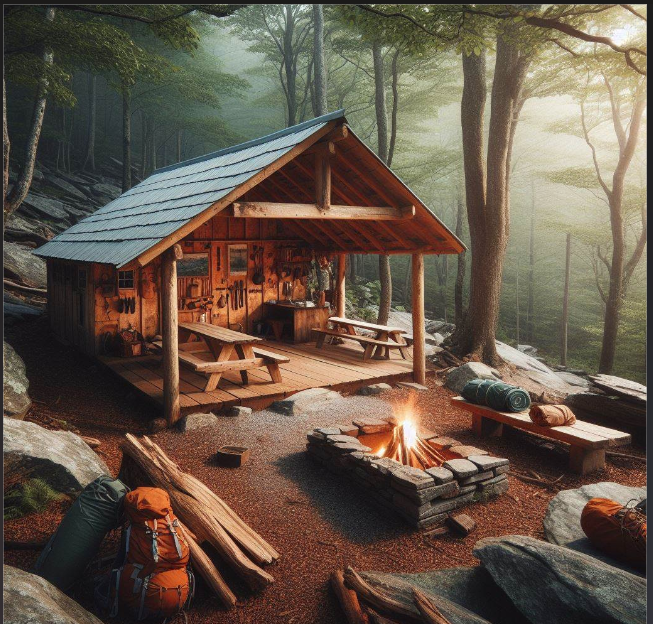
The Crowded Scenario: An anecdote from a crowded night at the Guyot Shelter on New Hampshire’s Pemigewasset Loop illustrates the challenges of shared backcountry spaces. The tale of a stressed dog left behind by its owners reflects the importance of being considerate and mindful of fellow campers. It serves as a reminder that shared spaces require a level of responsibility and courtesy to maintain a positive experience for everyone.
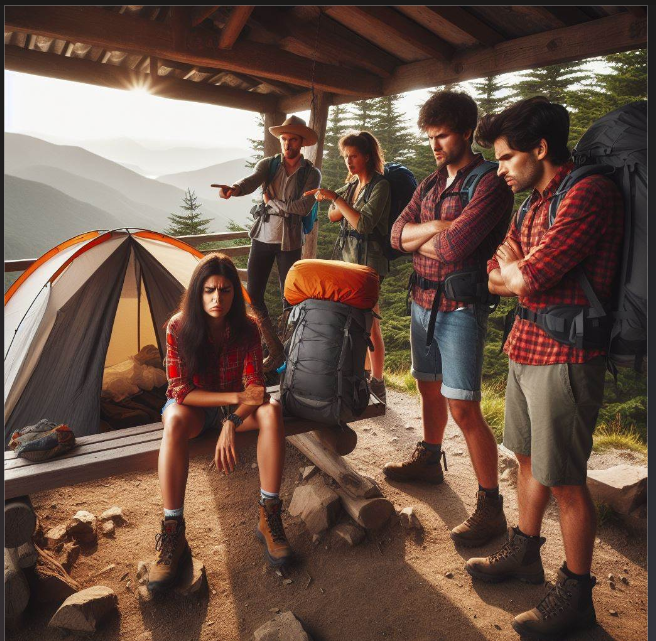
Consideration for Thru-Hikers: Thru-hikers, who cover extensive distances on long-distance trails like the AT, often rely on shelters for a quick and comfortable rest. While it’s not about one hiker having more rights to shelter space than another, it’s essential to recognize the needs of those who have covered substantial daily miles. Choosing to pitch a tent in an open area rather than inside a shelter can free up space for those who genuinely need the refuge.
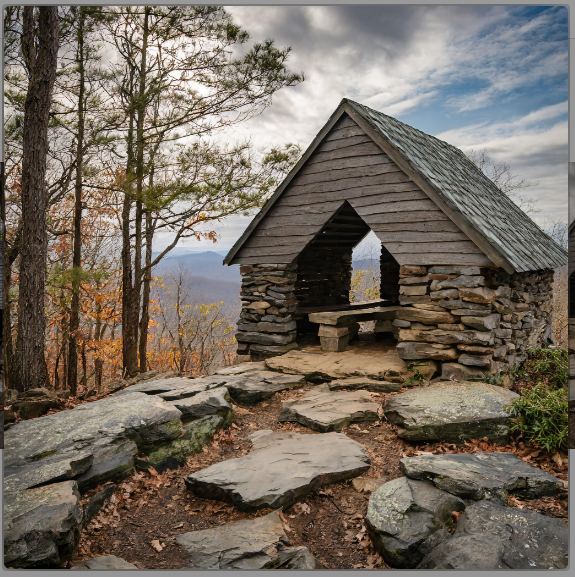
Space Perception and Navigation: The perception of space within communal shelters becomes crucial in understanding the concerns raised by avid backpackers. While a tent may not seem much wider than a couple of sleeping pads from the inside, it can appear significantly larger in a cramped shelter. Navigating around a tent in the middle of the night poses challenges for fellow hikers, impacting the overall experience for everyone involved.
Trail Organizations’ Perspectives: Even organizations like the Appalachian Trail Conservancy discourage the practice of setting up tents inside shelters due to the space they occupy. Recognizing and respecting such guidelines can contribute to a smoother and more harmonious backpacking experience.
Social Atmosphere vs. Privacy: Choosing between a shared shelter and the privacy of a tent depends on personal preferences. Many backpackers appreciate the social atmosphere of communal shelters, embracing the community vibes that come with shared spaces. However, those seeking more seclusion should consider alternatives to communal shelters to ensure a better match with their preferences.
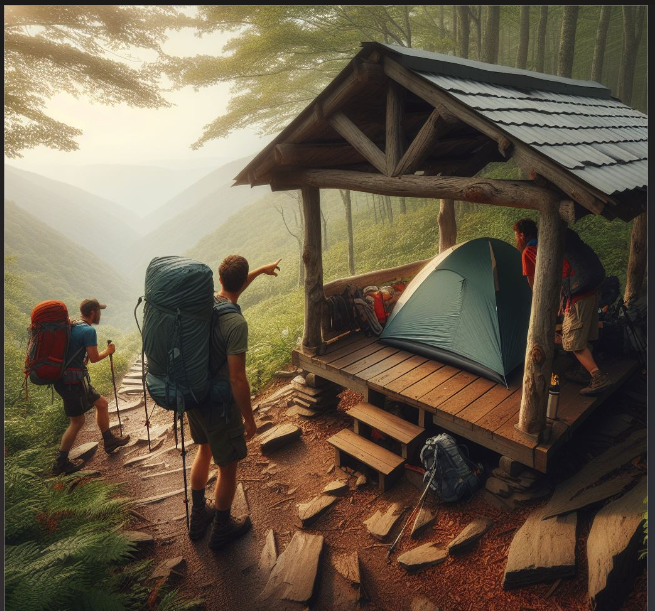
Special Circumstances: There are instances where setting up a tent inside a shelter may be acceptable. In extreme weather conditions, such as winter storms with blowing snow and gusty winds, the added warmth and protection of a tent may be crucial for survival. In such cases, hikers are encouraged to pitch their tents responsibly, leaving ample space for potential late-night arrivals.
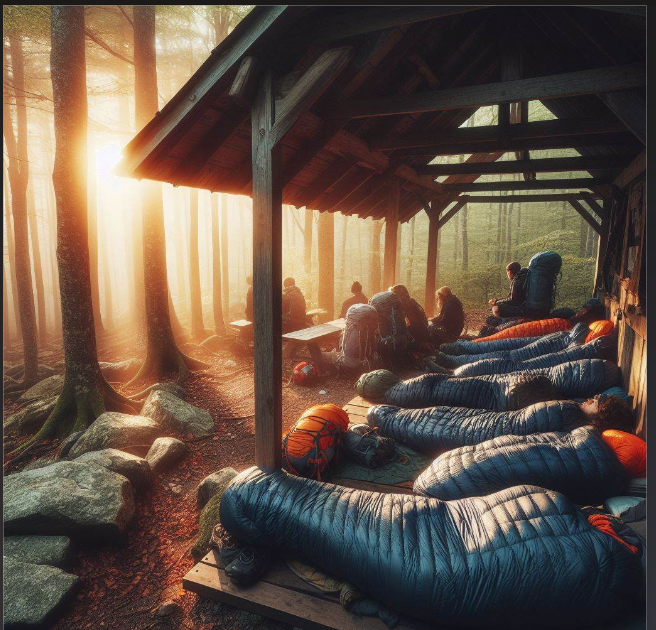
Conclusion: Navigating communal shelters with tact and treadiquette is crucial for fostering a positive and considerate hiking community. While setting up tents inside shelters may seem harmless to some, understanding the perspectives of fellow hikers and adhering to trail etiquette ensures a more enjoyable and harmonious backcountry experience for all. Balancing the need for personal comfort with a sense of communal responsibility is key to creating a welcoming environment for everyone on the trail.