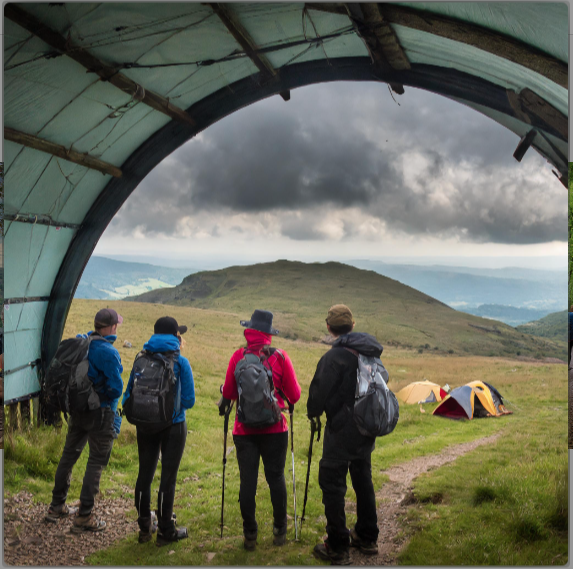
Embarking on a Northbound (NOBO) thru-hike is an exhilarating adventure, but selecting the right shelter is a crucial decision that can significantly impact your experience. With the unpredictable conditions of storms and varying bug pressures along the trail, finding a balance between protection, weight, and comfort becomes paramount. Let’s delve into some considerations and potential shelter options.
Current Shelters: MSR Hubba NX and Kammok Mantis UL Hammock
Your current shelters, the MSR Hubba NX and Kammok Mantis UL Hammock, offer distinct advantages and trade-offs. The MSR provides robust protection but comes with a weight penalty, while the hammock offers comfort but is often discouraged for thru-hikes. Understanding the pros and cons of each is key to making an informed decision.
MSR Hubba NX: This tent, known for its durability, has proven itself in various conditions. To trim weight, consider swapping the footprint for Tyvek and re-seam-sealing. This can significantly reduce the overall weight without compromising too much on protection.
Kammok Mantis UL Hammock: Though unconventional, hammock camping can be comfortable and feasible. The 2019 CDT thru-hiker’s experience showcases that it’s possible, but he eventually switched to a tent in New Mexico. Consider sending a gear box for a possible switch if needed.
Potential Upgrades: Tarps, Mids, and Bug Nets
If you decide to explore other options, tarps, mids (pyramid-style shelters), and bug nets present themselves as viable alternatives.
Tarps: Light and modular, tarps offer the least protection against storms and bugs. Options like the MLD Grace or GG Twinn provide lightweight and versatile choices. Consider your willingness to sacrifice some comfort for the simplicity and weight savings of a tarp.
Mids: Pyramid-style shelters, like the Yama Cirriform 1P Silpoly or the Six Moon Designs Deschutes Tarp, strike a balance between storm protection and weight. The Deschutes Tarp, in particular, features a mesh skirt to fend off bugs. However, mids might not be the best choice for bug-heavy regions.
Bug Nets: Combining a tarp with a bug net, such as the Sea to Summit Nano Bug Net, can be a modular solution. This way, you can adapt to bug pressure when needed without compromising on storm protection.
Considerations for Hammock Camping and Bug Pressure
Hammock Camping: While hammock camping is comfortable, its feasibility depends on personal preference and the trail conditions. Testing it out in central New Mexico or the Gila can help you gauge its suitability for your thru-hike. Consider potential challenges in high-altitude and cold conditions, especially in the San Juans.
Bug Pressure: Bug pressure varies along the trail. Notable bug-heavy areas include northern Colorado, the Wind River Mountains, and northern Wyoming. The majority of New Mexico and the desert parts of Wyoming are generally bug-free. Plan accordingly by carrying a bug net or selecting a shelter with built-in bug protection when needed.
Temperature Considerations and Gear Adjustments
Night temperatures at altitude are consistently cold and windy. The San Juans, in particular, can be freezing. While a tent or tarp can provide additional warmth, be prepared for chilly nights. Experimenting with gear in varying conditions and adjusting as needed is crucial for a comfortable journey.
Closing Thoughts: Striking a Balance
Ultimately, your choice of shelter should strike a balance between protection, weight, and comfort. A tent or tarp with bug protection seems practical given the potential bug pressure and the need for warmth in certain sections of the trail. As you strip down your MSR tent to trail weight, carefully weigh the benefits and drawbacks of each shelter type, keeping in mind the diverse conditions you’ll encounter during your NOBO thru-hike. Happy trails!