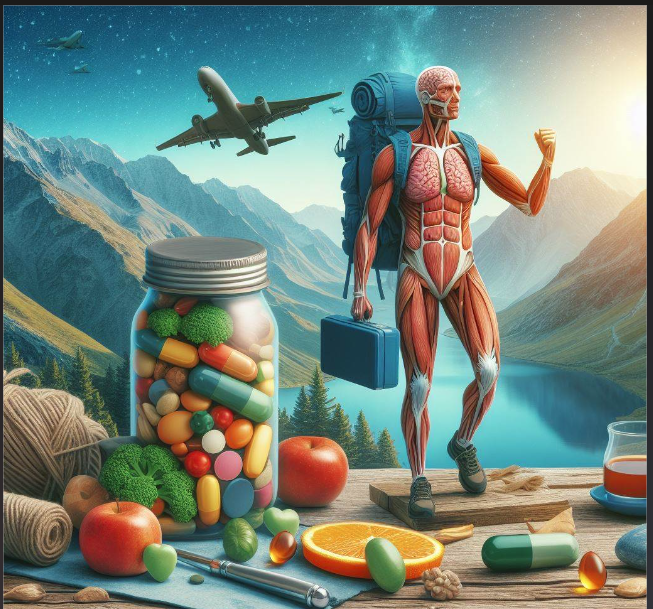
The decision to bring multivitamins on a thru-hike is subjective and can vary based on individual preferences and experiences. Many hikers have shared their perspectives, highlighting both the benefits and considerations associated with carrying multivitamins.
Benefits of Multivitamins:
- Nutritional Supplement: Long-distance hiking often involves a trail diet that may lack certain essential nutrients. Multivitamins can serve as a convenient way to supplement the nutritional gaps and ensure the body receives a broad spectrum of vitamins and minerals.
- Convenience and Assurance: Multivitamins offer a convenient and compact solution to ensure you are getting a baseline of essential nutrients, especially when resupplying in areas with limited healthy food options.
- Joint and Muscle Health: Some hikers choose to take specific vitamins such as vitamin D, vitamin E, zinc, and magnesium for joint and muscle health. These supplements aim to address the physical demands of thru-hiking.
- Insurance Against Deficiencies: Thru-hiking involves a significant physical commitment, and carrying multivitamins can act as a form of insurance against potential deficiencies that may arise due to the limitations of trail diets.

Considerations and Alternatives:
- Electrolytes: Many hikers emphasize the importance of electrolytes, especially after experiences with excessive perspiration. Electrolyte supplements can be an alternative or complementary option to multivitamins, addressing specific needs related to hydration and mineral balance.
- Fresh Produce and Dehydrated Snacks: Some hikers opt for a more natural approach by carrying dehydrated fruits and vegetables. While these may not replace all the benefits of multivitamins, they offer a lightweight and trail-friendly source of essential nutrients.
- Diet Adjustment: A few hikers suggest that the body adjusts to the trail diet over time. While the initial weeks might feel challenging, the adaptation process may reduce the need for multivitamins as the hike progresses.
- Consultation with a Physician: Before making a decision, it is advisable to consult with a healthcare professional. They can provide personalized advice based on individual health needs, ensuring that any chosen supplements align with specific requirements.
Balanced Perspective on Studies:
Hikers discuss the limitations of studies on multivitamins, highlighting the importance of considering individual circumstances. Some argue that the studies focused on healthy individuals with balanced diets might not be directly applicable to the unique nutritional challenges faced during a thru-hike.
Understanding why vitamins and minerals matter is crucial for appreciating their role in supporting normal growth and bodily functions. These essential substances play a fundamental role in maintaining health, and their significance lies in various key functions within the body.

1. Facilitating Crucial Chemical Reactions:
- Vitamins and minerals play a pivotal role in catalyzing and facilitating essential chemical reactions within the body. They act as cofactors and catalysts, ensuring that various biochemical processes occur efficiently. For example, vitamin C is vital for collagen synthesis, a process essential for skin health and wound healing.
2. Acting as Building Blocks:
- Certain vitamins and minerals serve as building blocks for various biological structures within the body. For instance, calcium is integral for bone health and structure, while iron is a crucial component of hemoglobin, the protein responsible for transporting oxygen in the blood.
3. Micronutrients vs. Macronutrients:
- Nutritionists categorize vitamins and minerals as “micronutrients” to distinguish them from macronutrients like proteins, carbohydrates, and fats. While macronutrients provide the energy required for daily activities, micronutrients are equally essential but needed in smaller quantities.
4. Supporting Macronutrient Processing:
- Micronutrients play a vital role in the proper processing of macronutrients. Imagine macronutrients as the fuel in your car’s engine. Micronutrients, on the other hand, can be likened to the motor oil, coolant, and battery fluid – necessary for the smooth functioning and longevity of the engine.
5. Holistic Approach to Nutrition:
- Incorporating a variety of vitamins and minerals in the diet ensures a holistic approach to nutrition. Each micronutrient contributes uniquely to overall health, and deficiencies can lead to a range of health issues. For instance, insufficient intake of vitamin D can impact bone health, while inadequate iron levels may result in anemia.
In summary, the significance of vitamins and minerals lies in their multifaceted roles as catalysts, building blocks, and essential components for bodily functions. Recognizing the importance of micronutrients alongside macronutrients is key to maintaining a balanced and health-supportive diet. They collectively contribute to the intricate machinery that keeps the body running smoothly and efficiently. The decision to bring multivitamins depends on personal preferences, dietary habits, and individual health considerations. Exploring a combination of options, such as electrolytes, natural snacks, and occasional multivitamin use, may provide a balanced approach to maintaining nutritional health during a thru-hike.