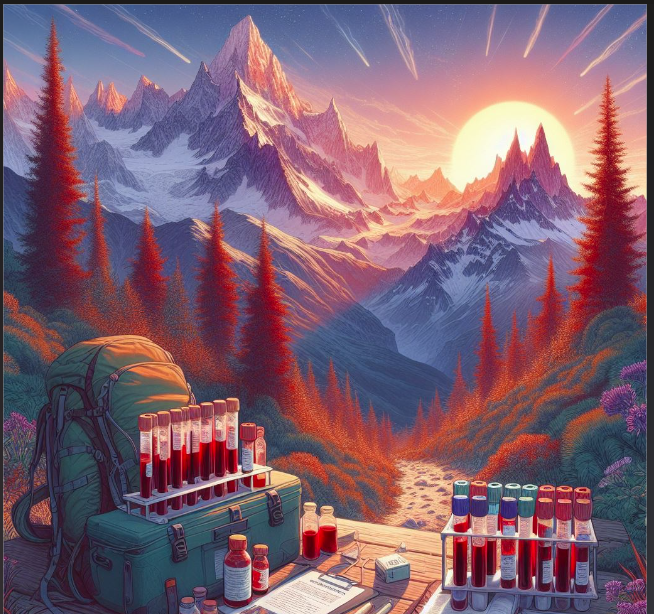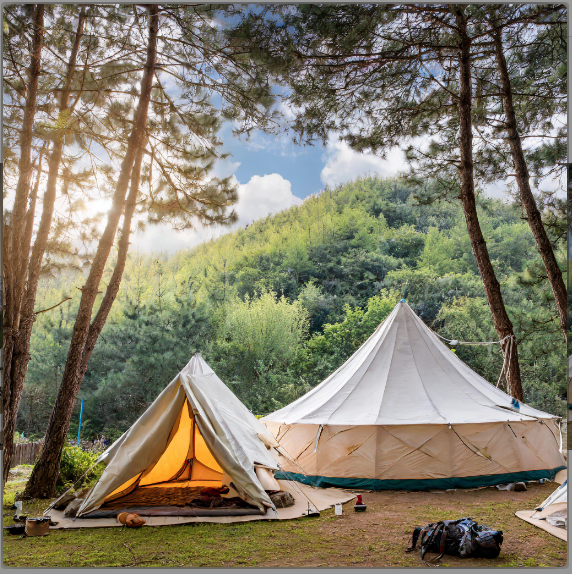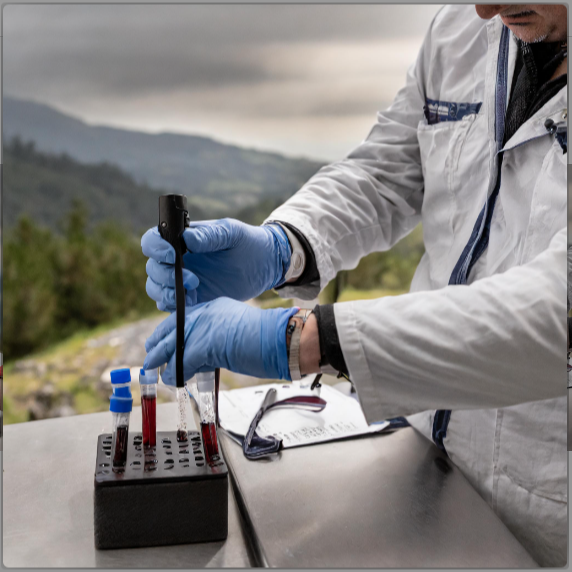
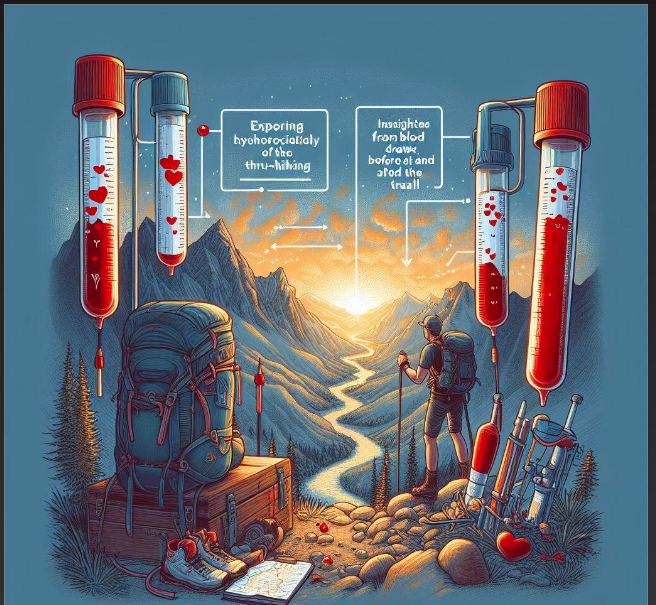
Thru-hiking, involving prolonged physical exertion and exposure to varying environmental conditions, offers a unique opportunity to investigate the impact of such adventures on the body’s physiological parameters. One intriguing aspect is the analysis of blood draws before and after the trail, providing valuable insights into the changes that occur during an extended period of physical stress.
Embarking on an extensive thru-hike, spanning miles of challenging terrain, can elicit a post-experience sentiment similar to that felt by triathletes completing a grueling CDT, AT or CDT hike. Regardless of age, the aftermath of a thru-hike may leave one feeling aged. If you’ve ever conquered a thru-hike, you’re familiar with the sensation – stiffness pervades, and energy levels wane. Getting up from a chair becomes a deliberate process, and the elevator often trumps the stairs. Indeed, a thru-hike exerts a substantial toll on the body.
From a physiological standpoint, the perception of a thru-hike as an abrupt aging process finds some validity. There exists a notable overlap between the physiological changes induced by a thru-hike’s 12 hours of relentless exertion and certain aspects of the aging process that unfold over two decades of inactivity. Notably, the cellular damage triggered by free-radical molecules stands out as just one example. Encouragingly, unlike the irreversible biological aging process, the toll exacted by a thru-hike is reversible. A few weeks of gentle recovery, and you’ll find yourself restored to your youthful self, contemplating the prospect of embracing the challenge once again.
Let’s delve into a detailed examination of the bodily transformations that unfold during and after a thru-hike, exploring various facets of anatomical responses. This exploration not only fosters a deeper appreciation for the accomplishment of completing a thru-hike but also offers practical insights for gracefully navigating the challenges of your next long-distance trek.
Hormonal Imbalances and Thru-Hiking:
The discussion begins with a personal account of hormone panel results post-thru-hike, particularly focusing on testosterone levels. The significant decrease in testosterone after an extended hiking period is linked to feelings of depression, loss of energy, and low mood. Drawing parallels with military training, the conversation highlights the shared experience of hormonal imbalances between thru-hikers and military personnel subjected to intense physical stress.
Nutritional Factors:
The impact of Dollar General on vitamin levels raises questions about the role of diet in the overall health of thru-hikers. While diet is acknowledged as a potential contributor, the emphasis shifts to broader factors such as inflammation, cortisol, and other stress-related elements associated with prolonged hiking. This multifaceted perspective adds depth to the understanding of nutritional influences on hormonal health.
Vitamin D Deficiency and Environmental Factors:
The conversation expands to discuss Vitamin D deficiency, particularly in the context of military environments like submarines and poorly designed buildings. The narrative highlights the broader implications of lifestyle and environmental factors on health, emphasizing the interconnectedness of physical well-being and external conditions.
Resting Heart Rate and Inadequate Rest:
A noteworthy observation is the raised resting heart rate reported by many thru-hikers. The theory is proposed that the physical toll of long-distance hiking may not be adequately countered by the rest obtained, opening a pathway for further exploration into the intricacies of recovery during extended hiking expeditions.
Health Screenings and Practical Monitoring:
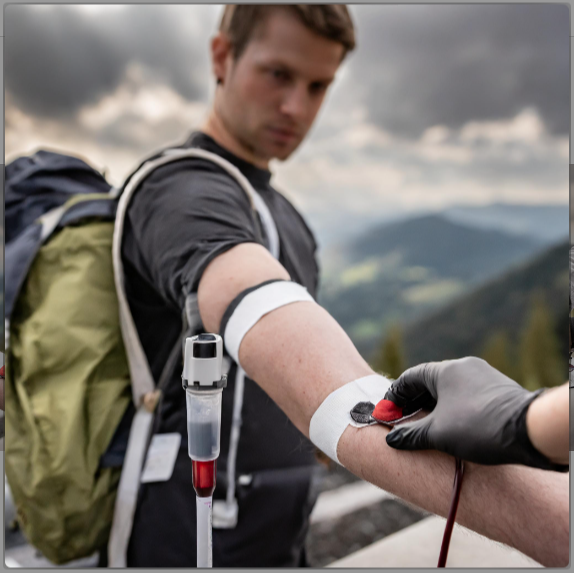
The dialogue introduces practical approaches for health monitoring, including affordable options at Labcorp and Quest Diagnostics for post-trail screenings. The recommendation of Inside Tracker as a comprehensive analysis tool adds a practical dimension to the conversation, providing thru-hikers with accessible means to monitor and address their health proactively.
Personal Anecdotes and Relatability:
Personal anecdotes about high cholesterol, iron deficiency, and the impact of plant-based diets contribute to the relatability of the discussion. The variety of health markers discussed, including LDL and HDL cholesterol, iron, and vitamin levels, underscores the complexity of the body’s response to prolonged physical exertion.
Case Study and Realism:
The inclusion of a case study and a nurse’s experience, complete with blood work data before and after a hike, brings a touch of realism to the discourse. The acknowledgment of individual variations and the importance of context in interpreting test results showcase a nuanced understanding of health monitoring in the context of thru-hiking.
Conclusion:
The comprehensive exploration of blood draws before and after a trail weaves together personal anecdotes, scientific insights, and practical health advice, creating a rich tapestry of ideas and considerations. This discussion not only sheds light on the physiological impact of thru-hiking but also offers valuable guidance for those embarking on such adventures, emphasizing the importance of holistic health monitoring.