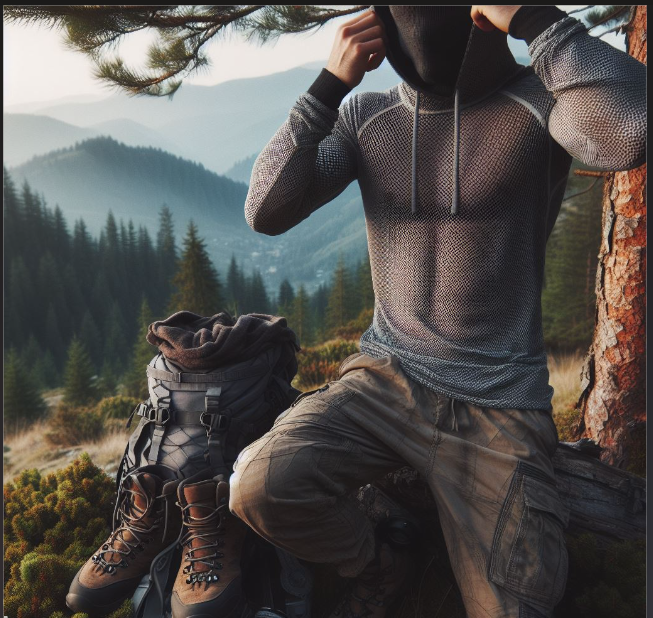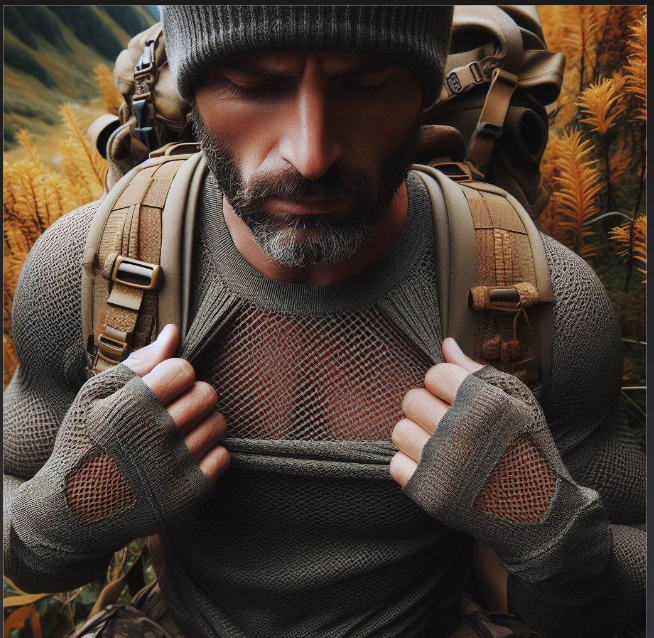
When it comes to choosing base layers for outdoor activities like hiking, most people immediately think of traditional materials like wool or synthetics. However, a niche but growing trend in the hiking community involves the use of mesh base layers. While not as mainstream, these breathable and innovative garments have gained a loyal following for their unique combination of warmth, breathability, and bug protection. In this article, we’ll explore the benefits and considerations of using mesh base layers for hiking, drawing insights from the experiences of avid hikers who swear by them.
Personal Experience: The author shares a two-decade-long journey with Wiggy’s mesh base layers, expressing surprise at the scarcity of fellow hikers using similar gear. Despite this, the author attests to the effectiveness of mesh layers in providing warmth during cold weather, even down to 5 degrees Fahrenheit. The active gear setup consists of a mesh base layer, a second layer with finer mesh resembling bug netting, and a windshirt. The author highlights the quick thermo-regulation capabilities of mesh, allowing for rapid cooling by opening ventilation zips. Furthermore, mesh layers seem to mitigate the development of persistent cold spots compared to synthetics or wool.
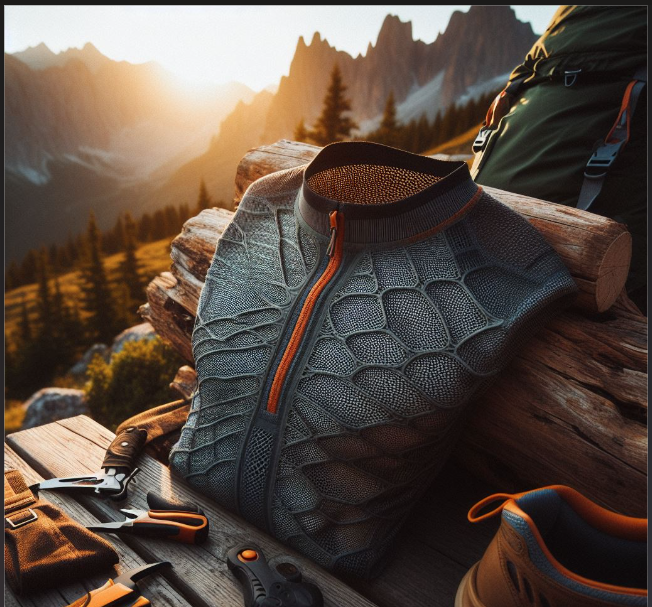
Thermo-regulation and Bug Protection: One of the key advantages of mesh base layers is their ability to regulate body temperature efficiently. Hikers report that mesh layers offer a quick and effective means of cooling down by allowing for increased ventilation. This feature becomes particularly beneficial during warmer seasons, helping hikers stay comfortable and dry. Additionally, mesh layers serve a dual purpose for some users, providing effective bug protection. Treating the second layer with permethrin creates a barrier against insects, making it a practical choice for those hiking in bug-prone environments.
Community Insights: The article incorporates insights from other hikers who share their experiences with mesh base layers. One hiker praises the Brynje minero wool mesh base layer as a game-changer, especially in maintaining warmth and dryness during rest breaks after sweating. Another hiker recommends the Montbell zeo line cool mesh, noting its more intricate weave style compared to Brynje. While praising its affordability, the hiker mentions potential neck chafing if the mesh layer stays wet or sweaty.
Addressing Concerns: The article addresses common concerns associated with mesh base layers, such as the potential for mosquito bites. Hikers suggest putting a plain weave shirt over the mesh layer and treating it with permethrin to create an effective mosquito barrier. This workaround allows for bug protection without compromising the breathability of the mesh layer.
Conclusion: In conclusion, mesh base layers for hiking may be a lesser-known choice, but they offer a unique set of benefits. From efficient thermo-regulation to bug protection, these layers have garnered a dedicated following among hikers who appreciate their versatility. As the outdoor community continues to explore innovative gear options, mesh base layers are proving to be a valuable addition to the arsenal of those seeking comfort, performance, and adaptability on the trail.