Ensuring your tent is waterproof is crucial for a comfortable camping experience. Seam sealing is a vital step to prevent water from seeping through the seams, keeping you dry during unexpected rain showers. This guide will provide step-by-step instructions, pro tips, and answers to common questions about seam sealing. Additionally, there’s a discussion on the feasibility of seam sealing a tent before a trip, with varying opinions on the urgency based on weather forecasts and trip duration. Practical challenges, like apartment living constraints, are also addressed.
Table of Contents
- Understanding the Importance of Seam Sealing
- Choosing the Right Products
- Seam Sealing Process
- Sealing Seams
- Waterproofing a Rainfly
- Re-Coating a Tent Floor
- Pro Tips and Common Questions
Importance of Seam Sealing
A well-sealed tent prevents water from penetrating through seams, ensuring a dry and comfortable camping experience. There are four main types of issues that seam sealing addresses: leaks through seams, water soaking through the rainfly, water soaking through the tent floor, and condensation buildup.
Choosing the Right Products
Before starting the seam sealing process, gather the necessary products:
- Seam Grip Sealant: Choose the appropriate type based on your tent fabric. Options include Seam Grip WP, Seam Grip FC, or Seam Grip SIL.
- Revivex Pro Cleaner or Mild Liquid Soap: For cleaning the tent fabric before applying sealant.
- Revivex Instant Water Repellent: For waterproofing a rainfly.
- Seam Grip TF Tent Fabric Sealant: For re-coating a tent floor.
- Bowl of Cold Water, Non-Abrasive Sponge, Dry Brush, Isopropyl Alcohol: For various cleaning and application steps.
Seam Sealing Process
Sealing Seams
Estimated Time: Application – 20 minutes, Cure time – 2–12 hours (depending on the sealant)
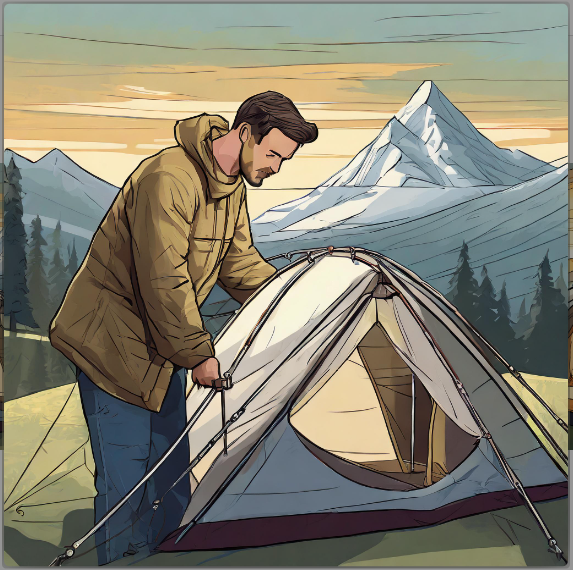
- Set up your tent in the garage or backyard, ensuring it is clean and dry.
- Mix a bowl of cold water with 1 fluid oz of Revivex Pro Cleaner.
- Wipe down the seams you are sealing with a wet cloth or sponge using the cleaning solution.
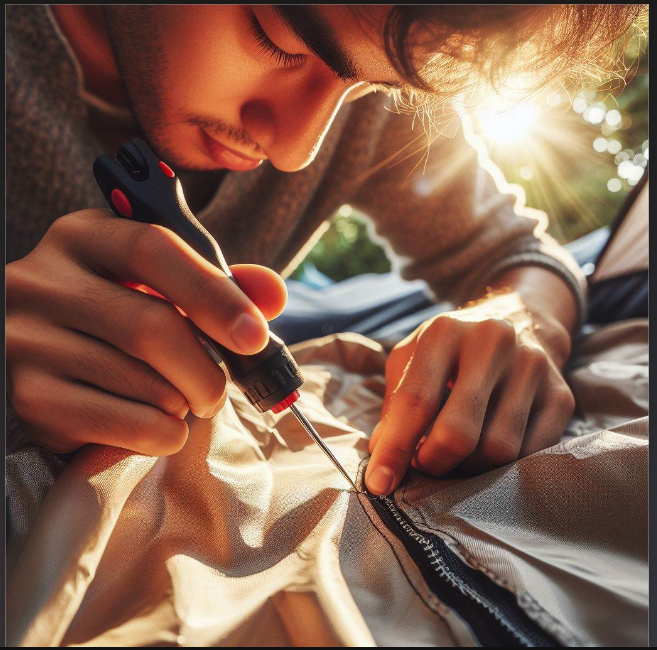
- Choose the appropriate Seam Grip sealant and apply a thin film to the outside seams with the included brush.
- Keep the tent level and let the sealant cure per the instructions on the packaging (usually 2-8 hours).
- Optionally, to prevent seams from sticking together, sprinkle baby powder over Seam Grip WP after it’s cured.
Waterproofing a Rainfly
Estimated Time: 10-15 minutes
- Lay your rainfly in a well-ventilated area with the top side facing up.
- Add 0.5 fl oz of Pro Cleaner to a bowl of cold water.
- Clean the entire rainfly with a sponge wetted with the cleaning solution.
- Once clean, spray on Revivex Instant Water Repellent.
- Ensure the fabric is completely dry before packing away to prevent mold or mildew growth.
Re-Coating a Tent Floor
Estimated Time: Application – 15-30 minutes, Cure – 8-12 hours
- Remove the old PU coating from the tent floor using a dry brush and isopropyl alcohol.
- For extreme cases, soak the tent in a mixture of water, Revivex Pro Cleaner, mild soap, and isopropyl alcohol to remove the old PU coating.
- Once clean and dry, shake Seam Grip TF, saturate the applicator, and apply a thin, even coat inside the tent.
- Test dryness after four hours and wait 24 hours before storing the tent.
Pro Tips and Common Questions
- Use Blue Masking Tape for Straight Lines: Achieve neat and straight seam lines by using blue masking tape.
- Use of talcum powder to prevent stickiness, its important to allow the the sealant to dry before storing the tent, and the potential benefits of seam-sealing on the inside to minimize UV impact.
- Seam Seal Outside: Most campers recommend seam sealing on the outside to prevent water from even touching the seams.
- Apply Solarproof After Seam Sealing: For solarproofing, apply it after seam sealing to ensure comprehensive protection.
- Bonded Seams: Consider bonded seams for added protection.
- Seal Inside for UV Protection: While sealing inside is easier, sealing outside minimizes UV impact on the seam sealer.
- Dry Before Storing: Ensure the sealant is completely dry before storing your tent to avoid sticking issues.
- Quick Fixes Before a Trip: In case of time constraints, consider sealing on the trip, but be cautious about potential rain.
- offering a comprehensive guide on dealing with different types of leaks and common tent problems. It introduces GEAR AID as a solution for waterproofing gear and provides step-by-step instructions for sealing seams, waterproofing a rainfly, and re-coating a tent floor. Practical tips, such as adding baby powder over cured sealant and replacing factory PU coating when needed, enhance the overall value of the advice.
Remember, a well-sealed tent is your best defense against the elements. Enjoy your camping adventures with confidence in your waterproof shelter!