Embarking on the Pacific Crest Trail (PCT) is often described as a life-altering experience, shaping not only the individual hiker but also influencing the lives of those around them. The journey, spanning 2,650 miles from Mexico to Canada, becomes a catalyst for self-discovery, resilience, and a shift in perspective. Participants are confronted with challenges that surpass physical exertion, delving into the realms of personal growth, relationships, and life choices.
The reflections of PCT hikers shed light on the profound transformations they underwent during and after the trail. One common sentiment revolves around the realization that completing the PCT serves as a testament to one’s ability to overcome obstacles. As one hiker put it, “If I could do this, I could do anything I wanted.” This newfound confidence often propels individuals towards pursuing other significant goals, with a shift away from obsessive planning towards embracing consistency and seizing opportunities.
The impact extends beyond the immediate post-trail period, influencing daily living and interpersonal relationships. Hikers speak of increased presence in the moment, a heightened appreciation for nature, and a willingness to take more chances and make mistakes. The typical life path loses its appeal as individuals become more comfortable deviating from societal expectations, choosing alternative ways to navigate the world.

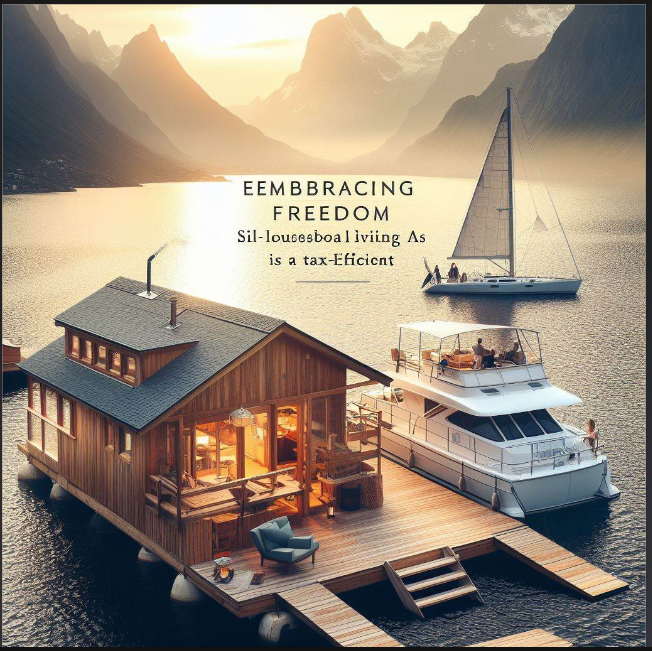
For some, the transformation is so profound that it leads to a complete upheaval of their previous lifestyle. Take, for instance, the hiker who, after completing the PCT, sold their city home, purchased a small wilderness cabin, and never returned to a conventional job for the past 22 years. The trail becomes a symbolic departure from the ordinary, marking a before-and-after in the narrative of their lives.
However, not every story follows the same trajectory. Some individuals find that the PCT serves as a temporary escape rather than a catalyst for change. One hiker confesses, “I got hit by a big old case of wherever you go, there you are,” revealing the complexity of personal struggles that cannot be easily resolved through a long-distance hike. Yet, even in such cases, meaningful connections and relationships can emerge, as evidenced by one hiker who met their partner on the trail and has been together for six years.
The impact of the PCT is not limited to the hikers alone; it reverberates through the lives of those left behind. A spouse reflects on the changes observed in their partner, noting subtle shifts in behavior and mindset. The hiker’s heightened awareness of their environment, newfound confidence, and appreciation for the outdoors become apparent even to those closest to them.
As the narratives unfold, it becomes evident that the PCT experience is a catalyst for change, prompting individuals to reassess priorities, reconsider career paths, and embrace a more authentic way of living. From newfound confidence to letting go of toxic jobs, the transformative power of the PCT extends beyond physical fitness to encompass mental resilience, emotional well-being, and a redefined sense of purpose.
In the end, the PCT becomes a symbol of empowerment and self-discovery, proving that the journey is not just about covering miles but about traversing the inner landscapes of the self. The hiker, forever changed, takes with them the lessons learned, the challenges conquered, and the enduring belief that they can overcome anything—one step at a time.