Whether it’s a strenuous workout at the gym or an unfortunate mishap on the trail, injuries are a part of life for the 4.2 million Americans facing severe injuries each year. In the aftermath of an injury, two immediate actions can significantly impact recovery: seeking a doctor’s expertise for an accurate diagnosis and treatment plan, and heading to the grocery store to procure essential items for a post-injury diet. While the latter may not seem obvious, the role of nutrition in injury recovery is pivotal.
Does Nutrition Impact Injury Recovery? Contrary to popular belief, a nutritious diet is crucial for healing injuries. Nutrition plays a vital role in every system of the human body, particularly the muscular, skeletal, and metabolic systems responsible for the body’s healing ability. Injuries and surgeries can lead to muscle disuse atrophy, bone calcium loss, and metabolic changes. The food consumed daily fuels these systems, providing the necessary building blocks for recovery.
Inflammation, often accompanying injuries, plays a significant role in muscle wasting. Nutritional strategies, such as supplementing suboptimal protein intake with leucine, can effectively offset anabolic resistance. The quality of the diet significantly influences recovery, as it must supply the vitamins, minerals, and antioxidants needed to reduce inflammation, combat oxidative stress, and promote the rebuilding of injured tissue.
Can a Poor Diet Increase the Risk of Injury? Absolutely. A subpar diet compromises the body’s strength and resilience against injuries. Diets rich in processed junk food and artificial ingredients fail to support healthy cellular turnover, making the body more susceptible to new injuries and hindering the healing of existing damage. Refined carbohydrates, in particular, can increase inflammation and oxidative stress, hampering the immune system’s ability to combat inflammation.
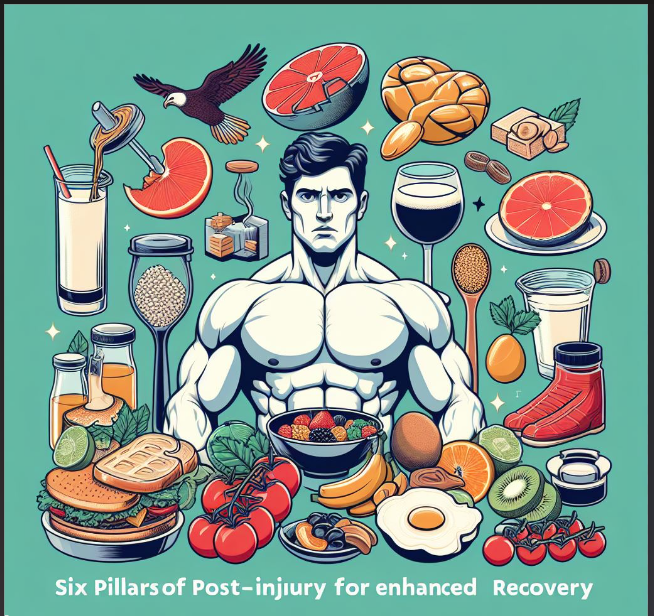
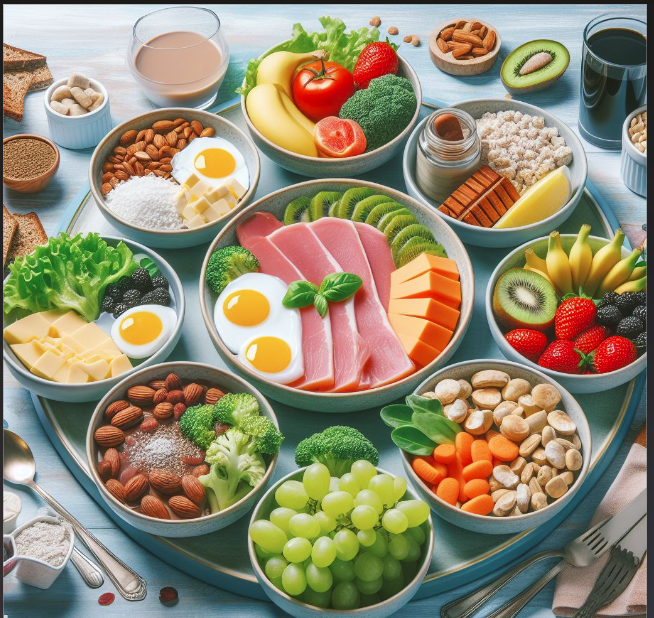
Six Pillars of a Post-Injury Diet for Enhanced Recovery:
- Healthy Calories: Avoid an energy deficit during recovery; choose good calories from healthy fats and complex carbohydrates.
- Fresh Fruit: Manage inflammation with fruits rich in vitamins C, A, and E.
- Cruciferous Vegetables: Lower inflammation and protect against further damage with phytonutrients and glucosinolates.
- Lean Proteins or Protein Powders: Support muscle tissue reinforcement and reduce the risk of muscle mass loss.
- Nuts and Seeds: Control inflammation with omega-3 fatty acids, and provide essential nutrients for recovery.
- Robust Spices: Utilize herbs and spices with anti-inflammatory and antioxidant properties to enhance recovery.
Dietary Changes to Reduce the Risk of Injury: To reduce the risk of injury, avoid long-term energy deficits and deficiencies in protein, vitamins, and minerals. Opt for a wide variety of minimally processed, whole foods. Consult with a holistic nutritionist to tailor a diet that suits your needs.
Is It Ever Too Late to Make Dietary Changes? It’s never too late to make dietary changes. While healing may not occur overnight, nourishing your body with the right nutrients aids in repair and protection from further damage. Seek guidance from a local naturopathic doctor specializing in sports medicine and injury recovery for personalized advice and assistance. Your dietary choices impact your health almost immediately, making positive changes an investment in your overall well-being.