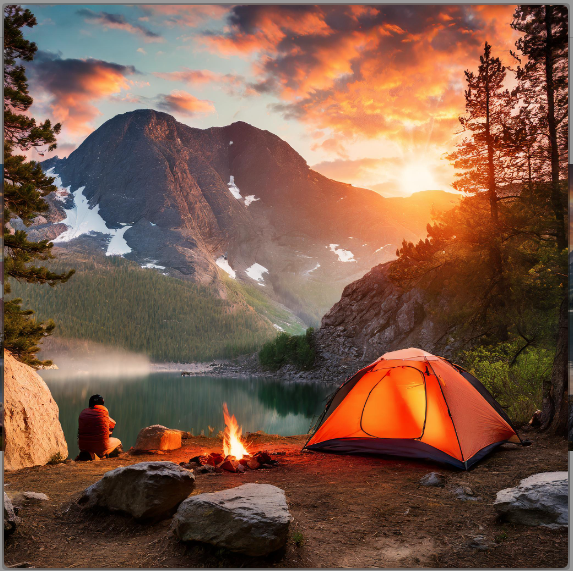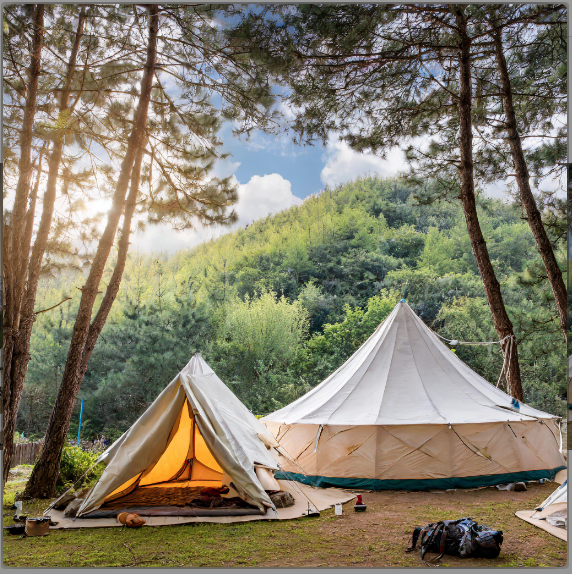
Camping enthusiasts and nature lovers alike are increasingly drawn to the beauty and tranquility offered by national parks, state parks, and private campgrounds across the country. However, with the rising popularity of outdoor activities, securing a camping spot during peak seasons has become a challenging task. This has led to the importance of prescheduling camping reservations to ensure a seamless and enjoyable outdoor experience. This article delves into the significance of planning ahead, having backup plans, and understanding the rules and regulations surrounding camping on different types of land.
The Growing Demand for Camping Reservations:
In recent years, there has been a significant surge in the number of people seeking refuge in the great outdoors. National parks, state parks, and private campgrounds are witnessing record-breaking visitation numbers, especially during peak seasons. Popular destinations like Yosemite National Park, Zion National Park, and Sebastian Inlet State Park in Brevard County, Florida, are experiencing an overwhelming demand for camping spots.
Prescheduling During Peak Seasons:
Prescheduling camping reservations is crucial, especially during peak seasons when campsites are in high demand. Iconic locations like Yosemite and Zion National Park require visitors to plan well in advance, sometimes up to a year ahead. The sheer popularity of these destinations means that securing a spot on short notice is nearly impossible. Prescheduling not only guarantees a camping spot but also allows for better planning of the overall trip, ensuring a stress-free experience.
Off-Season Reservations:
While off-season camping may seem more flexible, popular destinations continue to attract visitors year-round. Prescheduling during the off-season is equally important to avoid disappointment, especially in areas where the weather remains favorable. Planning ahead during off-peak times provides the added benefit of enjoying a more peaceful and serene camping experience.
The Importance of Backup Plans:
Even with meticulous planning, unexpected circumstances can arise. Therefore, having backup plans is essential. Consider alternative campgrounds within the same region or explore nearby federal or Bureau of Land Management (BLM) lands where dispersed camping might be allowed. It’s crucial to research and understand the specific regulations governing camping on different types of land.
Understanding Land Types and Regulations:
Not all land is open for camping, and it is vital to know the rules governing each type. National parks and state parks have specific regulations, and some may even require permits for backcountry camping. BLM lands, on the other hand, often allow dispersed camping, but it’s essential to adhere to Leave No Trace principles and any specific guidelines set by the managing agency.
Extreme Examples of Prescheduling:
Certain campgrounds have become so popular that reservations need to be made well in advance. Sebastian Inlet State Park’s beachfront campground in Brevard County, Florida, is a prime example, where spots can be reserved up to a year ahead due to its limited availability and stunning oceanfront location. Similarly, campgrounds in Yosemite and Zion National Park often book out months in advance, emphasizing the need for early planning.
Conclusion:
Prescheduling camping reservations has become a necessity in today’s outdoor recreation landscape, especially at popular destinations and during peak seasons. As the demand for nature experiences continues to grow, securing a camping spot well in advance ensures a seamless and enjoyable adventure. Remember to have backup plans, understand the regulations for different types of land, and appreciate the unique challenges posed by extreme camping reservations in sought-after locations. By taking these steps, outdoor enthusiasts can maximize their chances of enjoying the beauty of nature without the stress of last-minute arrangements.