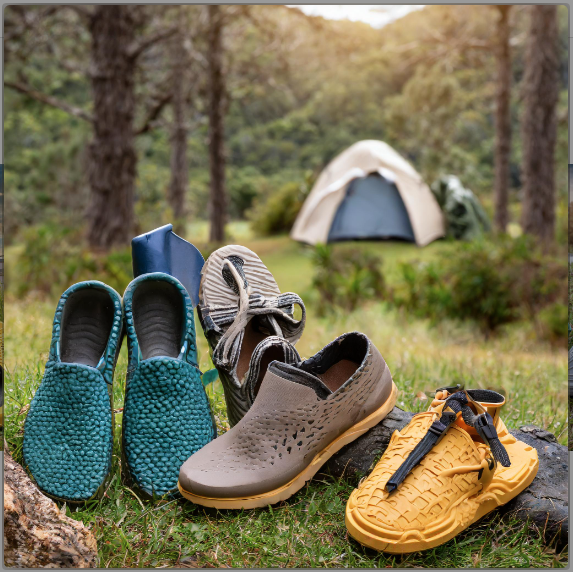
Footwear plays a crucial role in ensuring comfort, hygiene, and protection for our feet, especially in various environments and activities. This comprehensive guide will explore the diverse world of footwear, including camp shoes, slippers, Crocs, shower slippers for public restrooms, water shoes, flip flops, and hiking sandals. We’ll also delve into the importance of keeping feet clean, addressing fungal concerns, maintaining dryness, and the advantages of open-toe shoes with lightweight attributes.
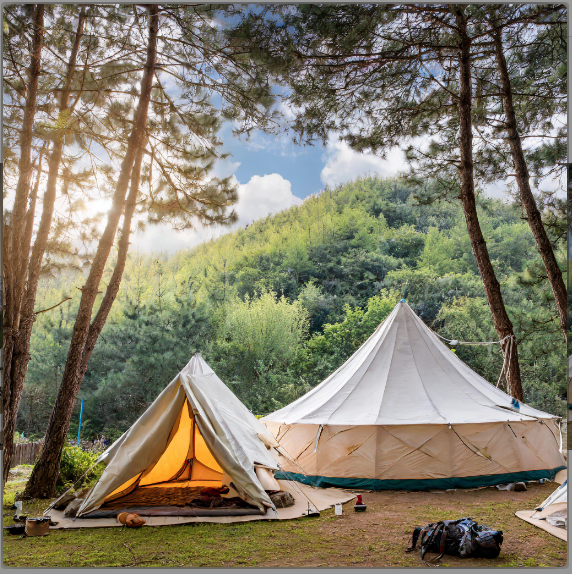
- Camp Shoes: Camp shoes are lightweight, versatile footwear designed for use around the campsite. These shoes offer a comfortable alternative to heavy hiking boots after a long day on the trail. Camp shoes are typically breathable and easy to slip on and off, providing a relaxing option for letting your feet breathe.
- Slippers: Indoor slippers are essential for comfort at home, protecting feet from cold floors and providing a cozy environment. When choosing slippers, look for those with non-slip soles and proper arch support for added comfort.
- Crocs: Crocs have gained popularity for their unique design, comfort, and versatility. These lightweight, water-resistant shoes are suitable for various activities, from casual strolls to water-based adventures. Crocs provide breathability, making them ideal for warm weather.
- Shower Slippers for Public Restrooms: Public restrooms can be breeding grounds for bacteria and fungi. Wearing shower slippers or flip flops in communal showers helps protect your feet from infections like athlete’s foot and other skin conditions. Choose slippers with anti-slip features for added safety.
- Water Shoes: Water shoes are specifically designed for activities in and around water. They provide excellent traction, protection against sharp objects, and quick-drying capabilities. Water shoes are ideal for water sports, beach outings, or any activity that involves water exposure.
- Flip Flops: Flip flops are lightweight, open-toe sandals perfect for casual wear in warm weather. While they offer breathability and easy ventilation, it’s important to choose flip flops with arch support to avoid discomfort during extended use.
- Hiking Sandals: Hiking sandals combine the ruggedness of hiking boots with the breathability of sandals. These shoes are perfect for warm-weather hikes, providing excellent traction and foot support. Look for models with adjustable straps for a customized fit.
Hygiene and Fungal Concerns:
a. Keeping Feet Clean: Regular foot hygiene, including washing and drying your feet, is essential for preventing fungal infections and unpleasant odors. Use mild soap, and ensure your feet are completely dry before putting on footwear.
b. Fungal Concerns: Wearing closed shoes for extended periods can create a warm, damp environment, promoting fungal growth. Choose breathable shoes, rotate footwear, and consider using antifungal powders or sprays to prevent infections.
Keeping Feet Dry: Moisture-wicking socks and breathable shoes contribute to keeping feet dry. Choose materials like mesh and quick-drying fabrics, and consider carrying an extra pair of socks in humid or wet conditions.
Advantages of Open-Toe Shoes and Lightweight Attributes:
a. Breathability: Open-toe shoes allow for better ventilation, reducing the risk of fungal infections and promoting overall foot health.
b. Lightweight Design: Lightweight footwear minimizes fatigue during long walks or hikes. It also facilitates easy packing for travel, making it a convenient choice for various activities.
Conclusion:
Choosing the right footwear for different activities is essential for foot health, comfort, and hygiene. From camp shoes to water shoes, each type serves a specific purpose, ensuring that your feet are protected, comfortable, and well-maintained. Prioritize foot hygiene, keep your feet dry, and consider the advantages of open-toe shoes and lightweight attributes for a well-rounded approach to footwear selection.