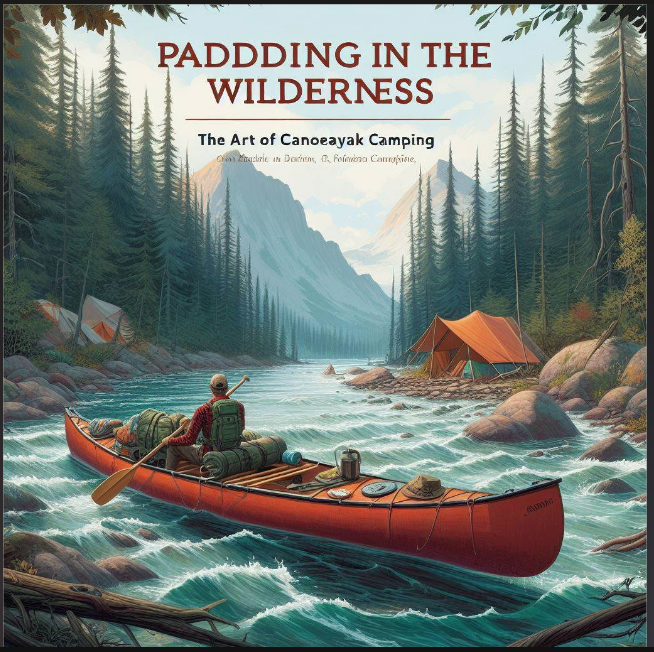
Canoe and kayak camping offer outdoor enthusiasts a unique and immersive way to connect with nature. Combining the tranquility of paddling with the challenges of camping, this waterborne adventure provides an opportunity to explore remote locations that are often inaccessible by other means. In this article, we’ll delve into the world of canoe and kayak camping, focusing on the constraints of limited space, innovative ideas for towing gear, and drawing parallels to the challenges faced in thru-hiking.
Limited Space:
One of the primary challenges of canoe and kayak camping is the limited space available for gear. Unlike car camping, where space is seemingly endless, paddlers must carefully choose their equipment and pack efficiently to make the most of the confined storage space. Essentials such as shelter, cooking equipment, and clothing must be strategically organized to optimize the available room.
Similar to thru-hiking, where every ounce matters, canoe and kayak campers must prioritize lightweight and compact gear. Modern advancements in outdoor equipment have led to the development of lightweight and packable gear, including compact tents, sleeping bags, and portable cooking systems. Additionally, multi-functional tools and equipment become invaluable in such constrained settings.
Towing Gear in an Inflatable:
For those embarking on extended canoe or kayak camping trips, the challenge of limited space becomes even more pronounced. To overcome this hurdle, some outdoor enthusiasts have adopted the practice of towing an inflatable behind their watercraft to carry extra heavy gear. This inflatable serves as a floating cargo hold, allowing campers to transport larger items, such as additional food supplies, bulky equipment, or even a portable shelter.
Choosing the right inflatable is crucial. A durable, puncture-resistant model with sufficient buoyancy and towing capacity is essential. Many inflatable options are available on the market, ranging from floating dry bags to purpose-built cargo rafts designed specifically for towing behind canoes and kayaks.
Drawing Parallels to Thru-Hiking:
The experience of canoe and kayak camping shares striking similarities with thru-hiking, particularly in terms of self-sufficiency and the challenges of navigating the natural environment. Let’s explore some commonalities:
- Food and Water Management:
- Just like thru-hikers carefully plan their resupply points, canoe and kayak campers must strategize their water and food supply. Access to clean water sources and effective water purification methods are essential for both activities.
- Exhaustion and Endurance:
- Both thru-hikers and paddlers face physical challenges that test their endurance. Long days of paddling, portaging, and setting up camp can be physically demanding, requiring a resilient mindset to push through exhaustion.
- Camp Setup and Leave No Trace:
- Setting up camp in pristine wilderness areas requires a Leave No Trace ethic in both activities. Minimizing environmental impact and respecting the natural surroundings are fundamental principles shared by thru-hikers and waterborne campers alike.
Conclusion:
Canoe and kayak camping offer a distinctive blend of water-based adventure and the challenges of backcountry camping. The constraints of limited space necessitate thoughtful gear selection and packing, while towing gear in an inflatable provides a creative solution for carrying additional necessities. Drawing parallels to thru-hiking emphasizes the shared experiences of self-sufficiency, endurance, and a deep connection with the natural environment. Whether navigating tranquil lakes or meandering rivers, the world of canoe and kayak camping invites outdoor enthusiasts to embark on a journey that combines the best of paddling and camping.