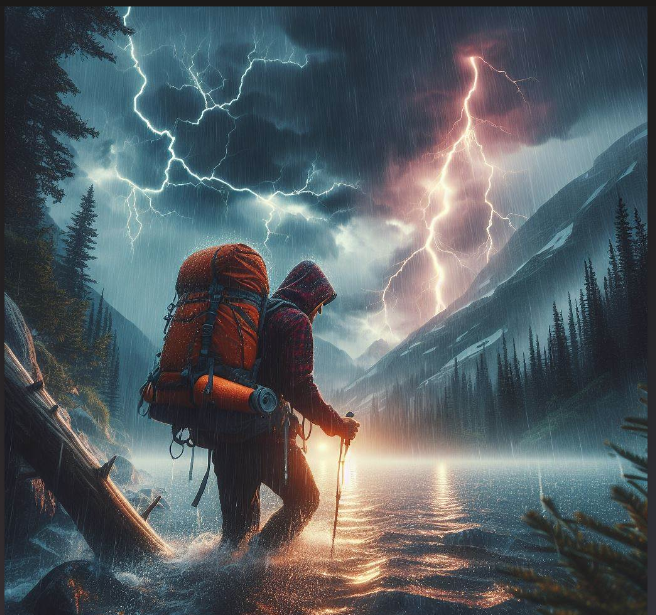
Picture this scenario: You’re out on a multi-day hike in the backcountry, enjoying breathtaking views from a ridge above treeline. Suddenly, dark storm clouds appear on the horizon, and anxiety sets in as the storm approaches faster than anticipated. As a responsible hiker, it’s crucial to be well-prepared and informed about lightning safety in the backcountry. This article will guide you through the dos and don’ts to mitigate risks and ensure your safety when faced with unexpected storms.
Dos and Don’ts of Lightning Safety:
- Check the Weather and Set Turnaround Times:
- DO check the weather before venturing into the backcountry and stay updated during your trip.
- DO establish turnaround times to descend from exposed summits before storms intensify.
- Reacting to Thunder:
- DO turn around and head back if you hear thunder.
- DO have a backup plan for slackpacking and inform someone of your plan.
- DON’T assume you’re safe because it’s not raining; lightning can strike over 3 miles from storm clouds.
- Choosing a Safe Spot:
- DO choose an appropriate spot to hunker down, avoiding peaks, exposed ridges, and higher ground.
- DO spread out your group and set up in a depression or valley.
- DON’T assume you’re safe in a lean-to shelter; lightning strikes can still occur.
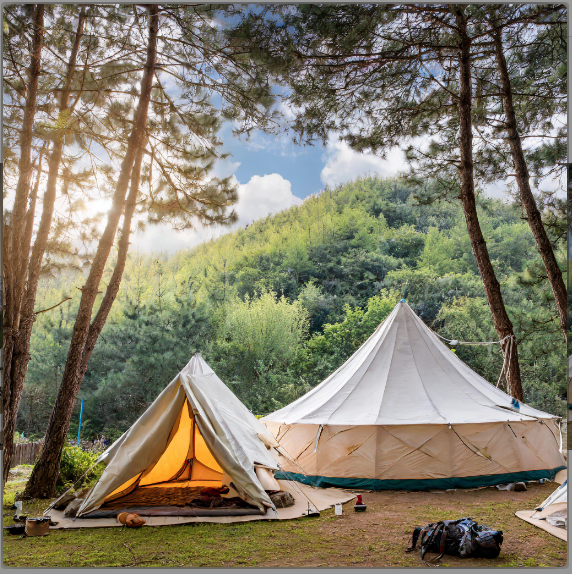
- DON’T assume a tent is a safe place; tents offer no protection from lightning.
- Avoiding Tall Objects:
- DON’T take shelter under tall objects like trees or fire towers.
- DO assume the lightning position – crouch down with weight on the balls of your feet, feet together, and head down with ears covered.
- DO be prepared to give first aid to someone struck by lightning.
Conclusion:
In the backcountry, storms can be unpredictable, and lightning safety is paramount. This article highlights the importance of checking the weather, having turnaround times, and reacting promptly to thunder. It dispels misconceptions, emphasizing that lightning can strike even when it’s not raining. Choosing a safe spot, avoiding tall objects, assuming the lightning position, and being prepared to give first aid are crucial steps. While the chances of being struck are low, these tips empower hikers to minimize risks and make informed decisions in the face of challenging weather. So, stay safe, stay informed, and enjoy your backcountry adventures!
Article Sources:
- https://appalachiantrail.org/explore/plan-and-prepare/hiking-basics/safety/lightning-safety-on-the-appalachian-trail/
- https://www.cdc.gov/disasters/lightning/safetytips.html
- https://www.cmc.org/Portals/0/GoverningDocs/NOLS%20Lightning%20Safety%20Guidelines.pdf
- https://americanhiking.org/resources/lightning-safety/