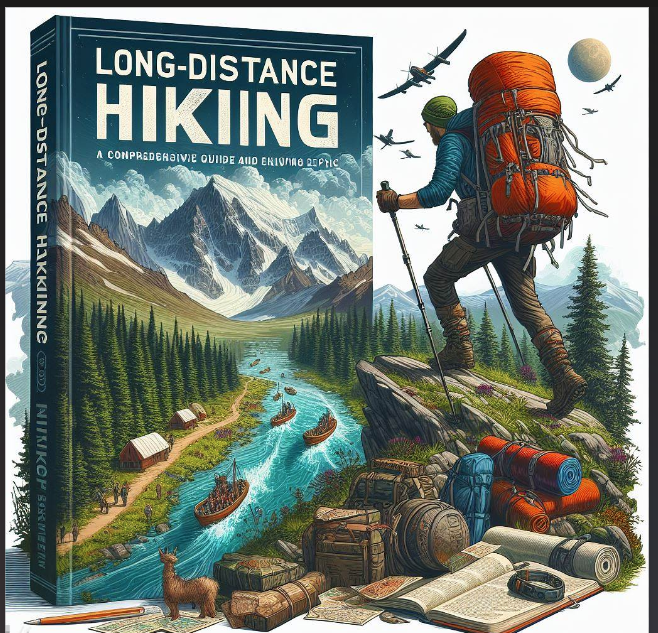
So, you’re a frequent hiker, and you even try to get in a few weekend backpacks every summer. Now you’re interested in taking it up a notch. Before you run out and try to join hiking’s varsity squad, you need to be prepared. Long-distance hiking, often spanning from a week to a month or even up to six months for trails like the Pacific Crest Trail, is a unique and challenging experience that requires thorough planning and mental and physical endurance. In this comprehensive guide, we’ll explore the key aspects of preparing for and enjoying a long-distance hike.
Mind Over Matter: Mental and Physical Preparation
You Don’t Need to Be an Olympian
Contrary to popular belief, you don’t need to be an Olympic triathlete to embark on a long-distance hike. Good health and moderate fitness are sufficient for tackling a journey that spans a few hundred miles. The key is to be open and flexible, ready to face the challenges that nature, or your own body, may throw at you.
Embracing Challenges
Long-distance hikes come with their share of challenges – from fatigue and loneliness to bug bites and blisters. Acknowledging that these challenges are a part of the journey is crucial. Even seasoned hikers experience moments of discouragement or vulnerability. The initial weeks are often the toughest, but pushing through reveals the rewarding aspects of the journey.
The Power of Panoramic Views
Despite the hardships, the panoramic views, refreshing drinks from icy streams, and the taste of freeze-dried meals in a high lake basin with alpenglow can make the journey truly remarkable. The key is to persevere through the tough moments and savor the beauty that unfolds along the trail.
Plan for Success: Research, Itinerary, and Physical Conditioning
- Do Your Research
The foundation of a successful long-distance hike lies in thorough research. Utilize guidebooks, websites, trail maps, and blogs of experienced hikers. Connect with trail-specific forums for valuable insights. If permits are required, be aware of application dates and deadlines. - Plan Your Itinerary
Tailor your itinerary based on the length of your hike. For shorter hikes, plan more specifically; for longer hikes, allow flexibility. Consider water and camp locations, resupply points, trail conditions, and “zero” days. Balance a realistic itinerary that aligns with your capabilities and provides the freedom to enjoy the journey. - Get in Trail Shape
Physical conditioning is essential. Conduct practice hikes with a full pack, include strength-building exercises, and focus on leg, back, and core strength. Choose appropriate footwear and gradually acclimate your feet. Starting the journey physically and mentally prepared enhances confidence and readiness for challenges.
Pack Smart: Minimizing Weight Without Sacrificing Essentials
- Reduce Pack Weight
Minimize pack weight by utilizing resupply locations for food and carrying only necessary water between sources. Trim weight without compromising safety by choosing lightweight gear. Pack essentials, including rain gear, first aid, and a water filtration system. - Indulge a Little
Balance weight reduction with a few indulgences. Carry lightweight camp shoes for comfort, include treats in your food bag as rewards, and prioritize enjoying the journey. While cutting weight is important, maintaining a balance ensures a more enjoyable experience. - Hike Your Own Hike
Long-distance hiking is a personal journey. Prioritize what brings you joy – whether it’s lakeside naps, photography, or exploration. Customize your itinerary, take breaks when needed, and build in “zero” days for relaxation. Embrace the uniqueness of your adventure and enjoy the experience without feeling the need to conform to specific expectations.
In conclusion, long-distance hiking is a transformative adventure that requires preparation, resilience, and a willingness to embrace both the challenges and rewards along the way. By planning thoughtfully, staying flexible, and hiking your own hike, you’ll create memories that last a lifetime on the vast and scenic trails that await. Don’t just hike – embark on an epic journey that will redefine your relationship with nature and yourself.