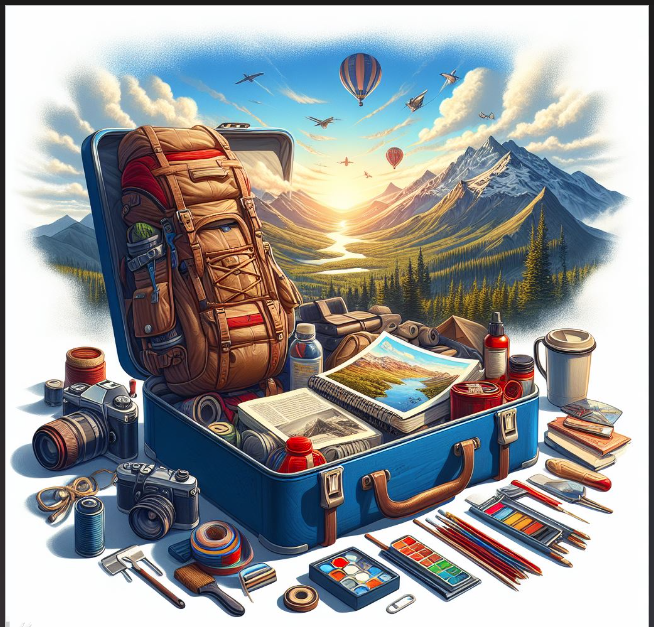
Embarking on a backpacking adventure is an exhilarating prospect, but the key to a successful trip lies in how well you pack your backpack. As you stand before an empty backpack, the possibilities seem endless, but knowing what essentials to include and how to pack them can make all the difference. This comprehensive guide will walk you through the process, ensuring that you are well-prepared for your journey into the great outdoors.
The Ten Essentials: Regardless of the length or nature of your hiking trip, it’s crucial to adhere to the “ten essentials.” These items will equip you to handle various situations and emergencies during your backpacking adventure. Here’s a breakdown of the ten essentials:
- Navigation: Equip yourself with a rechargeable GPS system, compass, and topographical relief map to plan and navigate your journey effectively.
- Illumination: Carry a reliable light source with a strong LED bulb, be it a headlamp, flashlight, or lantern, along with extra batteries.
- Sun Protection: Guard against the sun’s harmful effects by packing lightweight layers, sunglasses, SPF (preferably wildlife-friendly), and a hat.
- Insulation: Prepare for unpredictable weather with a three-layer system, including a thermal base layer, mid-layer or fleece, and an insulated outer shell. An additional insulated jacket is advisable.
- First Aid Supplies: Customize your First Aid Kit for each trip, including essentials like an ace bandage, ibuprofen, and a sterilization system.
- Fire Supplies: Carry a lighter, waterproof matches, and a small fire starter for emergency situations.
- Repair Kit & Tools: Pack common household items like duct tape, string, zip ties, safety pins, along with a small pocket knife or multitool.
- Nutrition: Pack sufficient snacks, including dried fruit, nuts, granola bars, and jerky, ensuring you have at least one extra day’s worth of food.
- Hydration: Depending on your trek’s location, bring a water filter and a vessel that can carry a minimum of 3 liters of water.
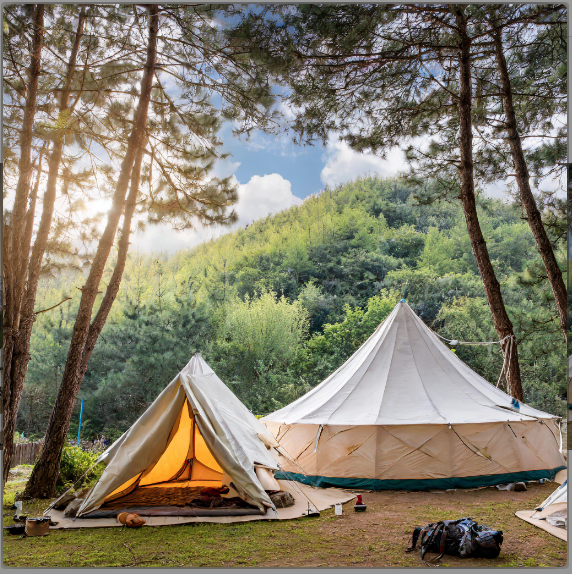
- Emergency Shelter: Include a lightweight tent or alternative options like a bivy sack, hammock, or space blanket to prepare for extreme weather situations.
Non-Essentials/Managing Weight: While the essentials are crucial, managing weight is equally important. Cut down on non-essential items, such as camp shoes, a backpacking pillow or chair, a heavy camera, or books/notebooks, to ensure a lighter load.
The ABCs of Packing Your Pack: Follow these guidelines to efficiently pack your backpack:
- Accessibility (A): Store items based on their accessibility throughout the day, with immediate-use items placed in easily accessible compartments.
- Balance (B): Distribute weight evenly, keeping the heaviest items close to your core and adjusting as needed during the hike.
- Compression (C): Maximize space efficiency by compressing items and filling gaps with smaller, more malleable items.
Conclusion: Packing the perfect backpack is an art that improves with practice. As you gain experience, you’ll learn what works best for you and your body. Invest in quality gear, take the time to adjust items when needed, and most importantly, enjoy the journey. By mastering the art of backpacking, you’ll not only enhance your outdoor experience but also ensure a safer and more enjoyable adventure into the wilderness.