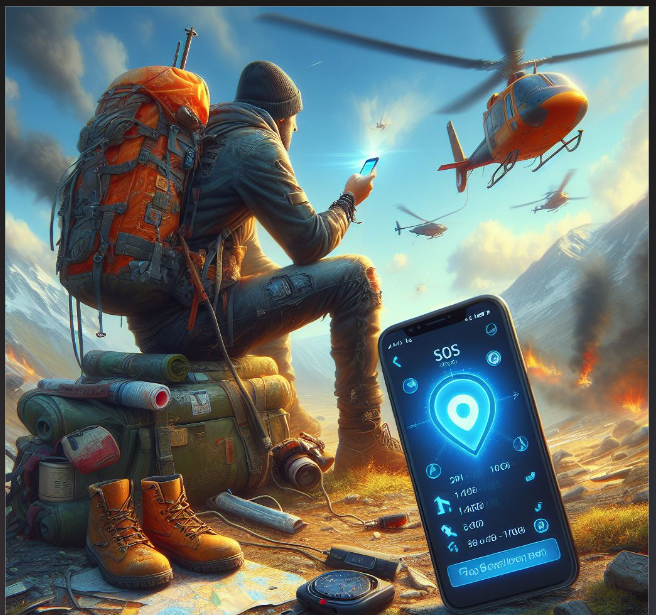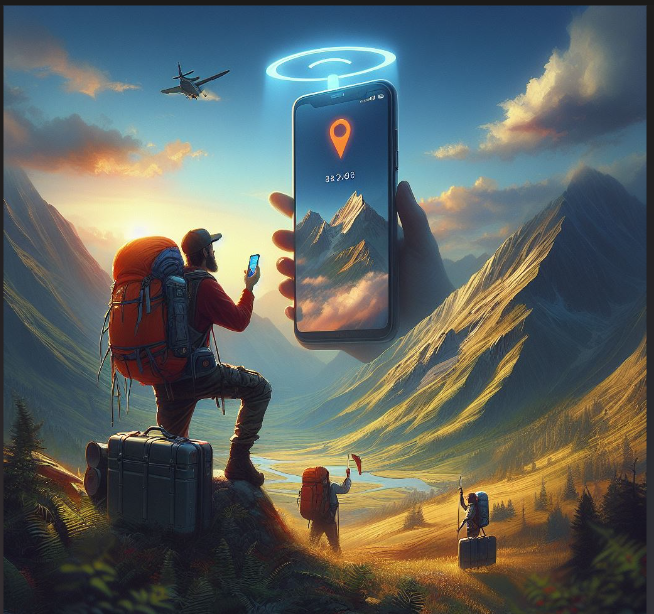
In 2022, Apple introduced its Emergency SOS service via satellite, allowing iPhone users to potentially use their phones as Personal Locator Beacons (PLBs) in emergency situations. This article explores the capabilities, limitations, and potential future of this technology, comparing it to traditional PLBs commonly used by backpackers and hikers.
Emergency SOS Service Overview:
Apple’s Emergency SOS service is designed to be user-friendly, requiring users to set up their Medical ID and Emergency Contacts before venturing out. In an emergency, users can attempt to contact local emergency services, and if unsuccessful, the Emergency SOS feature activates, allowing them to send texts, answer simple questions, and connect to a satellite for assistance.
Success Stories:
Several success stories highlight the effectiveness of the Emergency SOS service. In instances where traditional cell service was unavailable, hikers were able to use their iPhones to contact Search and Rescue crews, providing their location and condition. These stories showcase the potential life-saving capabilities of the technology.
Limitations of Emergency SOS:
While promising, the Emergency SOS service has limitations. A clear line of sight to the sky is required for satellite connection, and users must be ambulatory for optimal performance. There are concerns about potential future costs, as the service is currently free for the first two years after activation on iPhone 14 and newer models. Additionally, the feature may consume significant battery life, especially if the search for a satellite signal takes an extended period.
Comparison with Traditional PLBs:
Differences between Emergency SOS and traditional PLBs, such as those from Garmin and Zoleo, are highlighted. Traditional PLBs often offer broader satellite coverage, non-emergency messaging capabilities, and longer battery life. The article includes a table comparing popular PLBs based on weight, battery life, subscription costs, and unique features.
The Future:
The article discusses the future of SOS services on cell phones, noting the launch of the iPhone 15 with continued Emergency SOS support. However, plans for a similar feature on Android have fallen through, leaving uncertainty for Android users seeking a comparable service. The cost of the Emergency SOS function after the trial period remains undisclosed.
Conclusion:
While the Emergency SOS service on iPhones shows great potential and has already proven beneficial in real-life situations, the article concludes that there is still room for improvement and growth in this technology. Backpackers and hikers may find value in traditional PLBs with their durability, extended battery life, and additional features. The decision between using a phone or a dedicated PLB ultimately depends on individual preferences, safety considerations, and the specific needs of outdoor enthusiasts.