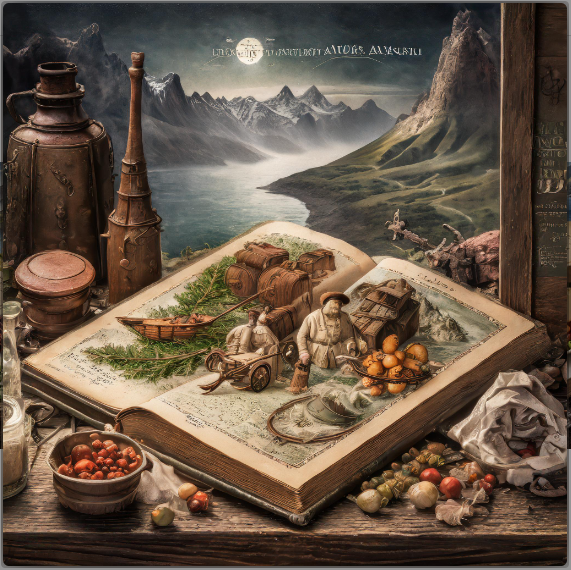
In the 1950s, hiking gear was quite different from what we have today. Here’s a discussion on typical 1950s hiking gear, including details about weight, materials, types of backpacks, and meals:
- Clothing:
- Heavy Cotton Clothing: Hikers typically wore heavy cotton clothing, including long-sleeved shirts and pants. Cotton was the primary material, and it wasn’t as quick-drying or moisture-wicking as modern fabrics.
- Footwear:
- Leather Boots: Sturdy leather boots were the norm. They provided ankle support but were often heavy and took longer to break in compared to modern hiking boots.
- Backpacks:
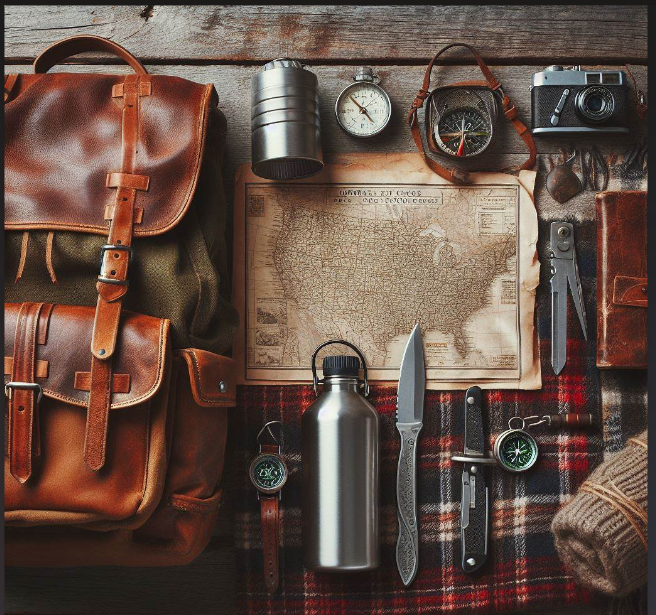
- External Frame Backpacks: The 1950s saw the rise of external frame backpacks. These backpacks had a metal frame on the outside, providing structure and support. They were designed to carry heavy loads but were bulkier compared to today’s internal frame backpacks.
- Sleeping Gear:
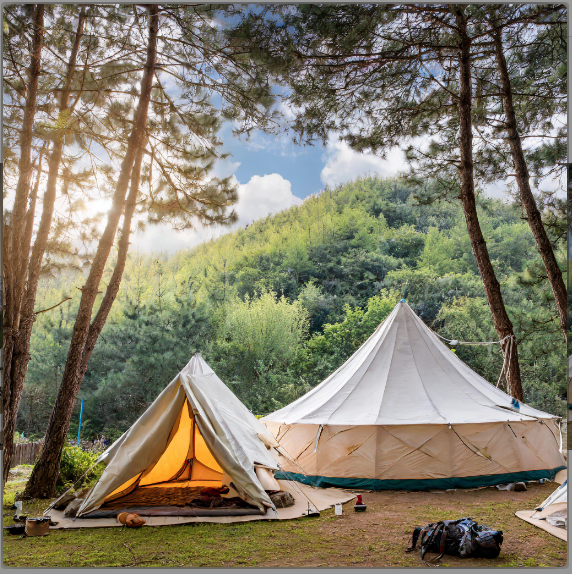
- Canvas Tents: Tents were typically made of heavy canvas material. They were durable but heavier than the lightweight materials used in modern tents.
- Wool Blankets: Sleeping bags as we know them today were less common. Hikers often used wool blankets for warmth.
- Cooking Equipment:
- Canteens and Mess Kits: Stainless steel canteens and mess kits were standard. These were durable and could withstand the rugged conditions of outdoor adventures.
- Camp Stoves: Portable camp stoves were available, but many hikers relied on open fires for cooking.
- Food:
- Canned Goods: Canned foods were popular for hiking trips. Items like canned beans, meats, and vegetables were convenient but added weight.
- Dried Foods: Dehydrated meals weren’t as common, but dried fruits and jerky were popular lightweight options.
- Trail Mix: A simple mix of nuts, seeds, and dried fruits served as a quick and energy-packed trail snack.
- Navigation:
- Maps and Compass: Hikers relied heavily on maps and compasses for navigation. GPS technology wasn’t available, making map reading an essential skill.
- Communication:
- Two-Way Radios: In some cases, hikers used two-way radios for communication in areas with coverage. However, these devices were less common and less advanced than today’s communication tools.
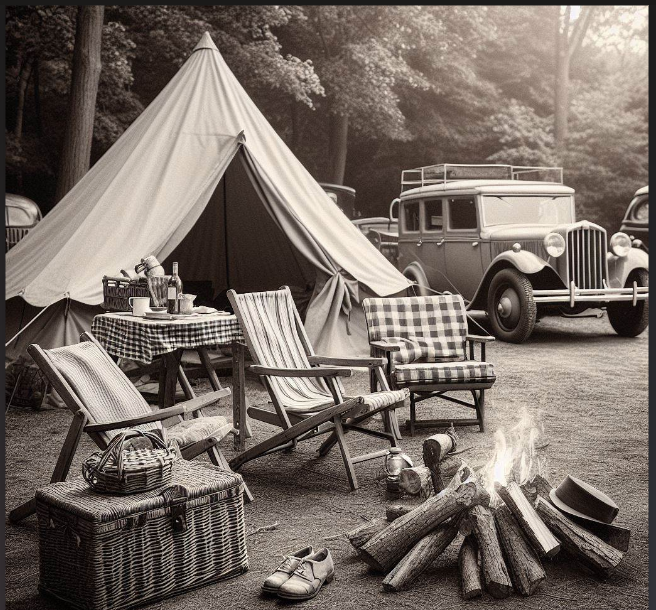
It’s important to note that the 1950s marked a transition period in outdoor gear. While some innovations were underway, many hikers still relied on traditional, robust equipment that reflected the technology and materials available at the time.