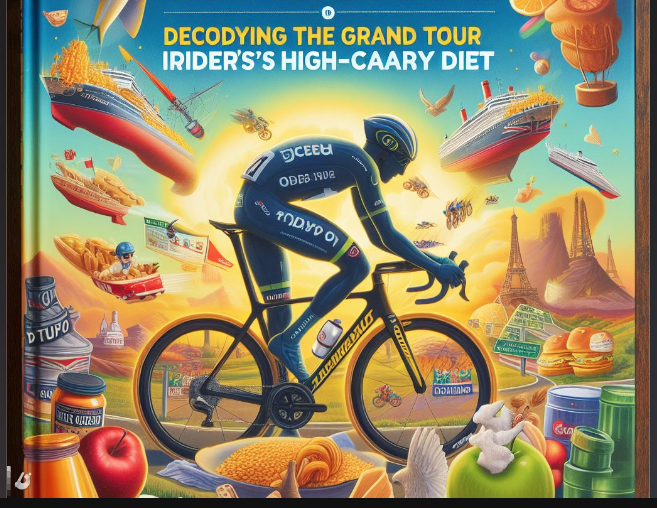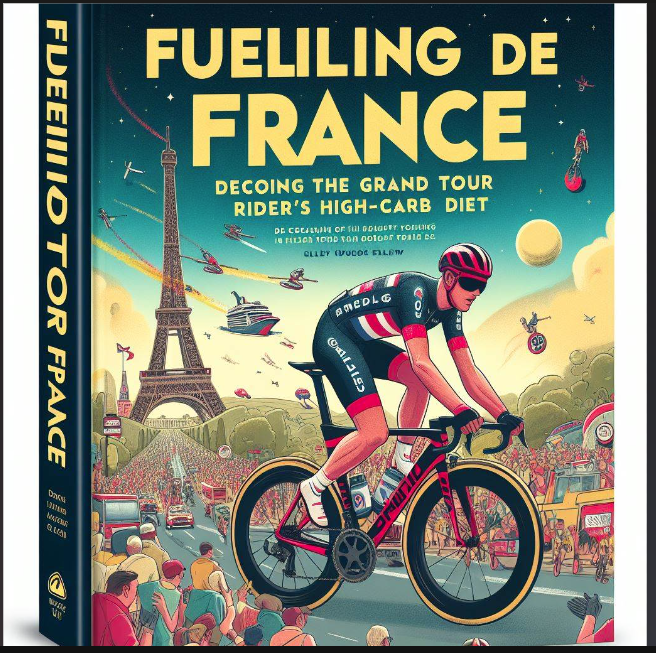
In an exploration into the dietary world of Tour de France riders, we delve into the secrets behind the fuel that propels these athletes through the grueling three-week race for the coveted yellow jersey. Conversations with renowned WorldTour chefs and nutritionists offer a revealing glimpse into the mega-carb menus that sustain the intense demands of the competition.
As we embark on this culinary journey within the realm of professional cycling, it becomes apparent that the fuel for these riders goes beyond conventional expectations. A staggering amount of 80,000 calories may be consumed by riders over the course of the 21 stages, taking into account the metabolic demands of racing, breathing, and basic bodily functions.
To maintain equilibrium, riders rely on mammoth menus characterized by a continuous influx of carbohydrates. Despite their seemingly slender appearance, these athletes possess voracious appetites. According to EF Education-EasyPost nutritionist, These guys look skinny, and they’re tiny when you see them for real. But they sure know how to eat. They have huge appetites.
Carbohydrates emerge as the reigning kings of macronutrients, with staples like rice, pasta, potatoes, and bread taking center stage. In the modern professional peloton, rice has become the carbohydrate of choice, with riders consuming substantial amounts to meet their energy requirements. chef notes, “Riders eat a lot of rice … like, kilos of it. It’s sort of boring, but it works.”
The pre-race rituals involve a breakfast banquet consumed around three hours before a stage, featuring a diverse array of rice, eggs, oatmeal, pancakes, and toast. During the race, carb-laden drinks, energy gels, bars, and team-made rice cakes are ingested as frequently as three to four times per hour, constituting an open pipeline of fuel.
Post-stage, a carb-based snack and recovery shake offer a brief respite before a substantial evening meal. This nighttime feast, often consisting of chicken and rice or salmon and rice, serves a dual purpose—aiding recovery from the day’s exertions and replenishing energy stores for the challenges ahead.
Contrary to the popular belief that pasta fuels the peloton, rice takes center stage due to its higher energy density and gluten-free nature. Nutritionists emphasizes, Rice is more energy dense than pasta. So for the same volume, you get more carbohydrate from rice. Plus, it’s gluten-free. So theoretically, it’s more digestible than pasta.
The complexities of planning and executing such dietary regimens have given rise to an expanded entourage for professional cycling teams, featuring in-house nutritionists and chefs. These experts meticulously calculate the riders’ nutritional needs based on bodyweight, expected expenditures, and the demands of each stage.
The question of ‘watts per kilo’ becomes a crucial metric, as riders strive for a race-weight that balances the need for climbing speed without risking muscle wastage. Weigh-ins are employed to prevent disordered eating behaviors and ensure the riders’ overall health.
Beyond carbohydrates, protein intake is intensified to preserve muscle mass and expedite post-race recovery. Healthy fats, sourced from olive oil, avocados, and nuts, play a crucial role in hormonal health and vitamin absorption. However, fiber takes a backseat on challenging mountain stages or intense days, adhering to the “low G.I. protocol” to start the next day with empty stomachs and low water weight.
Despite the meticulous calculations and focus on performance-oriented nutrition, the daily diet of a Tour de France racer isn’t devoid of treats. Desserts like brownies, cheesecakes, and fruit tarts are daily indulgences, while rest days witness pre-celebratory barbecues, homemade pizzas, burgers, and lasagna.
In the pursuit of balance, these riders are allowed occasional glasses of wine to unwind and recover the mind. As we unravel the intricacies of the Tour de France diet, it becomes clear that fueling the race for the yellow jersey is not just a matter of quantity but also a delicate balance of quality and variety.