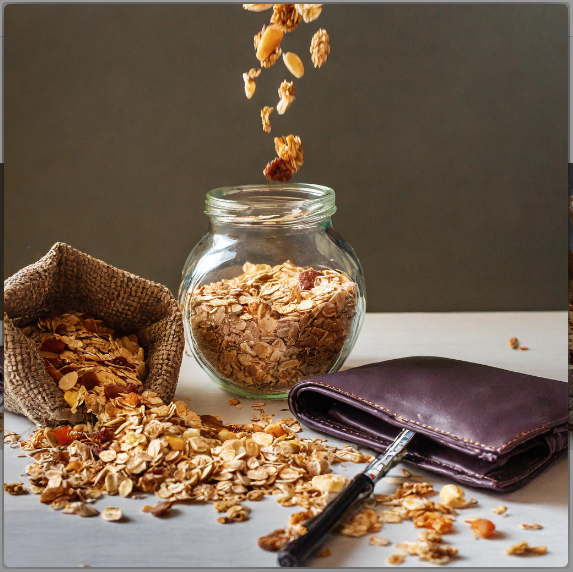
I’ll admit it – the granola aisle at my local grocery store has become a financial and soul-draining experience. As someone who loves topping my Kitehill Greek yogurt with heaps of granola after a morning run, the escalating prices and the evolving recipes tailored to meet specific nutritional needs have left my wallet feeling the strain.
Take my favorite, Purely Elizabeth, for example. At $7.29 for an 8-ounce bag, it translates to $0.91 per ounce – making it one of my priciest grocery items. Compare that to my beloved Nature’s Path Organic cereal at $0.42 per ounce or Gourmet Nut Power Up Trail Mix at $0.39 per ounce, and the budget-conscious side of me starts questioning my granola loyalty.
Considering the financial pinch and my curiosity, I wondered if making my own granola could be a more cost-effective solution. Seeking guidance, I consulted with running coach and nutritionists and fellow granola aficionados. Acknowledging the rising costs of nuts and seeds, shared her strategy of making large batches with cost-effective, bulk-purchased ingredients.
Expert Insights on Granola Economics:
Nuts, seeds, and quality oils like coconut or olive oil contribute significantly to granola costs. However, buying these items in bulk, especially from places like Costco, can make a substantial difference.
Dietitians further explained the factors behind premium granola prices, such as the use of organic ingredients, small-batch production, and certification processes. These insights set the stage for my granola experiment.
Homemade Granola Experiment:
Armed with a shopping list and budget, I embarked on making my own granola using the recommended recipe. The initial shock of a $76 grocery bill was tempered by the realization that bulk purchases would yield multiple batches.
Comparing Nutritional Content:
In addition to cost considerations, I compared the nutritional content of my homemade granola with Purely Elizabeth. To my delight, the homemade version not only met my post-run nutritional needs but surpassed the commercial option in carbohydrate content.
The Cost Breakdown:
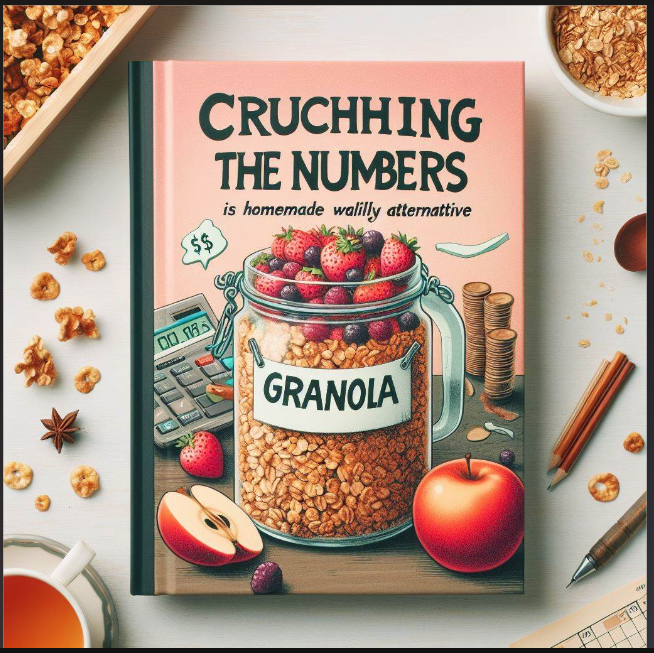
Breaking down the cost per ounce of homemade granola revealed an initial investment that promised long-term savings. The comparison with Purely Elizabeth reinforced the financial benefits of the DIY approach.
Considering Other Factors:
I acknowledged that the decision between store-bought and homemade granola extends beyond cost. Taste preferences, control over ingredients, and time constraints all played crucial roles. advise to look for whole, recognizable ingredients in store-bought granola resonated.
Homemade Granola Recipe:
To empower others on their granola-making journey, I included the classic granola recipe with ingredients, preparation steps, and nutritional information. A step-by-step guide for those eager to customize their granola experience.
Conclusion:
In conclusion, this exploration encourages readers to weigh the economic and personal factors when deciding between store-bought and homemade granola. While the initial investment in making granola at home may seem daunting, the potential savings, nutritional advantages, and the joy of customization make it a compelling option for granola enthusiasts. Ultimately, the choice between convenience and control lies in the hands of each consumer, with unique preferences and priorities.