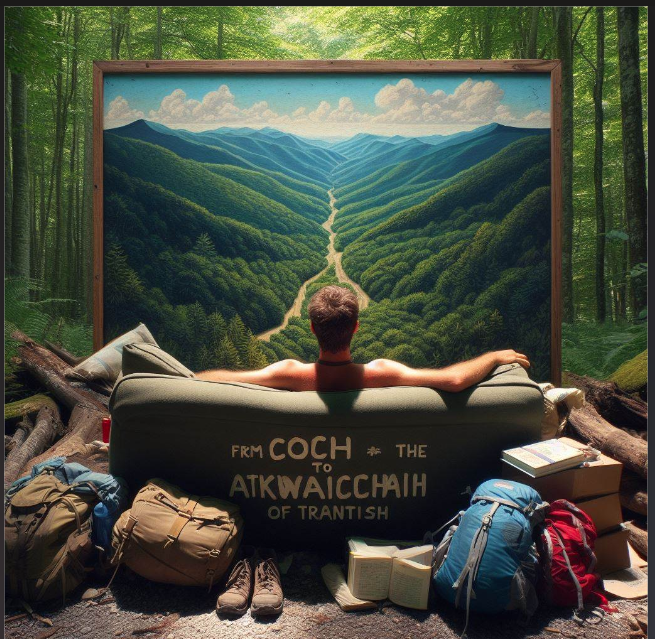
Embarking on the challenging Appalachian Trail, a dream once perceived as distant for a 40-year-old with no hiking background, has now become a compelling goal. The inspiration behind this remarkable transformation ignited during a vacation, where the awe-inspiring grandeur of the Appalachian Trail and the diverse experiences it promised fueled a desire to undertake this physically demanding journey.
Fitness Journey:
The journey towards preparing for the Appalachian Trail began in the late 20s with a departure from an unhealthy lifestyle, quitting smoking and drinking, and shedding excess weight. Early athletic pursuits included teenage swimming, guided by an orthopedic recommendation. A shift to rugby in the mid-20s provided muscle, though limited endurance. In the mid-30s, running took the spotlight until an untimely accident temporarily halted progress. Currently, hiking and trekking have become the primary training routine, supplemented by nature walks a few times a week for about an hour.

Preparing for the Trail:
As the vision of trekking the Appalachian Trail crystallized, considerations extended beyond physical training to practical aspects such as budgeting for suitable hiking gear and other necessities. Engaging with the hiking community has proven invaluable, offering diverse insights, experiences, and encouragement.
Community Insights and Encouragement:
The supportive community emphasizes family support, urging a gradual approach that starts with smaller trails before attempting the full Appalachian Trail distance. Personal success stories range from completing a section of the trail in 18 months to achieving it in just 10 months after transitioning from sedentary habits.
Words of Wisdom:
A consensus within the community stresses the importance of consistent training, participating in various hikes, and relishing the journey. Practical tips abound, focusing on endurance training, practicing camping skills, and gradually increasing time spent on the trail. Dedicated preparation, with the incorporation of hiking clubs, proper gear, and trail experiences, is strongly recommended.
Budgeting and Gear:
While some advocate for a patient approach to investing in specialized hiking gear, others assert that the spirit of long-distance hiking may become all-consuming, compelling individuals to allocate substantial resources to the endeavor.
Conclusion:
The transition from a non-hiker to an Appalachian Trail aspirant is met with overwhelming positivity, encouragement, and a wealth of practical advice from a community that understands the transformative power of long-distance trekking. As this 40-year-old individual charts a three-year course towards the Appalachian Trail, the journey is not just a physical one but a profound metamorphosis, a testament to the resilience of the human spirit and the collective strength of a supportive community.