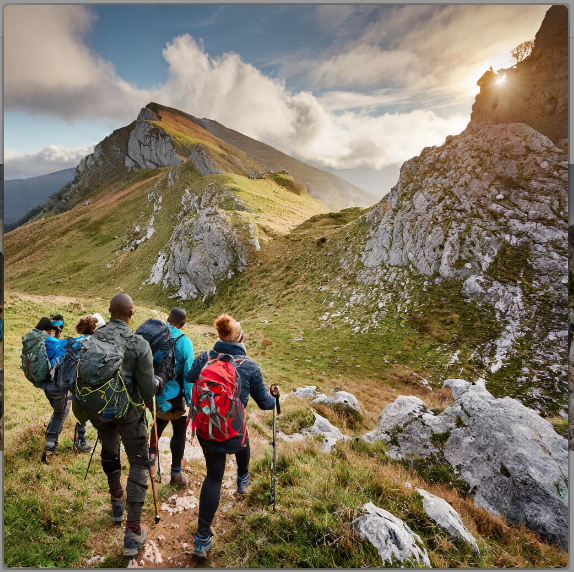
Embarking on the journey of training for a thru-hike demands careful consideration of the environment in which you’ll live and train. The ideal location should provide the necessary elements for a well-rounded training experience, including suitable weather conditions, varied terrains for hiking, and a supportive community. In this article, we explore various locations across the United States that offer unique advantages for year-round thru-hike training.

- Boulder, Colorado:
- Pros: Suitable for year-round training, outdoor hiking even in winter. Presence of experienced hikers for inspiration. High altitude for added challenge.
- Cons: Winter limited outdoor training due to snow.
- San Diego, California:
- Pros: Diverse areas for specific training preferences.
- Kailua-Kona, Hawaii:
- Pros: Diverse hiking trails, favorable weather year-round.
- Cons: High cost of living.
- Denver, Colorado:
- Pros: Ideal for altitude training.
- Cons: Limited outdoor training in winter due to snow.
- Flagstaff, Arizona:
- Pros: High elevation, fitness community, more affordable than Colorado.
- Cons: Some trails may be snowy or muddy in March.
- Sacramento, California:
- Pros: Potential for year-round training, proximity to various terrains.
- Tucson, Arizona:
- Pros: Opportunities for both desert and mountain hiking.
- Mammoth Lakes, California:
- Pros: High elevation for training, various hiking options.
- Sedona, Arizona:
- Pros: Potential training location with unique red rock trails.
- Bend, Oregon:
- Pros: Generally snow-free for hiking, limited high altitude.
- Various Options for Winter and Summer:
- Suggestion: Consider two training bases for different seasons, including Boulder, Santa Fe, Albuquerque, Flagstaff, Mammoth Lakes, Portland, Eugene, and Colorado Springs.
- Laramie, Wyoming:
- Pros: High altitude with various training facilities, clean air, low cost of living.
- Cons: Harsh winters.
- Western Denver Area:
- Pros: Perfect weather in the fall, good trail systems, proximity to higher altitudes.
- Gainesville, Florida:
- Pros: Considered a good hiking town.
- Cloudcroft, New Mexico:
- Pros: High altitude, great trails in the national forest.
- Deer Valley/Park City, Utah:
- Pros: Altitude, proximity to lower elevations for training.
- Nederland, Colorado:
- Pros: Live at 9000ft, drive down to Boulder for training, affordable and convenient for live high, train low.
- Lake Tahoe, California:
- Pros: Altitude, beauty, diverse amenities.
- Cons: Challenging in winter.
- Santa Fe, New Mexico:
- Pros: Clean air, holistic options, rich culture.
- Reno/Carson City, Nevada:
- Pros: Options for both high altitude and lower elevation training.
- Mt. Lemmon (Summerhaven), Arizona:
- Pros: High elevation, proximity to Tucson for sea-level training.
- Mammoth Lakes, California (Reiterated):
- Cons: Expensive lodging.

Choosing Your Ideal Location:
Deciding on the perfect location for thru-hike training involves considering personal preferences, climate, and specific training needs. Factors like altitude, weather conditions, community support, and cost of living should all play a role in your decision-making process. Additionally, considering two training bases for different seasons could provide a balanced and optimal training experience throughout the year. Ultimately, the right location will enhance your training journey and contribute to your success in the thru-hike adventure.