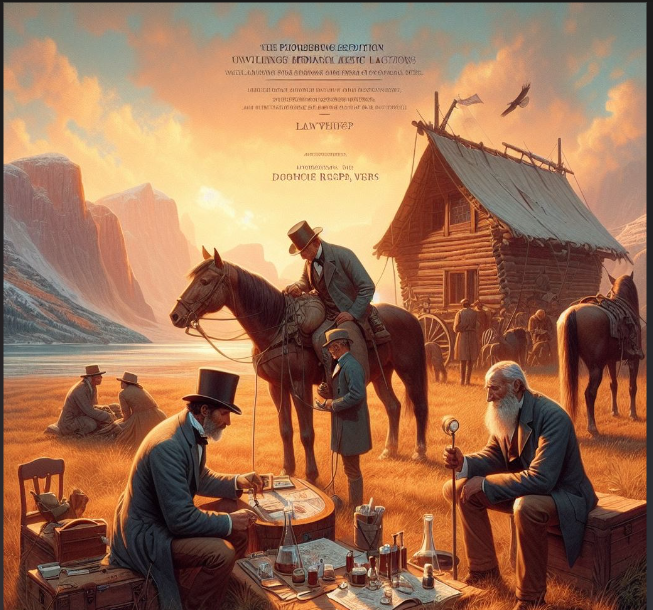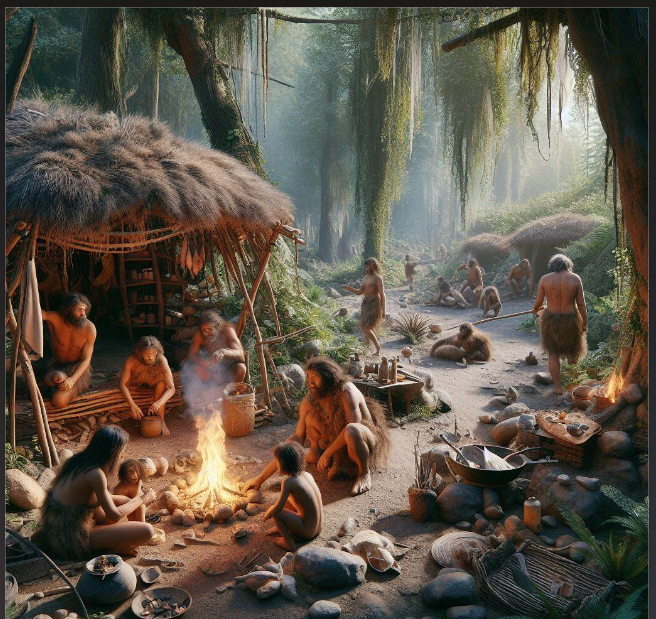
Tents, an ancient invention tracing back to the dawn of humanity, have played a pivotal role in human civilization. The historical perspective of tents unveils a fascinating evolution from basic survival structures to modern recreational marvels.
Primitive Origins:
Tents find their roots in the Upper Paleolithic era, with the oldest verified tent, dating back to about 40,000 B.C., discovered in Russia. Early tents, constructed from hide, leather, wooden supports, ropes, and stakes, served as essential shelters for survival. Initially homes for nomadic peoples, tents gradually yielded to permanent fixtures as agriculture allowed settlement. Yet, nomads and armies, from Roman soldiers to American Revolutionaries, continued relying on these portable shelters.
Prehistoric Marvels:
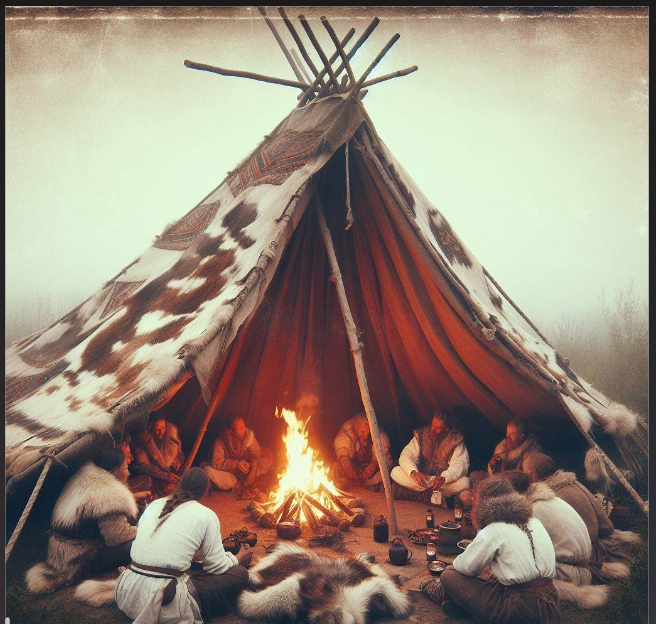
Archaeological evidence reveals sophisticated tents, such as mammoth skin dwellings in Eastern Europe, dating back 28,000 years. Various parts of mammoth skeletons formed structures, covered with mammoth skins and secured by rings of bones. Native Americans on the Northern Great Plains crafted portable fabric-covered shelters, introducing the iconic tipi, a conical dwelling made from animal skins and wooden poles. In Mongolia around 600 B.C., nomadic lifestyles led to the evolution of yurts, round dwellings with a lattice structure covered in animal fibers.

Military Influence:
Tents played a crucial role in military history, witnessing innovations driven by the need to keep soldiers healthy and mobile. Roman soldiers spread design innovations, using larger tents like ridge tents and marquee tents. During the American Revolution, hemp-made tents were crucial for early American soldiers, contributing to guerrilla warfare tactics. Tents remained pivotal in the Civil War, with generals meeting in large marquees while soldiers used small “pup tents.”
Industrial Revolution and Recreational Tents:
The 20th century witnessed a paradigm shift with the Industrial Revolution affording Americans more time and resources. Recreational tents emerged, sparking significant changes in materials and designs. Rigid wooden support poles were replaced by steel and plastic, and flexible support poles gained favor. Nylon’s introduction enhanced weather resistance. The 1960s saw tent camping surge in popularity, accompanied by lightweight poles made of fiberglass or aluminum alloys, allowing for diverse tent shapes like tunnel tents, geodesic tents, and pop-up tents. Zippered doors replaced traditional flaps.
Modern Recreational Tents:
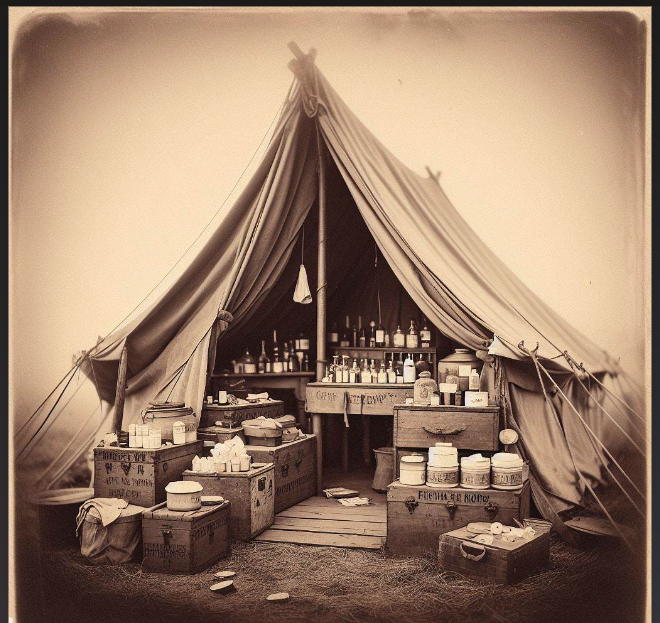
Manufacturers like the Eureka! Tent Company played a vital role in popularizing recreational tents. Materials evolved significantly, with steel and plastic replacing wooden support poles. Flexible support poles became common, and newer tents boasted quick setup times. Innovations introduced tunnel tents for increased space, inflatable tents with easy transport, geodesic tents for extreme conditions, and pop-up tents for instant setup.


Nature Connection and Simplicity:
Despite technological advancements, the fundamental role of tents remained unchanged. Tents shifted from being dwellings and protective structures to tools that allow individuals to experience nature and regain a natural connection. The modern tent, in contrast to its primitive counterparts, encourages outdoor exploration by providing a sanctuary in the cold, crisp night air, away from modern distractions.

Conclusion:
Tents have indeed come a long way, evolving from basic survival structures to sophisticated recreational marvels. While equipped with modern technologies, they retain a fundamental simplicity that fulfills the basic human need for shelter and connection with nature. The journey of tents through history reflects not only technological progress but also the timeless desire to share the same experiences as our ancestors who drove in the stakes of the first tent countless ages ago.