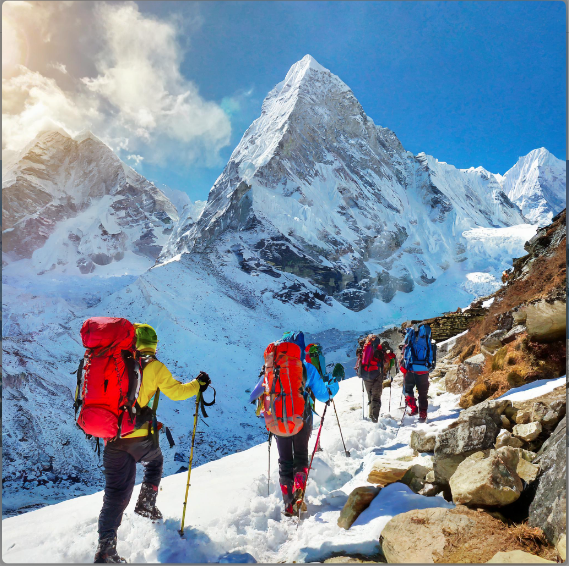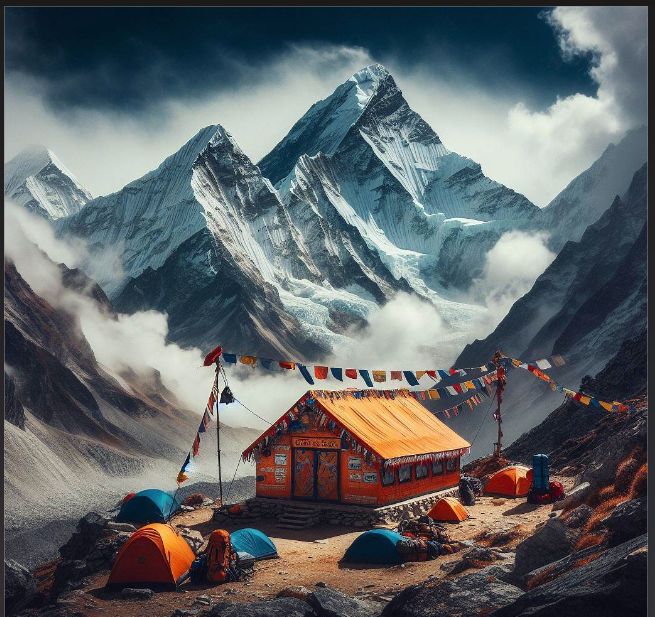
Are you contemplating embarking on a journey to Everest Base Camp? This expedition is a once-in-a-lifetime experience for many, offering both challenges and unforgettable moments. Standing at the base of the Himalayas is truly awe-inspiring, with Everest towering above against a vast, blue sky. In that moment, you realize you’ve traced the footsteps of legends to one of the seven natural wonders of the world.
The trek to Everest Base Camp is a blend of beauty and culture. Roaming through villages adorned with prayer flags, immersing yourself in Nepalese culture, witnessing the famous Khumbu Ice Fall, and finally reaching the base of Mount Everest – it’s an extraordinary adventure.
Our local Everest Base Camp team, having trekked thousands of times, has compiled essential tips to streamline your planning process, save time and money, and ensure a smoother, more enjoyable trek.
Everest Base Camp Trek Highlights:
- Location: NEPAL
- Duration: 14 Days
- Cost: $1,699
34 Tips for Your Everest Base Camp Trek:
1. Budget Accordingly: Trekking in the Everest Region is relatively affordable, with a recommended budget of $3,000-$4,250 per person, covering roundtrip airfare, trekking team, accommodations, travel insurance, and extra expenditures.
2. Know What to Expect from All-Inclusive Packages: Opting for all-inclusive packages ensures a hassle-free experience, including accommodation in Kathmandu, roundtrip airfare, tea house accommodations, meals, airport transfers, trekking permits, guides, and porters.
3. Choose a Reputable Trekking Company: Selecting a reliable trekking company is crucial, especially considering unpredictable weather and altitude challenges. Local companies often handle delays more efficiently and are experienced in acclimatization strategies.
4. Choose a Trek Through Phortse: Consider the less-traveled route through Phortse to Everest Base Camp, avoiding crowds and enjoying unique scenery. You’ll still experience Tengboche on the descent for a cultural touch.
5. Pick the Best Trekking Season: September to November and March to May are optimal trekking seasons. Avoid June to August due to monsoons, and December through February is cold but less crowded.
6. Train Ahead of Time: Prepare physically for the strenuous trek by engaging in practice hikes, light strength training, and walking on an incline.
7. Break in Your Hiking Shoes: Ensure comfortable trekking by breaking in your hiking shoes beforehand to prevent blisters and discomfort.
8. Prepare your Gear: Select and break in essential gear, including hiking boots, daypack, and base layers. Some gear can be purchased inexpensively in Kathmandu.
9. Plan Extra Days at the End (Not Beginning): Allocate extra days at the end of your trek to account for potential flight delays from Lukla to Kathmandu.
10. Know Your Luggage Limits: Adhere to weight limits for main and carry-on packs due to strict regulations on flights from Kathmandu to Lukla.
11. Prepare for Flight Delays: Anticipate flight delays due to unpredictable Himalayan weather and potential disorganization in communications.
12. Understand the Ramecchap Flight Diversion: Be aware of flights being diverted to Ramecchap instead of Kathmandu, and plan accordingly with your trekking company.
13. Enjoy Your Guides: Trekk with a local company for a personalized experience, gaining insights into Nepalese culture and customs from your guide.
14. Purify Your Water: Ensure safe water consumption by carrying a water filtration system and purification tablets due to variable water quality.
15. Shower Early: Opt for early showers as water for showers is solar-heated, providing a better chance of hot water.
16. Bring Cash: Carry cash for occasional purchases, as ATMs along the trek may be unreliable. Shops in villages accept cash for snacks and essentials.
17. Stay Hydrated: Maintain hydration on the trail to combat the effects of high altitude, even if you’re not inclined to drink water regularly.
18. Bring a Thermos and Tea: Carry a thermos for hot tea, offering warmth and hydration during the trek.
19. Set Bathroom Expectations: Prepare for basic and possibly less-than-ideal bathroom facilities, and bring necessary toiletries.
20. Bring Earplugs: Ensure a good night’s sleep by using earplugs, especially if you’re a light sleeper, as tea house walls are thin.
21. Avoid Ordering Meat on the Mountain: Opt for vegetarian options to avoid potential freshness issues with meat flown into Lukla.
22. Bring Lots of Snacks: Pack ample snacks for sustained energy during the trek, combining protein and carbs.
23. Bring a Treat: Include some favorite treats for moments of indulgence and morale-boosting during the trek.
24. Be Open With Your Guides About How You’re Feeling: Communicate openly with your guide about your well-being, especially if you experience symptoms of altitude sickness.
25. Know Your Headaches: Monitor headaches, as they can indicate altitude-related issues. Report any persistent headaches to your guide for assessment.
26. Eat Enough at Each Meal: Consume sufficient meals to maintain energy levels during the trek, and consider ordering Dal Bhatt for an all-you-can-eat option.
27. Don’t Carry Too Much: Pack essentials in your daypack and let porters carry the bulk to enhance your trekking experience.
28. Use Sun Protection: Apply sun protection at high altitudes to counteract reduced atmospheric shielding from UV rays. Use sunscreen, sunglasses, and a brimmed hat.
29. Take Care With Batteries: Extend battery life by keeping devices close to your body, especially at cold temperatures. Be mindful of expensive charging fees at tea houses.
30. Brush up on Your Card Games: Bring card games for entertainment at tea houses, as modern entertainment may be scarce. Enjoy playing with fellow trekkers.
31. Trek Slowly & Steadily: Adopt a deliberate pace for optimal acclimatization, even if you’re accustomed to faster hiking elsewhere. Enjoy the views and prioritize your well-being.
32. Add on Gokyo Lakes if You Have Time: If possible, extend your trek to include Gokyo Lakes for a serene experience in the hidden valley of the Khumbu region.
33. Bring a Camera: Capture the moments and stunning views with a camera to document your Everest Base Camp achievement.
Embark on this adventure fully prepared, and savor the unique experiences and breathtaking landscapes along the Everest Base Camp trek.