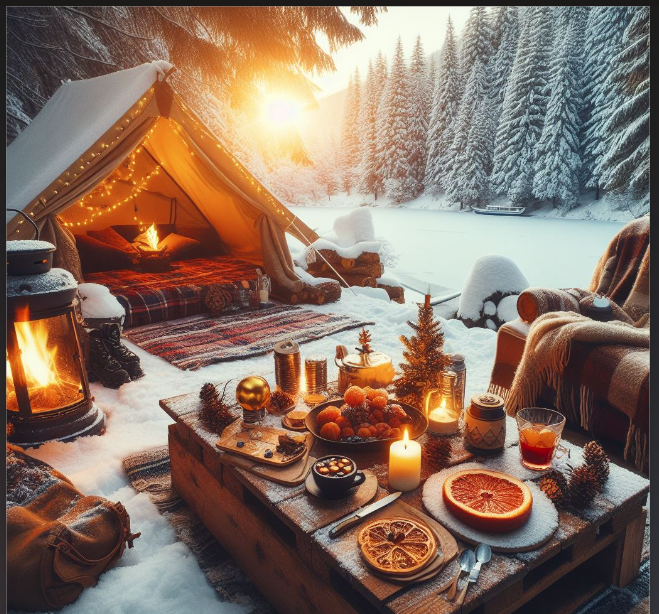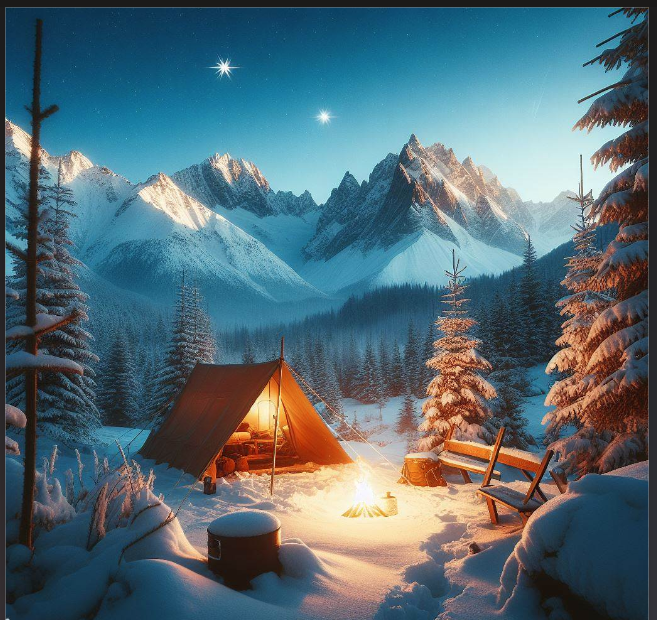
Winter camping is a unique adventure that offers the opportunity to create lasting memories in a serene snowy landscape. Whether you enjoy snowshoeing, building camps, or gathering with friends over steaming food, the experience is both challenging and rewarding. While winter camping may seem daunting, with the right gear and preparation, it becomes surprisingly comfortable. This comprehensive guide provides tips and insights to inspire you to embark on your own winter camping journey.
- Watch the Forecast: Before heading out, closely monitor the weather forecast. Clear skies or light snow over several days are ideal conditions. Understand the limits of your gear and plan accordingly. Sub-freezing temperatures can be enjoyable with the right equipment, but it’s crucial to assess whether the conditions are suitable for a safe winter camping experience.
- Keep Trips Short & Sweet: Winter camping demands more energy due to the snow, so keep daily mileage goals short. This ensures you have enough energy to set up camp upon arrival. Newcomers to winter camping should start with one or two-night trips to manage damp clothing and gear effectively.
- Learn to Thermoregulate: Master the art of thermoregulation to stay comfortable. Wear performance clothing made of quick-drying materials like synthetics and wool. Layering allows you to adjust your temperature easily. Be mindful of overheating while active and add or remove layers accordingly. Sipping hot drinks is an effective way to raise your body temperature.
- Know the Signs of Hypothermia: Stay vigilant for signs of hypothermia, such as uncontrollable shivering, loss of coordination, or changes in personality. Immediate action, like changing into dry clothes and warming up in a sleeping bag, is essential if hypothermia is suspected.
- Check Temperature Ratings on Gear: Ensure your sleeping pad and sleeping bag have adequate temperature ratings for winter camping. Understanding the EN or ISO ratings helps in choosing gear suitable for cold conditions. The right combination of sleeping bag and pad, like the REI Magma 15 with Therm-a-Rest XTherm, enhances warmth.
- Boost Sleep System Warmth: Wear a down jacket with a hood inside your sleeping bag for added warmth. Down booties are a game-changer for keeping your feet warm at night. Consider using a foam pad, like the NEMO Switchback, along with an air pad for extra insulation.
- Insulate Yourself from the Snow: Use a lightweight closed-cell foam sleeping pad when outside your tent to avoid direct contact with snow and prevent heat loss. This pad can also serve as a comfortable seat or kneeling pad.
- Use a 4-Season Tent: Invest in a durable 4-season tent with stout poles and thicker fabric for winter camping. While 4-season tents may be heavier and less breathable, they provide superior durability and protection. Recommended options include the Mountain Hardwear Outpost 2 and Trango 2.
- Prevent Important Stuff from Freezing: Keep essentials like drinking water, wet clothing, and electronics from freezing by storing them close to your body. Utilize inner jacket pockets or hats during the day and insulated water bottles for overnight storage.
- Know Avalanche Safety Basics: Understand the basics of avalanche safety, especially if your route traverses steep terrain. Carry an ice axe and know how to self-arrest if needed. Avalanche-prone areas require heightened awareness.
- Take a Shovel: A lightweight snow shovel is indispensable for winter camping. It serves multiple purposes, including avalanche safety, leveling tent sites, building snow shelters, and creating a communal hangout area.
- Wear Sunscreen & Sunglasses: Protect your skin and eyes from the intense winter sun with high-SPF sunscreen and quality sunglasses. The sun’s reflection off snow can cause sunburns and eye injuries.
- Eat, Drink & Be Merry: Maintain warmth by staying hydrated and well-fed. Consume high-calorie snacks and warm beverages throughout the day. Insulated water bottles and stoves with reliable performance in the snow are essential.
- The Hot Water Bottle Trick: Use a plastic water bottle with a screw-top lid, like a Nalgene, as a makeshift space heater in your sleeping bag. This trick provides extra warmth during cold nights.
- Have a Good Attitude: A positive outlook and a sense of humor are invaluable during winter camping. Embrace challenges and stay upbeat by adjusting clothing, staying active, and enjoying the camaraderie of your campmates.
Winter Camping Gear Recommendations: Explore our Winter Camping Checklist for expert recommendations on 4-season tents, sleeping bags, sleeping pads, stoves, clothing, and more. Quality gear is essential for a successful and comfortable winter camping experience.
Conclusion: Winter camping offers a unique blend of challenges and rewards, making it a memorable adventure for outdoor enthusiasts. By following these comprehensive tips and utilizing the recommended gear, you’ll be well-prepared to embrace the chill and create lasting memories in the winter wilderness. Stay safe, stay warm, and enjoy the magic of winter camping!