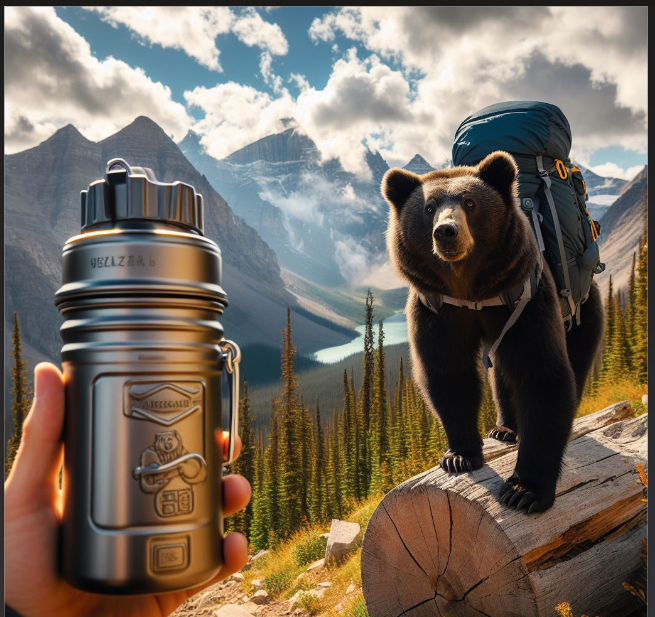
When it comes to bear encounters, opinions vary among outdoor enthusiasts. Some are fearful due to sensationalized stories of bear attacks, while others eagerly hope for a glimpse of these majestic creatures. In the realm of wilderness trips, particularly in places like Colorado and the Sierras, bear safety is paramount. This article aims to shed light on the importance of bear safety protocols and, more specifically, the choice between bear cans and bear bags for food storage.
Bear Bags vs. Bear Cans:
While bear bags, such as the Ursack Major and Ursack AllMitey, are gaining popularity, their acceptance is not universal. Yosemite and Bryce Canyon, for instance, do not permit their use, raising questions about their effectiveness. The author recounts a personal experience where a bear easily carried away an Ursack, highlighting concerns about their design. This leads to the assertion that bear cans, with their slippery and carry-resistant design, are likely to remain a staple in bear safety practices.
How to Pick the Best Bear Canister:
To aid readers in choosing the best bear canister, the article provides a detailed comparison of IGBC-approved models and Yosemite’s list of approved bear canisters. The five approved brands—Garcia Machine, BearVault, Bare Boxer, Lighter1, and UDAP—are analyzed based on volume, price, weight, clarity, ease of opening, and additional features. The article concludes that the BearVault, known for its clear blue polycarbonate and lighter weight, stands out as the preferred choice for the author.
Factors to Consider When Choosing a Bear Canister:
Volume emerges as a crucial factor, with a reminder that all smellables must fit inside. The article provides insights into the volume needed for a specific duration, emphasizing the importance of planning for the first day’s food separately. Additionally, practical tips for maximizing space and weight, such as repackaging and consolidating food items, are shared. The significance of consulting the backcountry office for nuanced details on bear activity and regulations is emphasized.
Guidance for Wildland Trekking Trips:
For those embarking on Wildland Trekking trips in bear country, the article assures readers that BV500 bear cans will be provided. Guides take pride in meticulous meal planning, reflective insulation for cold storage, and labeling for easy identification. The article highlights the commitment of Wildland guides to ensuring a positive food experience for guests, recognizing the challenges of bear canisters as a heavy burden.
Conclusion:
In the wilderness, bear safety is a shared responsibility. This comprehensive guide navigates the nuances of bear canisters, emphasizing the importance of adherence to safety protocols. Whether choosing the right canister or preparing for a guided trek, this article provides valuable insights for outdoor enthusiasts venturing into bear country.