When embarking on a backpacking or hiking adventure, one of the crucial considerations is ensuring an adequate supply of water. While carrying all the water you need for an entire trip may seem ideal, it becomes impractical on longer journeys due to the weight. This guide aims to provide insights into managing water effectively, including determining the required amount, choosing natural water sources, selecting water filters, and addressing potential water shortages.
How Much Water Do I Need Hiking?
Determining the right amount of water to carry depends on various factors, such as the duration, intensity, and environmental conditions of your hike. As a general guideline, aim for approximately one liter per two hours of moderate hiking (0.5 liters per hour). For longer hikes exceeding six hours, consider carrying 2-3 liters of water and a water filtration system for refilling on the trail.
Carrying Water
Carrying all the water needed for an entire backpacking trip is often impractical due to its weight. Instead, hikers can resupply along the trail, primarily by utilizing natural water sources. Streams, rivers, and creeks are ideal, but it’s essential to exercise caution and have a reliable water filter to ensure safe consumption.
Choosing Natural Water Sources
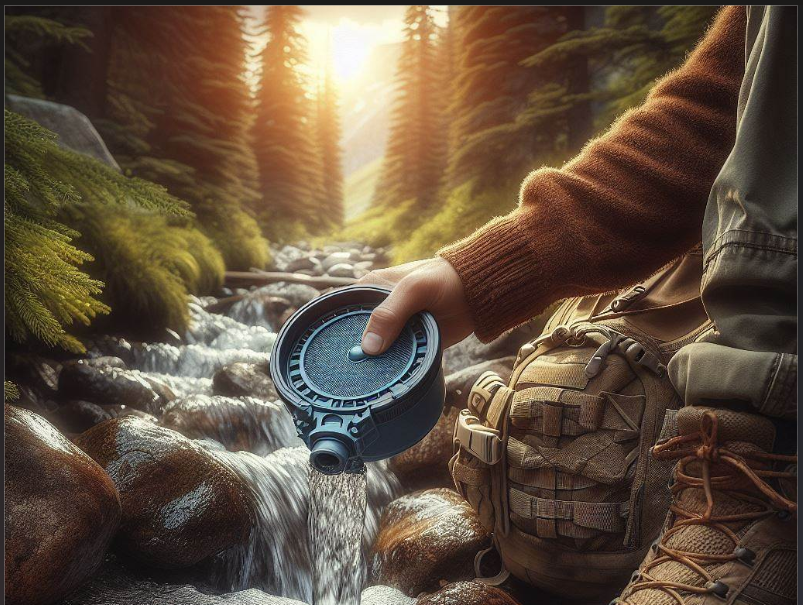
When selecting natural water sources, consider factors such as flowing water to minimize the risk of contamination, high elevation springs for cleaner water, and clear appearance without visible debris. Avoid collecting water downstream from human activities and prioritize sources with natural filtration through sand or gravel.
Choosing a Water Filter
Hiking water filters are indispensable tools for removing impurities, contaminants, and pathogens from natural water sources. They come in various types, including pump, squeeze bottle, and gravity filters. Key considerations when choosing a filter include the filtration mechanism, type of filter, and microfiltration capabilities. Additionally, some filters may use chemical treatments for added protection.
How Much Water Do I Actually Need?
The amount of water required while hiking varies based on environmental conditions, the intensity and duration of the hike, individual factors, and clothing and gear. A general guideline is to aim for around a liter of water per two hours of moderate activity, with adjustments for specific conditions and individual needs. Always carry more water than anticipated, especially in challenging environments.
How Should I Carry My Water?
Having at least two ways to carry water is essential for redundancy. Consider a combination of hard water bottles, collapsible water bottles, and hydration bladders. Each type has its pros and cons, such as weight, sturdiness, size, ease of use, and ease of cleaning. Hydration bladders are excellent for hands-free hydration and even weight distribution.
What If I Didn’t Bring Enough Water?
Dehydration can be dangerous, so it’s crucial to recognize the signs, including dry mouth, dark-colored urine, fatigue, dizziness, and confusion. If faced with a water shortage, assess the severity of the situation, look for emergency water sources, and consider using a GPS or paper maps to locate nearby lakes, rivers, or ponds. If dehydration is severe and water cannot be found quickly, utilize emergency equipment like personal locator beacons or call for help.
In conclusion, effective water management is a skill every backpacker should master. By understanding the factors influencing water needs, choosing the right water sources, utilizing reliable filters, and having versatile water-carrying methods, hikers can ensure a safe and enjoyable journey, even in challenging conditions. Always prioritize hydration, stay vigilant for signs of dehydration, and be prepared for unforeseen circumstances to make the most of your backpacking experience.