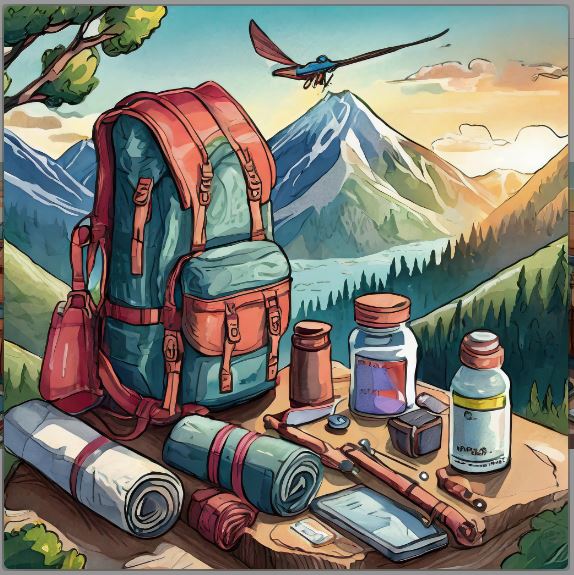
Ultralight backpackers are advised to prioritize water preparedness by not relying solely on the Smartwater bottle and Sawyer filter combo, as it may prove insufficient for unexpected dry camping situations. Carrying a lightweight Platypus bladder with 3 or 4 liters of capacity is recommended to ensure readiness even in water-abundant environments. The importance of bug protection is emphasized for those opting for tarp shelters, as overlooking bug netting can lead to discomfort, especially in mosquito-prone areas near water. Selecting an appropriate sleeping bag is crucial.
Striving for a lighter backpack is a commendable goal, but moderation is key.
- Extra Hydration Bladder (HydraPak Seeker 2L): The Smartwater bottle and Sawyer filter combo may seem sufficient for ultralighters, but underestimating water needs can lead to discomfort. Carrying 3 or 4 liters of capacity, even when water is abundant, ensures preparedness for unexpected dry camping situations. A lightweight Platypus bladder, though often empty, remains a staple in my pack.
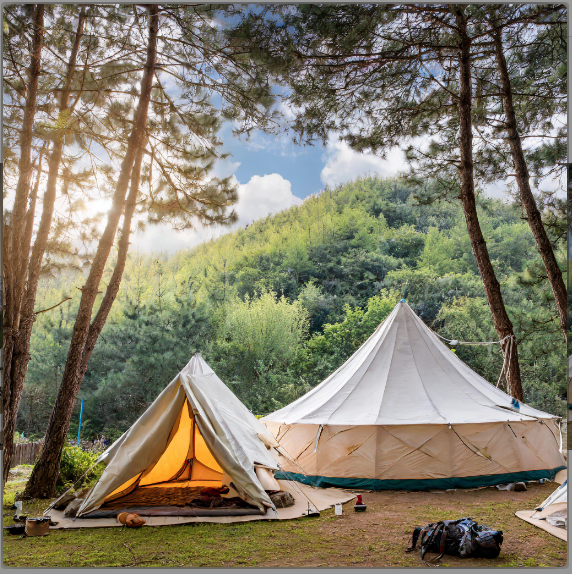
- Bug Netting (Six Moon Design’s Serenity Ultralight NetTent): Opting for a tarp shelter to minimize weight is a common choice among ultralighters, but overlooking bug protection can turn scenic campsites into regrettable choices. Mosquitoes, especially in attractive locations near water, can disrupt sleep. Whether through a tent, tarp and net tent combo, or a simple head net, adequate bug protection is essential for a comfortable night outdoors.
- Sleeping Bag (EMS Anomaly Ultralight 30-Degree Backpacking Quilt): While reducing pack weight in warm conditions is crucial, sacrificing a proper sleeping bag can lead to discomfort and sleepless nights. Lightweight options like quilts or summer bags are excellent choices, but veering too thin, such as using a bag liner, can leave you shivering unexpectedly. Balancing weight savings with temperature-appropriate gear is vital for a restful night’s sleep.
- Emergency Communication (Garmin inReach Explore+): Satellite messengers, despite being a relatively recent addition to gear lists, are now considered indispensable. In regions prone to wildfires, floods, or other emergencies, these devices provide a lifeline. While some may worry about the intrusion on solitude, the option to turn them off ensures you can enjoy the wilderness while having a crucial communication lifeline when needed.
- Caffeine (if you use it) : Carrying coffee-making gear might seem counterintuitive for ultralight enthusiasts, but the pleasure of a morning cup in the backcountry is unmatched. Despite the challenges of brewing quality coffee in the wilderness, the experience enhances the trip for many. While some might contemplate leaving caffeine behind, it’s a small indulgence that can add immeasurable enjoyment to the outdoor experience.